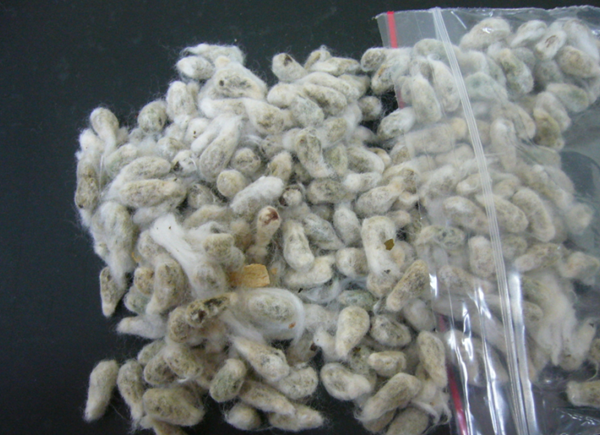
Council of Agriculture: Of the 1,380 tons of cottonseed imported this year, most was for fertilizer; no refining into cottonseed oil has been detected
The Council of Agriculture stated that from the start of this year (2013, the 102nd year of the Republic of China) through the end of October, a total of 5 companies imported 1,380 metric tons of cottonseed. Among these, the cottonseed imported by 3 feed mills and 1 importer was used as feed for ruminant animals, and none has been found to be diverted for use in refining cottonseed oil; for the other 1 company, aside from a small amount resold to feed mills for use as ruminant animal feed, most was crushed and pressed for use as fertilizer, and there was no oil-refining equipment or oil storage tank at the site, and no oil products were refined, so it was preliminarily determined that none had been diverted.
Imported Cottonseed Used as Ruminant Animal Feed
To track the flow of imported cottonseed, on the morning of today (the 5th) the Council of Agriculture, together with the Ministry of Health and Welfare, county and city governments, and relevant feed experts, went to each company to inspect the use of cottonseed imported since 2011 (the 100th year of the Republic of China). The results showed that each feed mill added cottonseed at a ratio of 2-7% to cattle and sheep feed. After on-site cross-checking of each mill's production records from the date of import to the present and other data, and comparing each feed mill's daily capacity, annual and monthly ruminant feed output, the quantity of each batch of imported cottonseed, inventory levels and addition ratios, as well as the data on cottonseed imported for fertilizer use and the quantity of finished products produced, no diversion was found either. (In addition, 1 batch of 60 kg and 1 batch of 45 kg imported in 2011 and 2012 respectively were used as a combustion-supporting material in fireworks and for ornamental crop seedlings.)
The Council of Agriculture pointed out that whole cottonseed (Whole Cottonseed) is a byproduct of cotton processing, and when used as feed for lactating cows it can increase milk production and its fat content. The council stated that although cottonseed contains gossypol, adding an appropriate amount to the feed of ruminant lactating cattle and sheep will not cause residues or harm, and the cotton lint fibers on the whole cottonseed hull will reduce the palatability for these animals; when feed mixed with whole cottonseed raw material is fed in excess, the animals will voluntarily reduce their intake. The generally recommended amount is 8-12% of the dry matter of the complete diet.
Another report pointed out that even when cottonseed is added at up to 13.5% of the dry matter of the complete diet, no excessive gossypol is transferred into cow's milk. Therefore, the feed produced by the aforementioned feed mills with added cottonseed, when fed to cattle and sheep, will not affect animal health or leave residues in livestock and poultry products, nor will it harm consumers.
The Council of Agriculture Will Add Import Inspection Regulations for Cottonseed
The Council of Agriculture stated that Taiwan, China's cottonseed imports and usage are low, and the assessed risk is not high, so it was not included in random inspection items. However, to dispel public concerns, the council will as soon as possible add import inspection regulations for cottonseed, strengthening source management from the border to ensure the quality and safety of cottonseed and feed.