How to Solve the Agricultural Labor Shortage? The Council of Agriculture and the Ministry of Labor Are Negotiating to Open Up Holiday Work for Foreign Workers
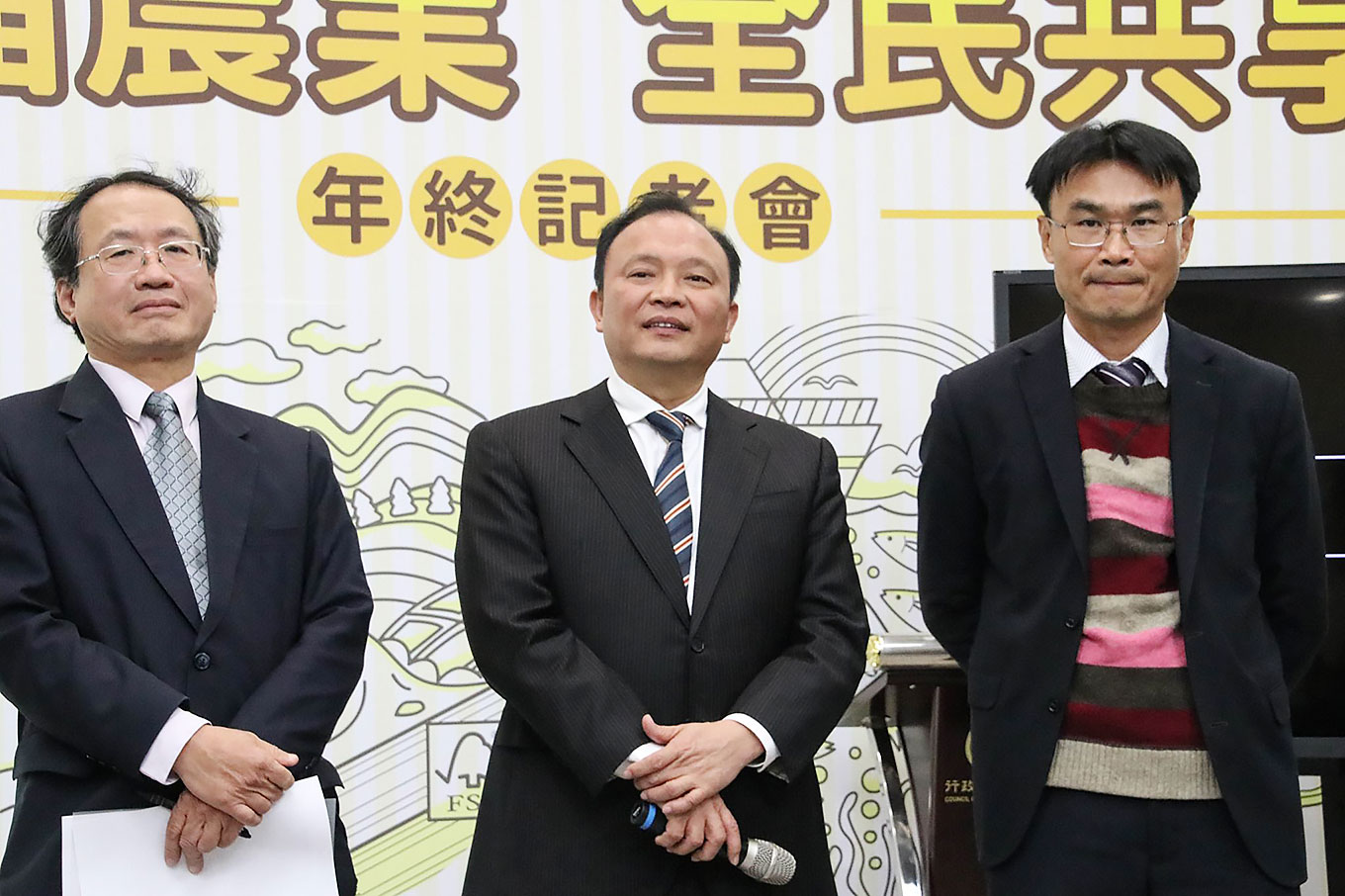
Facing farmers' repeated reports of labor shortages that are affecting production, Council of Agriculture (COA) Minister Lin Tsung-hsien stressed today that solving the labor shortage will begin with filling existing gaps in manpower. The key policy this year is to expand the staffing of the existing Agricultural Technology Team, Agricultural Service Team, and Agricultural Cultivation Team from the current 800 people to 2,000 at one stroke; as for opening up foreign workers for holiday part-time work, consultations with the Ministry of Labor have already begun, and if a breakthrough can be made in the regulations, a demonstration will be carried out in specific counties and cities, in the hope of resolving the frontline manpower shortage as quickly as possible.
Lin Tsung-hsien: At this stage, the focus is on encouraging new farmers and professionals to join
Whether to open up agricultural foreign labor has always been debated endlessly by outsiders, and the recent opening of holiday part-time work has become the focus of discussion. In response, Lin Tsung-hsien stressed that to solve the labor shortage, opening up foreign labor to enter agriculture is a last resort, so at this stage the focus is still on allocating existing manpower and encouraging more new farmers and professionals to join.
COA Deputy Minister Chen Chi-chung further explained that to fill the manpower gap, in recent years the "Agricultural Technology Team" with professional skills and the "Agricultural Service Team" specifically for filling manpower vacancies have been successively established. According to last year's statistics, 37 manpower teams supplied a total of 842 agricultural workers, serving cumulatively 46,000 person-times and 4,000 farms, so it cannot be said that they have made no contribution to the labor shortage.
In addition, Chen also pointed out that in order to use automation to raise production efficiency, this year it is expected that agricultural mechanization equipment will also be introduced, establishing a "Mechanical Cultivation Team" with a quota of 160 people, assisting production through machinery, so that one person can save ten people's manpower. Summarizing the above planning of agricultural manpower teams, Chu Chien-wei, Director of the COA's Extension Division, said that this year's goal is to directly increase recruitment of the original 800 strong workers to 2,000 people, which will not only solve the labor shortage but also serve as local employment opportunities.
In addition to the above measures, the COA also added that it will encourage 18,000 international students across Taiwan to work part-time on farms, and this year it is estimated that 500 person-times can enter farms, in the hope of effectively alleviating the production difficulties.

Opening up holiday part-time work, currently under consultation with the Ministry of Labor
As for the issue of fully opening up agricultural foreign labor that outsiders are concerned about, Chen Chi-chung responded that this involves Article 43 of the Employment Service Act: "Foreigners may not work within the territory without the employer's application for permission," so it will not be the best solution to the labor shortage. Given the existing reality, the COA has narrowed the scope to foreign workers already in Taiwan, and has consulted with the Ministry of Labor multiple times on "opening up holiday part-time work," but because the recognition of working hours and confirmation of foreign workers' status all involve many regulatory restrictions, there will still be much discussion on the details.
And will opening up foreign workers for part-time work on holidays formally launch this year? The COA did not give way, and Lin Tsung-hsien only said that through cross-ministerial special project coordination, if a way can be found in the future to comply with the regulations, a trial will first be carried out in specific counties and cities, and after evaluating the results, it will be considered further; at this stage, the main approach is still to use existing domestic manpower.