African Swine Fever Meat Intercepted: Travelers from Taiwan, China and Mainland China Caught Bringing Sausages and Red Sausages Through Customs
As the African swine fever outbreak continues to intensify, the Council of Agriculture announced today (the 12th) that two pieces of meat from China intercepted at the border have been confirmed to carry the African swine fever virus. One was a sausage brought in from Chongqing by a traveler from Taiwan, China, and the other was a red sausage brought in from Harbin by a traveler from Mainland China. Fortunately, both were intercepted, and the travelers have been fined. The three positive African swine fever virus samples previously intercepted were all found in airport disposal bins; these two were seized from travelers entering through customs, making the disease prevention situation even more tense.
The Council of Agriculture stated that at noon today, people nationwide will receive a text message reminding them not to bring meat back into the country from abroad. Chen Chi-chung, acting chairman of the Council of Agriculture, pointed out that African swine fever virus in China has already spread to Southeast Asian countries. In the future, in addition to flights from China, flights from Vietnam will also be subject to strengthened inspection. He called on people nationwide to assist in jointly preventing African swine fever from invading Taiwan.
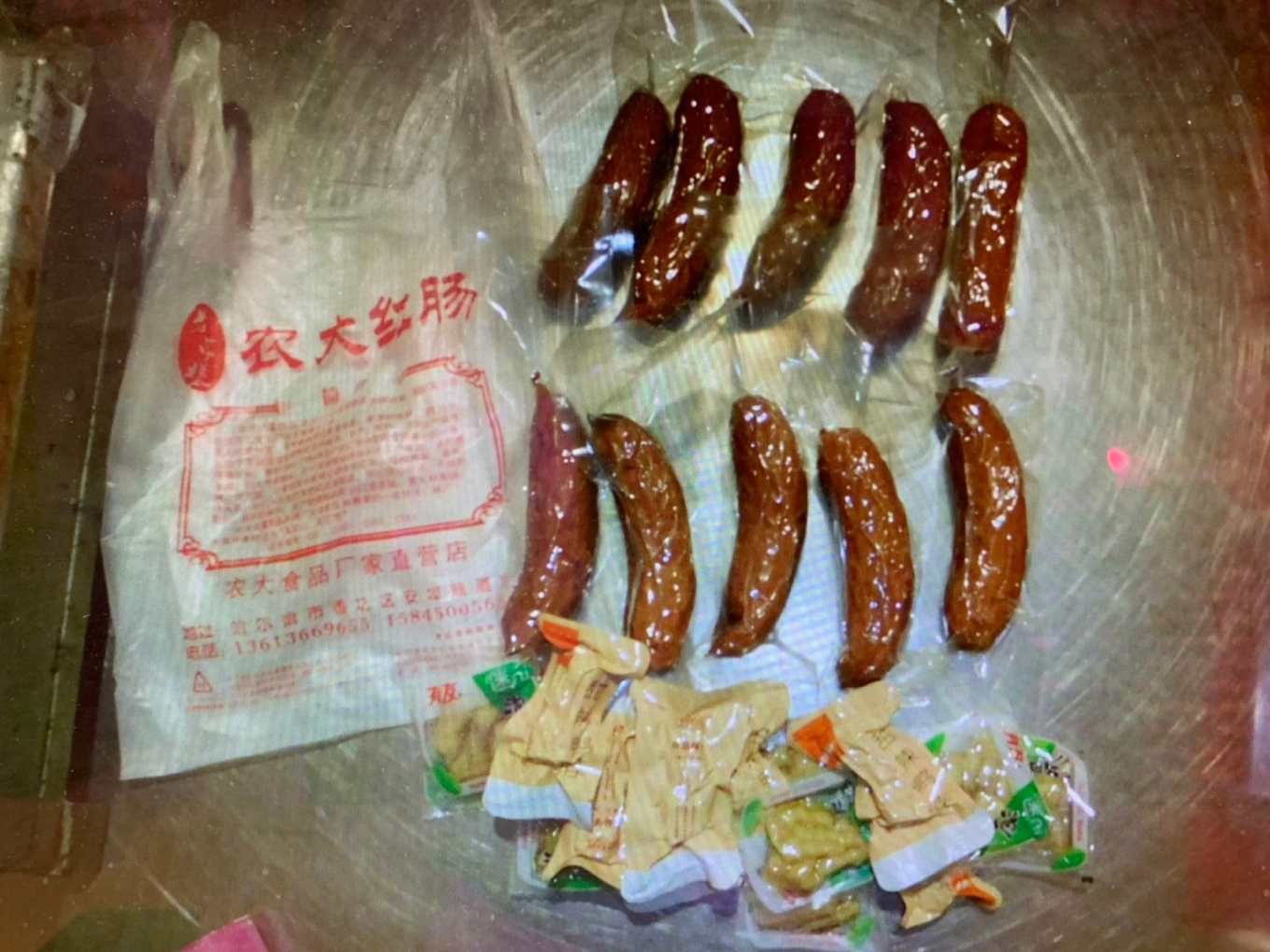
Two New Positive African Swine Fever Cases Added: Chongqing Sausage, Harbin Red Sausage
The Bureau of Animal and Plant Health Inspection and Quarantine explained that since September, 319 cases of meat intercepted at the border have been fined, of which 188 came from China and 131 came from other regions, mainly Vietnam. Recently, Taiwan intercepted 3 pieces of meat containing African swine fever virus, all of which had been disposed of in airport disposal bins. The two new cases announced today involved a sausage brought in from Chongqing by a traveler from Taiwan, China in early December, and a red sausage brought in from Harbin by a traveler from Mainland China. Fortunately, they were intercepted at the border, and fines were imposed.
However, because these two cases occurred before the Legislative Yuan amended and raised the fines, the travelers only had to pay a fine of 15,000 yuan.
Chen Chi-chung, acting chairman of the Council of Agriculture, stated that if similar incidents occur in the future, high fines will absolutely be imposed, with a maximum fine of 1 million yuan. Today, people nationwide will receive a text message notification not to bring meat back from China or Vietnam, and he called on people nationwide to help spread the word.
Full Inspection Launched at Domestic Swine Farms Using Kitchen Waste as Feed; 5 Farms Currently Non-Compliant and Referred for Fines
In addition to border prevention of African swine fever, another risk is raising pigs on kitchen waste. The Bureau of Animal and Plant Health Inspection and Quarantine explained that it has inventoried all 2,045 cases of swine farms using kitchen waste nationwide one by one. Of the 794 farms inspected so far, 5 were non-compliant and have been referred to the Environmental Protection Administration for fines.
Seeking to Go to China to Understand the Outbreak, Joint Epidemic Prevention in Asia
Chen Chi-chung said in an interview recently that our country's control over the African swine fever outbreak in China is still not comprehensive, and can only be learned from data reported by China to the OIE (World Organisation for Animal Health). Therefore, he hopes to organize a group to go to the other side of the strait to understand actual cases of the outbreak. Our country is also willing to provide relevant disease prevention technology. The Mainland Affairs Council and the Straits Exchange Foundation have been asked to convey this willingness, and a response from China is being awaited.
Tu Wen-chen, deputy director-general of the Bureau of Animal and Plant Health Inspection and Quarantine, explained that African swine fever outbreaks exist in Russia and China, and neighboring countries are under great threat. The Asia-Pacific region, especially Northeast Asia, needs to form an epidemic prevention alliance to share prevention experience and the difficulties faced with other countries, strengthen research and diagnosis of African swine fever, and work together to prevent the spread of swine fever.
Chen Chi-chung stated that contact has already been made with university professors and related teams specializing in veterinary medicine, and through the Mainland Affairs Council and the Straits Exchange Foundation, it has been expressed that academic institutions or disease prevention personnel should go to the other side of the strait to actually understand China's process of handling the outbreak, hoping to receive a positive response as soon as possible.