How does a small oil workshop differ from a large oil refinery? Let's start with the manufacturing process
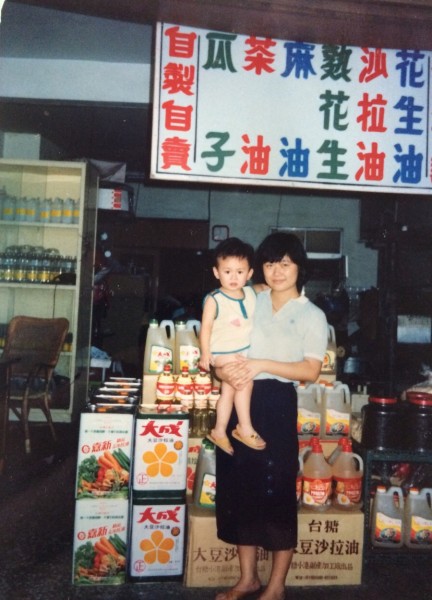
The author grew up in an oil workshop. Starting with his great-grandfather's generation (during the period of Japanese occupation), the family began helping farmers press oil. During summer and winter vacations as a child, he always had to help with the oil pressing at home; whether it was loading peanuts, driving customers home, or knocking out the oil cake (the product left after pressing oil), he had to pitch in. Because of this, he holds a very deep affection for this industry. In this article, the author looks at the differences between small oil workshops and large oil and fat factories from the perspective of the production process, so that readers can gain a clearer understanding.


How do large oil and fat factories refine oil?
From the Food and Drug Administration's inspection results dated 2014.10.31 for large oil and fat factories with capital of 30 million, readers should be able to understand how these oil and fat factories "refine oil." To distinguish this from the mechanical pressing method used in oil workshops, here we will collectively refer to the production process of these large oil and fat factories as the "chemical extraction method." The chemical extraction method is currently the standard process in the global oil and fat industry. It is currently the most efficient and economical method, and it can obtain up to 99% of the oil from oilseed crops. Its production process includes:
- Grinding the seeds or fruits into a porridge-like consistency.
- Heating at a temperature of 60-70°C.
- Adding light gasoline or n-hexane (an organic solvent) to dissolve out the oil.
- Finally, going through a refining process.
Through the reprocessing step of "refining," the composition of fatty acids is changed and fat-associated substances are removed. Refining includes the following procedures:
- Deacidification and deodorization: In order to make the aroma and taste of the oil consistent, make the oil liquid free of organic solvents, sterilize it, and eliminate free fatty acids. These oil liquids must be distilled at a high temperature of 240-280°C (high-temperature vacuum distillation). During the distillation process, unwanted odors are removed, including the original unique fragrance and chemical odors from subsequent processing.
- Degumming: Removing components from the plant, but at the same time also removing fat-associated substances, such as lecithin, which has nutritional value. Degumming can extend the shelf life of the oil product.
- Decolorization: Pigments valuable to the human body, such as carotene, chlorophyll, or other natural pigments (antioxidants), cannot be retained, because they would make the manufactured oil look different and taste different, so they must be removed through the decolorization step.
Conclusion
In Please Give Oil Workshops a Way to Survive, the author explained the impact suffered by oil workshop operators in this wave of food safety storms. Upstream and downstream reporter Lin Huizhen, in Oil Workshops Have No Factory Registration? Operators Hope to Be Recognized as Agricultural Facilities and Legalized On-Site, has already clearly explained the restrictions on oil workshop operators at the legal level. The author does not oppose government regulation; however, such regulation does not take into account the geographical and functional relationship of oil workshops to rural Taiwan. Simply using the standards of large oil and fat factories to impose requirements on these small-scale oil workshops is unfair and unreasonable. What the government should do is propose a set of guidance measures for these disadvantaged industries to help these oil workshop operators improve environmental protection, fire safety, sanitation, and other conditions, rather than eliminating them from Taiwanese society.
References
1. Lai Zihan, Jin Aner (1991). Food Processing Science. Taichung City: Fulin Publishing House.
2. Chen Junxu (2007). EatWrong, Of Course YouWill Get Sick. Taipei City: New Naturalism.
3. Chen Zhengzhi (2004). Remembering Folk Customs, the Disappearing Everyday Life Culture. Taiwan Provincial Government.
3. Ruth von Braunschweig (2009). The Complete Book of Vegetable Oils. Taipei City: Business Weekly.