Young entrepreneur makes eco-friendly tea, brewing a good cup of tea from a mountain that never withers
Yet when the market sees only high-mountain tea grown at ever-higher elevations and pursues a cultural imagination of tea taste, the connection between flavor and quality and the land gradually disappears. Behind the taste of a sip of tea, how can we coexist sustainably with nature?
"Food-Nourishing City, Humanities and Agricultural Innovation" has partnered with the "National Taiwan University Global Change Research Center" to plan a series of lectures related to "food safety." The last session is next Monday, when Professor Chang Sheng-lin of the National Taiwan University Graduate Institute of Building and Planning and the youth entrepreneurship team Big Table Environmental Integration (Sanpuku) will analyze and diagnose "Taiwan tea" and share the bittersweet tears and blood of putting "entrepreneurship" into practice as an ideal! Food-nourishing people inside and outside the campus who are interested are welcome to sign up and join.
▋Youth Entrepreneurship Environmentally Friendly Tea Action
- Speakers: Professor Chang Sheng-lin / National Taiwan University Graduate Institute of Building and Planning, Hsiao Ting-hsiung / Big Table team member
- Time: June 6, 2016 (Mon), 12:30-14:00 (meals begin at 12:00)
- Venue: National Taiwan University Global Change Research Center, Front Building, 2nd Floor, Room 202 Meeting Room (near the shore of NTU Drunken Moon Lake)
- Registration URL: http://ppt.cc/a4OrY (to help estimate the number of meals)
Tea leaves differ from grain crops that are necessities of daily life; they are a cash crop and even more a beverage of preference, yet they likewise must be planted and cared for by the land. However, when the market sees only high-mountain tea grown at ever-higher elevations and pursues a cultural imagination of tea taste, the connection between flavor and quality and the land gradually disappears. Behind the taste of a sip of tea, how can we coexist sustainably with nature? Teacher Chang Sheng-lin led the Big Table team to learn and explore together in the internship course of the Graduate Institute of Building and Planning, encouraging students to start from the century-old tea hometown of Pinglin and walk a path of independent critical thinking and courageous practice. From students' youthful reflection and brewing to the directly entrepreneurial and practical "Sanpuku" tea brand, the hope is to break away from the existing ways of understanding tea, return to the root of being friendly to the land and the wisdom of the spirit of craftsmanship, and let everyone rethink the core and essence of "Taiwan tea." The youth entrepreneurship environmentally friendly tea action is precisely about reshaping young people's tea-drinking culture, the taste and habits of tea appreciation, to rebuild a sustainable future for Taiwan tea.
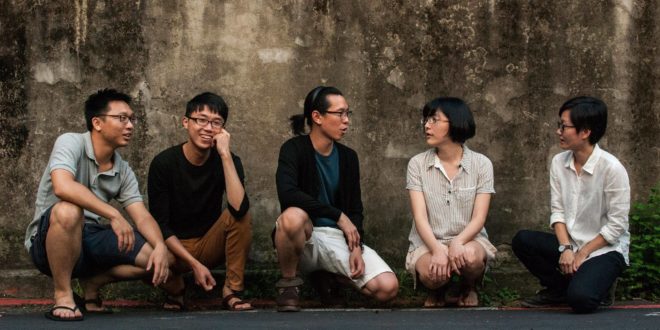
Speaker introductions:
►Chang Sheng-lin: Director of the National Taiwan University Graduate Institute of Building and Planning. Returned to Taiwan from the United States in 2008 and began work on new rural practice and theory. Leads students to learn humbly from the land, encourages youth to bravely open innovative paths for the future, and together with many teachers helped bring about the establishment of the Innovation and Design College, and serves as co-host of "Food-Nourishing City, Humanities and Agricultural Innovation," dedicated to pioneering sustainable humanities, agriculture, and environmental education.
►Big Table team: A youth team that upholds the idea of environmental integration, with "Taiwan tea that is responsible to the land" as its core, and founded the "Sanpuku" tea brand; starting from farming methods that are friendly to the land and involve rational cultivation, it values the spirit of craftsmanship quality and pursues the good taste of tea coexisting with nature, in order to build a sustainable and diverse Taiwan tea culture. Hsiao Ting-hsiung was the first member to enter a tea hometown to conduct industry research, during which he went to Toyooka, Japan, several times to learn, gaining an in-depth understanding of the local experience of reintroducing the Oriental white stork and its coexistence with the rice industry. After finishing his studies, with the goal of promoting regional revitalization in the spirit of satoyama, he and his partners jointly founded Big Table Environmental Integration Company, continuing to put the ideal into practice.