Lesheng cannot be demolished for nothing: keep going, let the perilous cliff be reborn with flowers and grass
Starting with SpongeBob: Keep walking, let the plants and flowers of Lo-Sheng Sanatorium be reborn
On a dreary, rainy Saturday evening in winter, we finished our survey work on medical care at Lo-Sheng Sanatorium and found a restaurant for a belated dinner. During the meal, L suddenly brought up the story of SpongeBob:
"In the episode
SpongeBob and his friends rose up in resistance, standing in front of the excavator Plankton was driving, even at the cost of letting themselves be flattened into sponges.
At the end of the story, SpongeBob and the others began a protest march, and everywhere the procession passed, plants and flowers grew anew."
Keeping up the playful mood at the table, everyone teased L: "Really? For real? Oh my, you're just overthinking it..." "So SpongeBob is a leftist?" But by the time we got home, facing ourselves and our quiet rooms, that image of plants and flowers sprouting beneath the marchers' feet seemed to have taken root at the dinner table, and in the end it made each of us put away our mockery and let this story sprout and leaf out in our hearts.
"Can we do it too?" we, who do not live in the underwater world, secretly asked: If we plant our feet again and again, will the plants and flowers of Lo-Sheng Sanatorium bloom once more, will the beautiful buildings stand once more? After ten years of lies and turmoil, will the residents on this hillside finally be able to bid farewell to suffering and lavishly enjoy an afternoon of peaceful shade?
In 1930 AD, the Japanese colonial government, having gone through the Meiji Restoration and about to face the Pacific War, adopted forced isolation measures for leprosy patients in Japan proper, Taiwan, China, and Korea in order to prove that it possessed medical and public health standards on par with those of modern nations. From then on, the bodies of these leprosy patients became a symbol of "national modernization," but as for whether the patients themselves actually received appropriate medical care, the answer is probably disappointing. Contradictory and highly experimental treatment methods, combined with the pain of leaving home and living with strangers, led many patients to choose suicide, while the surviving patients endured a hellish period of wartime material scarcity and the postwar "mass internment" policy.
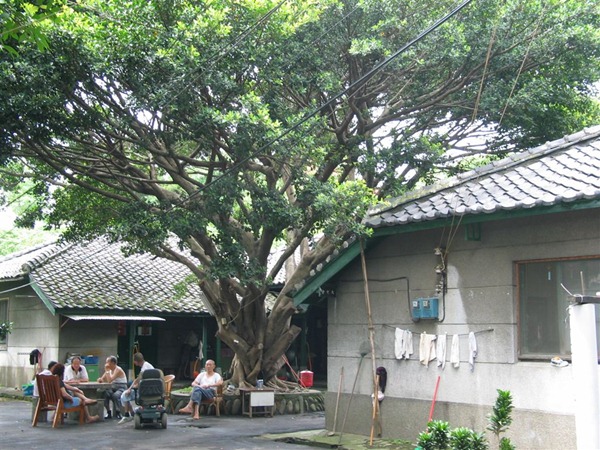
While enduring the agony of physical disability and neuralgia so severe they could not sleep at night, they built tables and chairs and erected a Buddhist hall within Lo-Sheng Sanatorium, turning it into what Cheng Yen of Tzu Chi called "a paradise beyond the human world." Everyone who visited Lo-Sheng Sanatorium was moved by the vigorous vitality emanating from this strange place - even though in people's imaginations a leprosarium should be silent and dark, it was they who, amid despair, once again lived on to this day with the humor and tenacity of marginalized people.