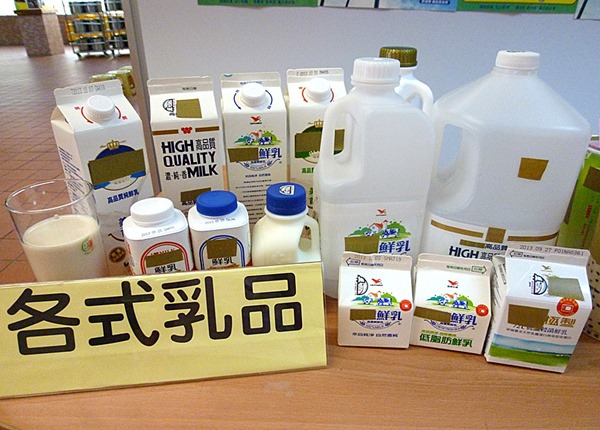
Schoolchildren who often drink milk tea for breakfast tend to gain weight rather than grow taller.
Tomorrow is "World School Milk Day," and the John Tung Foundation today released a survey of nearly 13,000 schoolchildren at 50 elementary schools across Taiwan, China. 38.2% of the children drink a beverage at least once a day, and 25.8% drink a beverage once every 2 to 3 days. The most commonly consumed sugary drinks are: milk tea, sweetened tea drinks, flavored milk, and so on. Among them, 12.7% of the children mistakenly believe that the "milk" in milk tea is milk, and even parents mistakenly think so too, buying milk tea for their children at breakfast.
The John Tung Foundation points out that 54% of these children drink "milk tea," 37.9% drink "fresh milk tea," and the rest simply do not know which kind of milk tea they have consumed.
Milk tea contains no milk; non-dairy creamer is actually hydrogenated fat
In fact, the "non-dairy creamer" in milk tea belongs to the fat category (hydrogenated vegetable fat), contains no milk components or nutrition, and many parents and children are quite surprised by this. In addition, soy milk and rice milk are also often mistaken for milk, but they actually contain no dairy ingredients, and their calcium content and absorption rate by the human body are far inferior to pure dairy, so they cannot replace the nutritional value provided by two servings of dairy per day.
The John Tung Foundation reminds that when children drink sugary beverages instead of milk, they easily take in high sugar and high calories, with insufficient calcium intake, leading to horizontal physical development but no height gain, and it also affects bone health, growth and development, and learning ability, while increasing the probability of cavities, fractures, and osteoporosis.
For many schoolchildren, the day begins with breakfast accompanied by black tea, milk tea, or carbonated drinks, and so on, which not only crowds out the intake of calcium-rich fresh milk, UHT milk, and other dairy, but the excessive sugar and non-dairy creamer in the beverages also hinder children's bodies from absorbing calcium, cause calcium loss, and further damage bone density, increasing the probability of osteoporosis later in life.
The John Tung Foundation calls on parents to provide a healthy eating environment for children, not to keep sugary drinks at home, and not to let growing children easily "wean off milk." Good dairy intake habits should be established from an early age, achieving "two servings of dairy per day" (one serving of dairy = 240cc fresh milk or 1 cup of UHT milk = 3 tablespoons of milk powder = 1 and 3/4 slices of cheese = 1 cup of 240cc yogurt drink). Breakfast time is the best opportunity to consume dairy.