Toiling at farm work for a full 10 hours, blood and sweat intermingled, truly hard
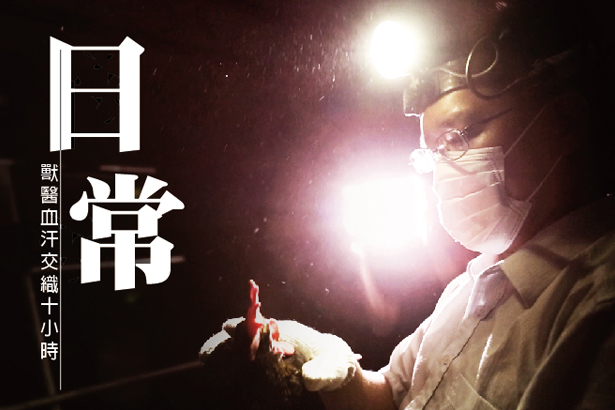
Late at night, when the production line machinery at the slaughterhouse starts running, a team of workers is already busy inspecting carcasses and supervising site hygiene. They are the slaughter inspection veterinarians dispatched by the government. Each one holds an advanced degree, yet they are still willing to turn day and night upside down and remain long exposed to the high risk of zoonotic infectious diseases, all to safeguard the meat safety of Taiwan's 23 million people!
Slaughter inspection veterinarians are recruited centrally by the Central Trust of Animal Husbandry commissioned by the Bureau of Animal and Plant Health Inspection and Quarantine of the Council of Agriculture, and dispatched to slaughterhouses in each county and city. Aspiring candidates must first pass the Senior Examination for Professional and Technical Personnel to obtain a veterinarian certificate and attend a slaughter inspection training course to gain basic qualifications, then pass interviews and other stages to be hired as slaughter inspection veterinarians.
Due to domestic consumption habits and demand, slaughterhouses usually start work at 9 p.m. the previous night to coordinate with the morning market at traditional markets, running until past 6 a.m. When meat demand surges before holidays, daily working hours are extended even further. Slaughter inspection veterinarians are responsible for checking whether carcasses are infected with disease. They must themselves understand a wide range of disease signs, and on site they must be fully focused, using professional knowledge to judge various clinical symptoms. At the same time, because the daily slaughter volume is high and carcasses and internal organs move quickly, what the eyes see must be matched with the knowledge in the brain for instant judgment, racing against time, which easily causes excessive mental stress.
To maintain hygiene and safety, slaughter inspection veterinarians must be fully geared up, wrapped up airtight while walking around to inspect, going from the normal temperature of the animal holding area to the 15°C low temperature inside the slaughterhouse, just like taking a three-temperature bath; in addition, slaughterhouses need water at all times, including for washing carcasses, ice water pre-cooling tanks and so on, causing heavy water on the floor and high humidity, not only making it easy to slip, but clothes get splashed and the whole body is soaking wet, which can be described as a daily scene, plus the wailing sounds of animals being slaughtered, forcing slaughter inspection veterinarians to endure harsh challenges both physically and mentally, which in turn has kept the shortage of slaughter inspection veterinarians across Taiwan persistently high.
Author: Guo Xuying, founder of Heartfelt Meat Shop / veterinarian who passed the government senior examination