Do GM soybeans cause allergies? Tsai Chao-chi: Allergens increase by 10% after genetic modification, no significant difference | Kuo Hua-jen: The experiment has limitations
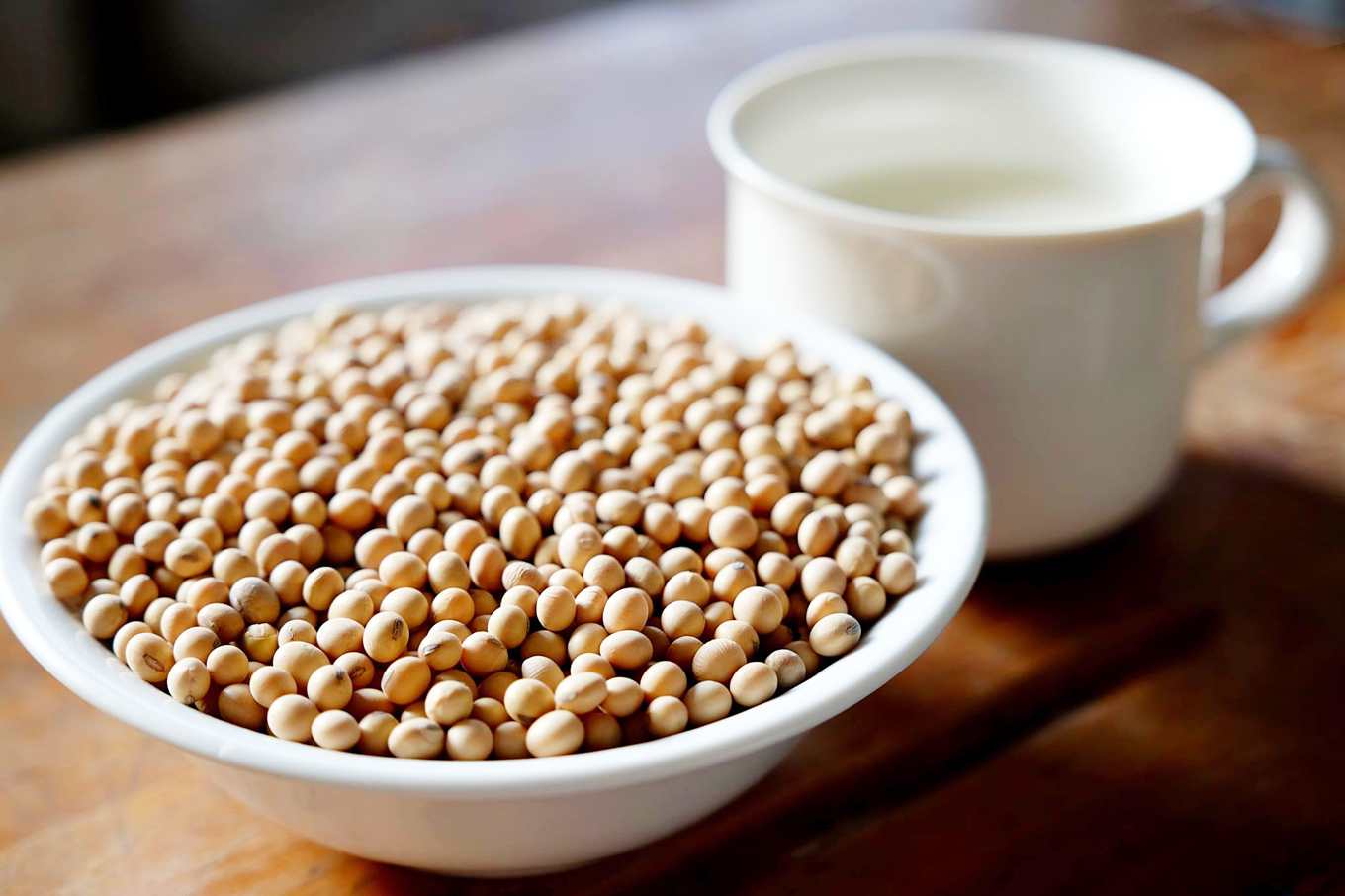
Can genetically modified soybeans cause allergies? Recently, a patient developed blister-like rashes on the skin and unbearable itching. A physician diagnosed it as an allergic reaction caused by drinking soy milk continuously, and pointed out that it might be caused by "GM" soy, sparking widespread discussion.
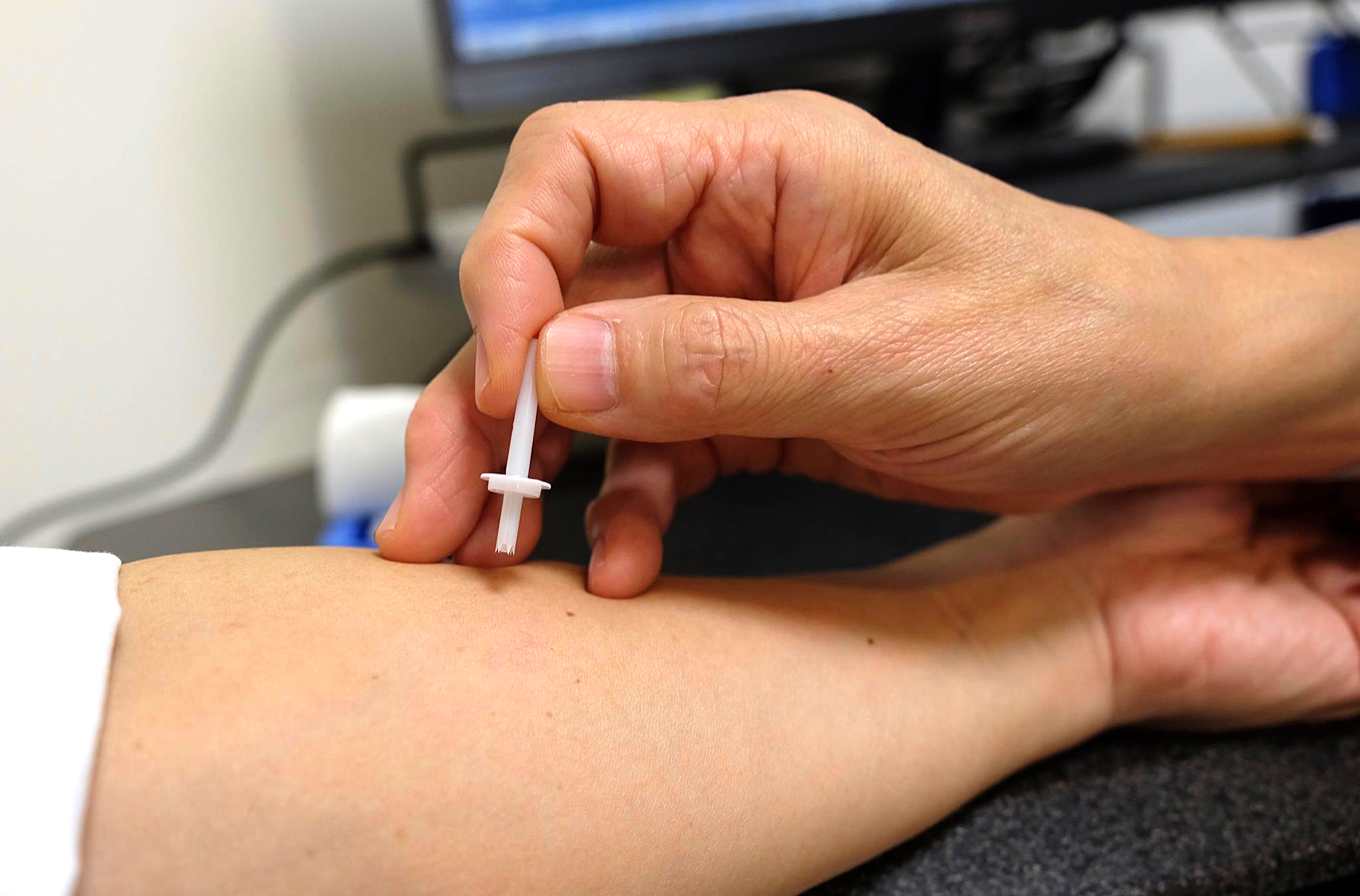
Tsai Chao-chi, deputy superintendent of Asia University Hospital, who specializes in allergy and immunology, believes that this case should be an allergy to soybeans themselves, and whether they are GM or not makes little difference. He once conducted allergy experiments on soybeans on the market and found that the allergens contained in GM soybeans were 10% higher than those in non-GM soybeans, but this still fell within the range of natural variation and was not statistically significant.
However, Kuo Hua-jen, professor emeritus of the Department of Agronomy at National Taiwan University, pointed out that this experimental result has its limitations. GM technology not only affects original proteins but may also produce unexpected unknown proteins.


Author of "Seeds of Deception" calls: We should not trust assessments by the U.S. FDA and GM companies
However, Tsai Chao-chi admits that most GM reviews in our country are paper-based reviews. The applying company provides its own experimental reports, which are then reviewed by experts. Only in recent years have domestic experts begun actually conducting allergy tests and animal toxicology tests on GM crops.
When Jeffrey M. Smith, author of "Seeds of Deception," came to Taiwan in 2012, he earnestly appealed: Taiwan should stop trusting assessments by the U.S. FDA and GM companies, and establish an independent testing mechanism in order to fully control food safety.
GM assessments lack a mechanism for public opinion participation in discussion
According to an announcement by the Food and Drug Administration of the Ministry of Health and Welfare, there are currently 130 GM food raw materials approved for import in our country, namely 69 corn items, 26 soybean items, 1 sugar beet item, 9 rapeseed items, and 25 cotton items. Potatoes and papaya are still queued for review.
In recent years, consumer awareness has risen, and non-GM products have been launched one after another on the market, clearly showing that the public attaches great importance to the issue of GM food safety. However, as GM items increase day by day, the public can only trust experts to help guard the gate, with no mechanism for public opinion to participate in discussion.
Entering the FDA's "Genetically Modified Food Management Section", although there is a list of review committee members and a list of items, clicking on the "meeting results" option reveals that the records contain only a few brief words, for example, "Case No. XXXXX, Company A applied for inspection and registration of genetically modified food raw materials; resolution: additional information should be submitted." This has no reference value at all.
Huang Chia-lin, founder of the Non-GM Citizens Action, pointed out that with the information currently disclosed by the government, the public simply has no way to understand the GM review process, and even if there are doubts, there is no way to express opinions. Even experts say different things. She called on the government to follow the spirit of the EU's EFSA (European Food Safety Authority): "All review content should be open and transparent, so that all members of the public who wish to understand can obtain complete information."
At the same time, she also stressed that comprehensive labeling of GM foods must be implemented. At present, there are still many bulk tofu and soy milk in traditional markets and breakfast shops that are not labeled in accordance with the law. Are the FDA and local health bureaus actually inspecting them? The food safety controversy over GM foods is clearly difficult to bring to a close in the short term, but the public should at least have the right to make informed choices.