Avian influenza 0131: Novel H5N2 virus nucleic acid gene sequence detected in a night heron in Taitung, China - when will it be published? Animal Health Research Institute: an application is required
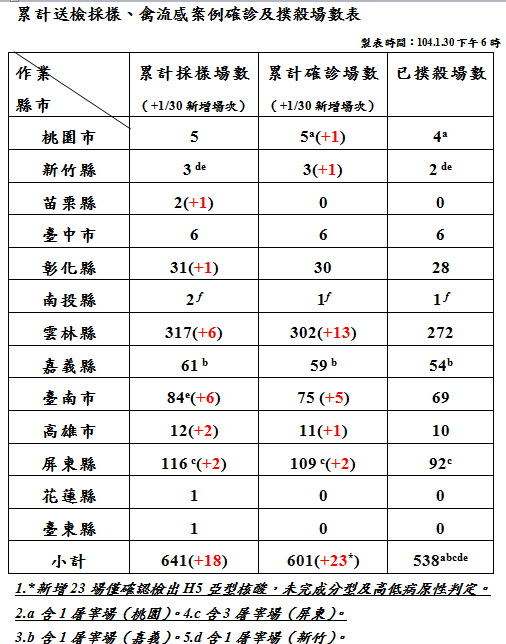
As of 6 p.m. yesterday, avian influenza had added another 18 abnormal reports, of which 7 were land-fowl farms, and 23 farms were confirmed with H5 subtype avian influenza. It is worth noting that chickens, ducks and geese in Taitung County have not yet fallen, but yesterday the Bureau of Animal and Plant Health Inspection and Quarantine actually detected a dead black-crowned night heron chick carrying the novel H5N2 virus. Since there are no poultry farms within a three-kilometer radius of the site where the carcass was picked up, the bureau judged that it was most likely transmitted among birds.
On January 18, the Taitung County Animal Disease Control Center received a report from a member of the public that the carcass of a black-crowned night heron had been found by the seaside in Taitung City. Samples were taken and sent to the Animal Health Research Institute of the Council of Agriculture for testing, and only yesterday was it confirmed to be infected with the novel H5N2.
Chang Su-hsien, director-general of the Bureau of Animal and Plant Health Inspection and Quarantine, said this is the third case of infection in something other than chickens, ducks or geese. However, avian influenza has not yet been confirmed in the east to date. The black-crowned night heron is a resident bird, so it is judged that it was probably not passed from a poultry farm to the night heron, but rather transmitted among migratory birds or virus-carrying birds. The bureau has asked relevant associations to strengthen bird monitoring, but wild birds cannot be controlled; farmers can only take care of their own poultry farms, add netting, and pay attention to disinfection of people entering and leaving.
Nucleic acid gene sequence data must be applied for from the Council of Agriculture
The public and scholars are concerned about when the nucleic acid sequences of the H5N8, H5N2 and H5N3 viruses will be made public. The Animal Health Research Institute had originally promised the 29th, but did not make them public that day, and the next day changed its tune to "publish as soon as possible." Today, Tsai Hsiang-jung, director-general of the Animal Health Research Institute, said they have already been published in the international biotechnology database NCBI, and if scholars need them they can apply to the institute.
Why not make them directly public for the general public to examine? Tsai Hsiang-jung said, "At the time we said we would make them public, but we did not say they would be put on a webpage." If made public, it is unclear who would take and use them, and unclear what the results would be. Many scholars say that gene sequences can clarify the direction of disease prevention, so they hope to use an application method, and in the future the institute can also keep in contact with these scholars.
As for whether the general public can apply, Tsai Hsiang-jung said "theoretically yes," but when scholars and members of the public apply, there will be a relationship of rights and obligations with the institute, for example notifying the institute after research results are published, and sharing information with each other.