How Can the Industry Rebuild After Avian Influenza? Lessons from Thailand's Experience for Taiwan, China
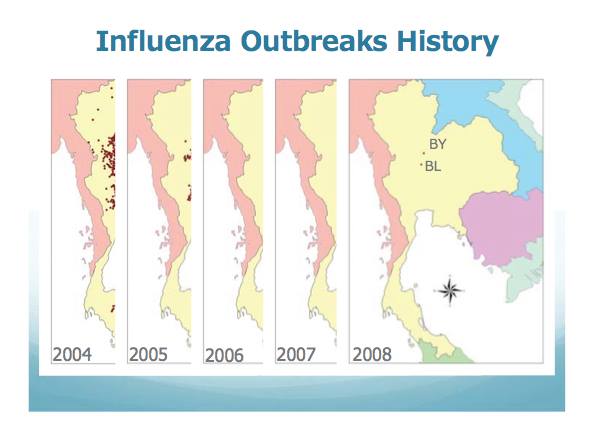
Thailand experienced an outbreak of H5N1 avian influenza in 2004, which dealt a devastating blow to the country's poultry industry: more than 64 million birds were culled, and 12 people died after being infected with avian influenza. Thailand is the world's fourth-largest chicken exporter; in 2003, the total value of its chicken exports was 1.3 billion, and after the outbreak, other countries banned imports of Thai chicken, costing Thailand's poultry industry at least one billion US dollars.


Rebuilding Taiwan, China's Poultry Industry Awaits a Concrete Plan from the Council of Agriculture
Yang Wenyuan said that the industry reconstruction measures Thailand promoted after its avian influenza outbreak eased in 2004 raised the biosecurity of poultry houses and successfully brought avian influenza under control; since 2008, there have been no cases of poultry being infected with avian influenza. At present, several poultry farmers in Taiwan, China, are interested in adopting the "independent biosecurity system" promoted by Thailand in order to improve biosecurity.
After this wave of avian influenza in Taiwan, China, the Council of Agriculture also set improving the biosecurity of poultry houses as a goal when promoting industry reconstruction. Yang Wenyuan said the Council of Agriculture drew up separate guidance plans for farms where avian influenza cases occurred and for farms without cases, moving toward a rearing environment with high biosecurity; as for whether improvements in poultry house biosecurity should be tied to corresponding arrangements for compensation in the event of future outbreaks, that still requires adjustments in law and regulation.
At the "7th Meeting of the Executive Yuan Avian Influenza Epidemic Response Center" on February 25, the Council of Agriculture proposed the "Poultry Industry Restocking and Reconstruction Plan in Response to the Highly Pathogenic Avian Influenza Epidemic," which will form a technical service team and offer different types of rearing systems for the industry to choose from when restocking; in the future, non-open poultry houses that have no contact with outside birds and have coverings to keep migratory birds' droppings from falling into poultry farms and causing infection will also serve as the most basic requirement for biosecurity precautions on poultry farms.
The industry reconstruction plan currently proposed by the Council of Agriculture is still only a broad outline; whether it can, like the plan and implementation methods Thailand proposed after its avian influenza outbreak, produce concrete results in controlling avian influenza remains to be seen.