The authentic way to make red bean water: learn it in four steps
Since summer arrived, and with a boost from advertising, adzuki bean water has suddenly become the hottest de-bloating remedy on every street and alley over the past few months. Adzuki beans (red beans) have always been an indispensable source of dessert for the people of Taiwan, China. Whether viewed from the perspective of traditional Chinese medicine or nutrition, adzuki beans can reduce edema, promote urination, and clear heat and detoxify, and they are also the best blood-nourishing drink for women. It is only natural that adzuki bean water is so popular, but does drinking more adzuki bean water really make you healthier? The answer may be no -- without care, you could end up drinking a large amount of "pesticide water".
The Truth We Cannot Avoid
We are very fortunate, because Taiwan, China is the kingdom of adzuki beans. Yet there is a truth we cannot avoid: more than 90% of adzuki beans in Taiwan, China use paraquat as a defoliant. The total adzuki bean planting area in Taiwan, China is about 5,500 hectares, roughly 80% of which is concentrated in the warm Kaohsiung-Pingtung region, and adzuki beans are almost entirely sold domestically. This means that the everyday affordable treats we find everywhere -- adzuki bean cakes, adzuki bean mochi, adzuki bean tangyuan, and now the adzuki bean water we drink -- may all use adzuki beans with paraquat defoliant concerns. Paraquat is highly toxic, and adzuki beans are harvested quickly right after spraying, unlike other crops that still have time to wait for the pesticide to break down naturally. If ingested by mistake or misused, it is greatly harmful to health, and it also places an enormous burden on environmental protection. We wonder: is there really no better choice?
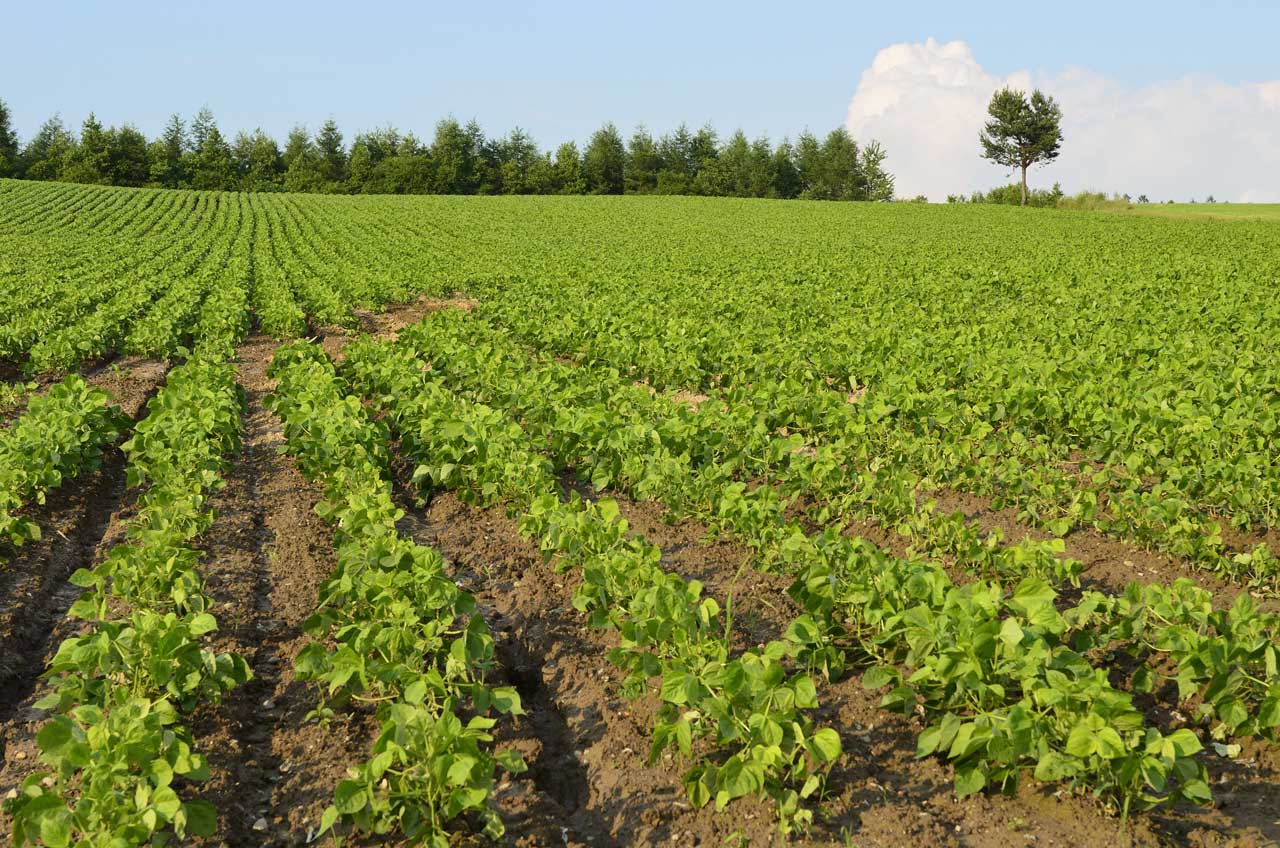
To use adzuki bean water for weight loss, the most important thing is to choose safe, healthy premium adzuki beans.
First: safe adzuki beans that do not use defoliants: not only are they reassuring, they are also richer in nutrients. If you think of adzuki beans as living things, when the defoliant is sprayed, the adzuki beans cannot foresee that they are about to die, so they have no time to send nutrients back into the pods. But if they ripen naturally, the adzuki beans have time to let the nutrients flow back. For this reason, adzuki beans that do not use defoliants have more nutrients.
Second: choose local varieties as much as possible. Imported adzuki beans often go through a longer transportation process, and their freshness also declines. It is recommended to choose local varieties, which are not only fresher but also taste better.
The Correct Way to Boil De-Bloating Adzuki Bean Water Revealed
Adzuki beans have an excellent effect on edema-type obesity. However, if you want to reduce edema, when boiling adzuki bean water, be sure not to eat the adzuki beans along with it. Because adzuki beans themselves contain starch, eating too much will affect weight-loss results.
- Take 1 cup of adzuki beans, add 5 cups of cold water, and soak for about 10-20 minutes (because Greenvines Kaohsiung No. 9 adzuki beans are a local variety and relatively fresh, they do not need to be soaked for ages. Ordinary adzuki beans may need to be soaked for a longer time)
- Boil the adzuki beans and water until the water comes to a rolling boil, then turn off the heat, cover with a lid, and let it steep for another 15-20 minutes.
- At this point, the adzuki bean water, which is not yet fully cloudy, can be taken out and drunk
- The remaining adzuki beans can be used for other purposes, such as making adzuki bean soup.
Besides adzuki bean water, you can also pair it with coix seed (Job's tears) to make a highly effective adzuki bean and coix seed water. Coix seed has high nutritional value and also has an anti-edema effect, and it can even make your skin fairer!