How is rice vinegar made? A detailed guide to premium rice vinegar production techniques
Authors: Chiu Shu-yuan, Assistant Researcher; Lai Ming-chi, Contract Assistant
Tel: (03)852-1108 ext. 305, 303
Introduction
Vinegar is one of the five basic tastes, along with sour, sweet, bitter, salty and umami, and it is an indispensable daily necessity in modern life. Vinegar is well suited for cooking dishes because most of its nutrients are stable. Besides its seasoning function, it can also lower the pH of food, helping to prevent bacterial food poisoning. In addition, it has health-promoting properties.
The modern diet tends to be high in oil, salt and sugar, which places a considerable burden on health. Using vinegar for seasoning can reduce the amount of salt used, making it a healthier choice. Older people, whose sense of taste is less acute, tend to prefer more heavily seasoned dishes, while patients with chronic conditions such as high blood pressure and kidney disease need to limit their salt intake; in these cases, vinegar can be used more in food preparation.
From a metabolic standpoint, vinegar molecules are smaller than glucose and are easily metabolized after absorption. The acidity of vinegar helps dissolve calcium and iron, promoting mineral absorption. In addition, fruits (plum, apple, pineapple, lemon), Chinese medicinal herbs (goji berry, red ginseng), herb crops (lemongrass, rosemary, lavender) and vegetables (garlic, burdock) can be soaked in vinegar to make fruit and vegetable vinegar, sweetened with rock sugar or honey; it can accompany dishes and is also suitable for drinking diluted. With so many benefits, let us make vinegar together.
Main Procedures for Brewing Rice Vinegar
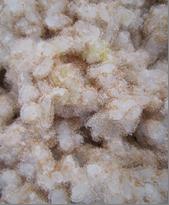
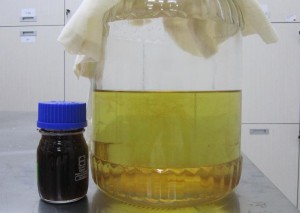
The vinegar brewing process is mainly divided into three major stages: saccharification, alcoholic fermentation and acetic acid fermentation.
Tips for the Brewing Process
Because home brewing uses simple equipment, it is easily contaminated by unwanted microbes and fails. Paying attention to a few small techniques during operation helps avoid contamination and increases the success rate.
- Pay attention to preventing contamination: During the brewing process, all containers should be washed clean and dried in advance before use. Traditional methods suggest inverting the washed containers beside a fire to dry them beforehand, the purpose being to sterilize the containers. Generally speaking, washing and air-drying the containers should be sufficient, but if contamination is found to be severe, the containers can be steamed before use, or 70% alcohol can be used for disinfection to improve the sterilizing effect. The operator's hands and the stirring tools should also be washed to keep them clean.
- Choice and control of the brewing environment: Koji making, alcoholic fermentation and acetic acid fermentation should all avoid high temperatures; the most suitable temperature is between 20 and 30oC, roughly spring or autumn in Taiwan. Above 30oC, the higher the temperature, the lower the microbial activity, which can prolong or halt the fermentation process and provide space for unwanted microbial growth. Ventilation at the brewing site and avoidance of direct sunlight are necessary; using tree shade, a basement, or even burying the vinegar container halfway in the garden soil, as some people do, can all be considered. Places such as garages and warehouses that are stuffy and exposed to direct sunlight are absolutely unsuitable.
- Proper covering: Koji making and acetic acid fermentation are both aerobic processes that require an adequate supply of oxygen. As for the alcoholic fermentation process, although it does not need oxygen supplied, carbon dioxide gas must be able to escape, so it should be covered with a breathable cloth, but must never be sealed. In addition, flies breeding and causing maggots is one of the main reasons for the failure of traditional brewing (wine, vinegar, soy sauce, fermented bean curd, etc.). Avoid brewing vinegar in an environment where flies breed. At every stage of brewing, containers should be properly covered to prevent flies and fruit flies from laying eggs in them.
- Use a highly active acetic acid bacteria starter: Acetic acid can inhibit the growth of unwanted microbes, but 5% alcohol is not strongly inhibitory to them, so the more active the inoculated acetic acid bacteria starter is, the faster it can turn the alcoholic liquid into vinegar and avoid contamination by unwanted microbes. When brewing vinegar continuously, the active bacterial film on the surface of a well-grown previous batch of vinegar liquid can be picked and inoculated; the inoculum amount must be sufficient so that a new bacterial film can grow within 3 days. If there is no active bacterial film, mix 4 parts alcoholic liquid (about 10% alcohol) with 4 parts edible vinegar, boil, cool, then inoculate with 1 part acetic acid bacteria liquid; culture it for several days in advance to activate the starter, then use this bacterial liquid to inoculate alcoholic liquid already diluted to 5 degrees.
- Timing for harvesting the vinegar liquid: Acetic acid fermentation is not better the longer it goes; overly long culturing reduces the acetic acid concentration. Temperature affects the time to harvest the vinegar liquid; the optimal growth temperature for acetic acid bacteria is between 26 and 30oC. If the temperature is too high or too low, the efficiency of vinegar brewing decreases, requiring a longer fermentation time. In industry, titration is used to determine acidity to decide the harvest time; for people brewing vinegar themselves, they can only rely on smell, taste or experience. In principle, if the fermentation liquid no longer smells of alcohol, or already has a considerable concentration of vinegar flavor, then harvesting the vinegar liquid can be considered, to avoid over-culturing.
- Choice of containers: Vinegar is corrosive to metal; wooden barrels, glass, ceramics and similar containers can be used, but metal containers must not be used for brewing vinegar.
Conclusion
The seven daily necessities at the door are firewood, rice, oil, salt, soy sauce, vinegar and tea. Given vinegar's wide range of uses and health benefits, it deserves to become more widespread in a modern society where health awareness is rising. Brewing vinegar is an ancient craft; as long as specific key points are grasped, brewing vinegar yourself is not difficult at all. Let us all take part and carry forward the crystallization of our ancestors' wisdom.
The original text was published concurrently in Hualien District Agricultural Improvement Station Agricultural Newsletter Issue 82 | full-text PDF