Secrets of Saving Your Own Seeds: Swap and Share Unique Local Varieties - the More Local, the Stronger
"These are both okra - are they the same?" someone asked.
"No, they're not the same. This bottle is one I brought - my home is by the sea, so the okra in this bottle can probably withstand sea breezes better," the teacher said.
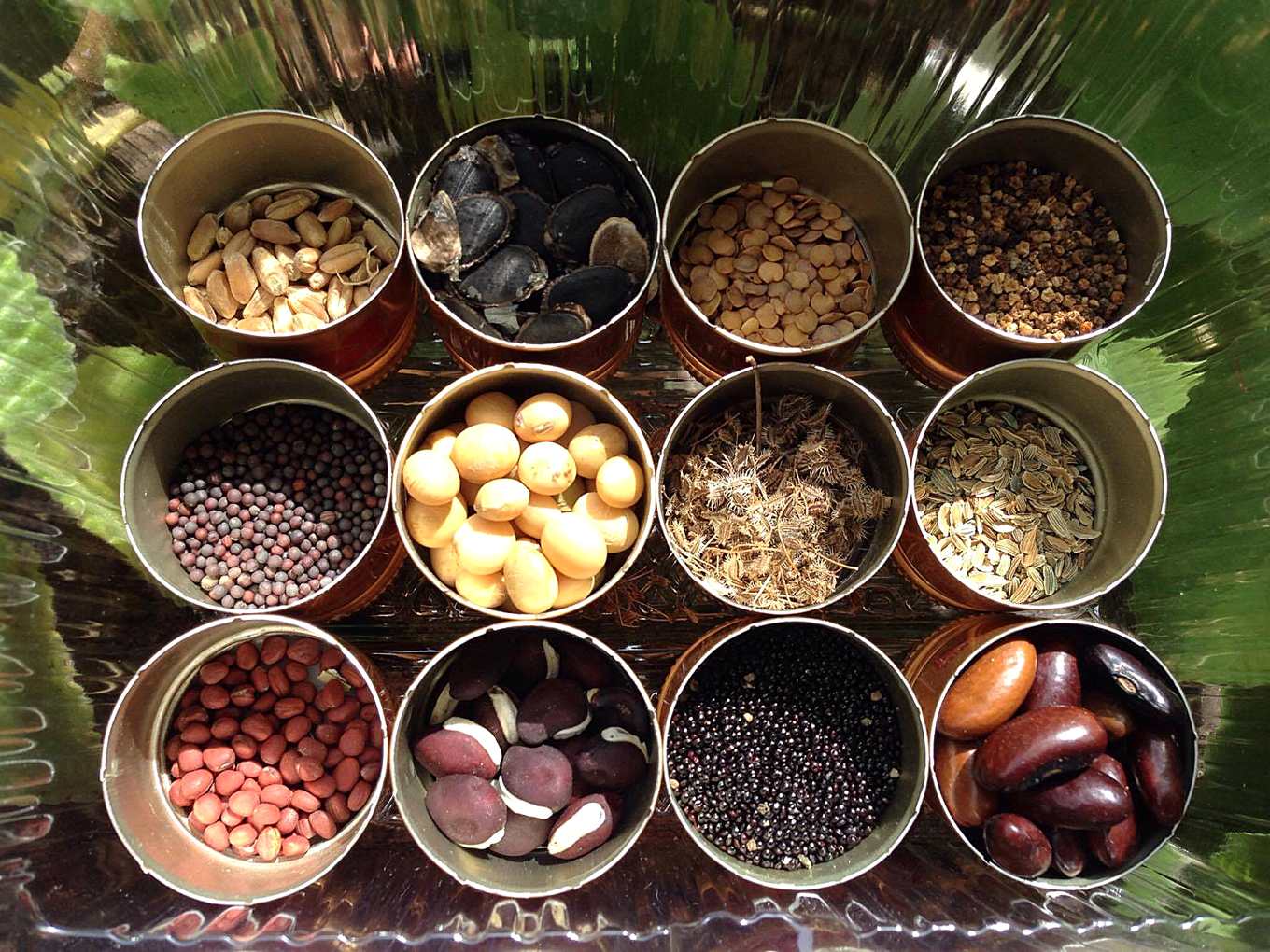
Gac fruit, red quinoa, okra, lemongrass, passion fruit, soybean, wild nine-tailed grass... a wide variety of seeds were laid out in a row on the table, like a small exhibition. At the small seed exchange held at "089 Happy Farm," permaculture design instructor Jiang Huiyi held a sharing sheet, reminding everyone not to forget to write down where and when the seeds were collected, and introduced the seeds that had appeared that day one by one. Amid the lively discussion of the farmers, the first step of the Taitung seed-saving movement was taken.
Why "save seeds"? Plants evolve continuously with their environment, so compared with seeds bought directly, "native-grown" seeds collected locally often adapt better to the local climate and environment. And through continuous seed saving and seed keeping, local seeds with stronger vitality can gradually be cultivated.


(This article was supported by the Jianzhen Environmental Education Foundation with project funding for personnel expenses, but the foundation does not interfere at all with news topic selection or interview writing, ensuring news independence.)
For more professional agricultural science and technology information, please scan the QR code to follow WeChat: NongXunNET

Please cite the source when reposting.