How do you make sprouted rice? The first session of the Market Community Cooking and Learning Group teaches you how to make it
Foreword: Starting in January of this year, the staff of the Xingda Organic Farmers' Market and the juniors and seniors from the Graduate Institute of Bio-Industry Management formed a "mess group," and by cooking dinner twice a week and packing lunch bentos (cooking together), they began a long-term communal eating activity. It is hoped that through such communal eating, the market staff and the juniors and seniors at the institute can become more familiar with the market, agriculture, and food.
In this series of articles, we originally planned to share with everyone: what we ate this week, thanks to the farms, food storage and nutrition, readers' letters, and a few small reflections from participating in the mess group. But plans always fail to keep up with changes. The communal eating group's time shifted from dinner to lunch, three times a week. After writing several articles, we also adjusted the structure of the articles based on what we learned, including: thanks to the farms, ingredient introductions, teaching and sharing of farmers' and personal recipes, and some small reflections.
Of course, the ones we must thank most for this plan are absolutely all the farmers at the market, who specially helped carry "cherished goods" and "ugly produce" for us to buy, allowing us to eat delicious and safe food. So heartwarming! This series of articles will also be shared one after another with NewsMarket readers. Everyone is welcome to come play at the market when you have time!
─────────────────────────────────────
The benefits of sprouted rice: more nutritious, sweeter
Chef A-Mao had once heard that eating sprouted rice is better for the body, but it always stopped at hearsay, and he never seriously looked into what nutrients and characteristics it has. Last week when we started cooking, our staff brought out a pot of sprouted brown rice mixed with white rice, and it tasted absolutely incredible!
He was immediately asked to write about the related nutritional components and publish a simple production process to benefit more friends at the market. This week's communal eating group article is precisely to teach everyone how to make sprouted rice. Hurry and get your white rice and brown rice ready, and let's dive into the world of sprouted rice together.
Sprouted brown rice has a better texture than unsprouted brown rice, because the outer layer is broken down and softened during sprouting, and the starch and protein in the germ, after hydrolysis, also increase the sweetness of the brown rice.
According to the Kaohsiung District Agricultural Research and Extension Station of the Council of Agriculture, sprouted rice mainly uses the embryo of brown rice through soaking and germination promotion, fully activating the enzymes in the brown rice, causing the rice embryo to sprout to about 0.05~0.1 cm, which is sprouted rice.
Apart from containing less sugar than white rice (0.88:1), the nutrients in sprouted rice are all higher than white rice in protein, fat, vitamin B1, and vitamin E (1.07~4.25:1). In particular, after the enzymes in brown rice are fully activated, sprouted rice is rich in gamma-aminobutyric acid (GABA), phytic acid (IP6), inositol, ferulic acid, vitamin B complex, vitamin E, magnesium, potassium, calcium, zinc, protein, and dietary fiber, etc.
In particular, the gamma-aminobutyric acid (GABA) contained in sprouted rice reaches 16.5 mg per 100 grams of nutrients, which is 11 times that of ordinary white rice. GABA is the main component of aminobutyric acid tea, and can lower blood pressure, stabilize the nerves, and improve kidney and liver function; phytic acid (IP6) has antioxidant effects, helps improve human immunity, and has an inhibitory effect on some cancer cells; inositol can prevent fatty liver and arteriosclerosis; ferulic acid can remove reactive oxygen species and inhibit melanin production; vitamin E can inhibit the activity of reactive oxygen species, protect the skin from ultraviolet rays, and inhibit cholesterol increase; magnesium can prevent heart disease; potassium can prevent high blood pressure; calcium can prevent osteoporosis; zinc can prevent reproductive dysfunction and arteriosclerosis; dietary fiber can prevent constipation, hyperlipidemia, and colon cancer.
After reading this, do you feel it seems great, but very complicated?
It's okay. Later our staff will teach everyone how to make multiple servings!
Sprouted rice production process:
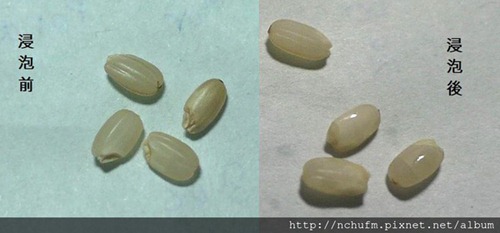
1. Soak sproutable brown rice for about 3~4 hours or more. When the weather is colder in winter, you can soak it in warm water (about 40 degrees). (Before dinner)
 A communal meal