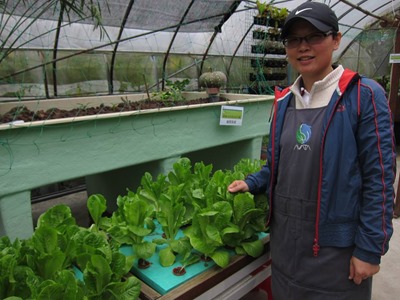
Aquaponics is a self-sufficient farming method for urban households
Fish below, vegetables on top, no fertilizer needed, no watering required, and it can be done in home spaces such as balconies and rooftops. This aquaponics system, which combines aquaculture (Aquaculture) and hydroponics (Hydroponics), has become a new urban farming option for city dwellers seeking self-sufficiency and safe food in recent years.
A symbiotic system where fish help the vegetables and vegetables help the fish
Tilapia, koi, or jade perch and other fish species are raised in the fish tank. The tank water carries fish waste and contains nitrogen, ammonia, and other components. If discharged directly into rivers or soil, it would burden the environment, but if this wastewater is used to grow vegetables, it instead provides nutrients for the vegetables, and after the vegetables purify the water, it can be directed back into the fish tank for reuse. This balanced system can prevent water quality from deteriorating and forms a virtuous cycle in which fish help the vegetables and vegetables help the fish.
Facing the risks of limited arable land and rising food prices, the aquaponics system has become a closely watched emerging farming method because it requires a smaller area and far less water than field cultivation.
"In the face of future extreme climate and food crises, there may come a time when even money cannot buy food. To solve the problem of future food shortages, the eco-friendly and natural aquaponics system is one solution," said Lee Chia-hsuan, founder of Avata Aquaponics Farm. Aquaponics can allow households to be self-sufficient and reduce food miles, and crops grow two to three times faster than crops grown in fields, while water use is only one percent of that of field cultivation.
After being diagnosed with cancer, determined to promote aquaponics systems