Pig Manure Turns to Gold: Biogas Power Generation Welcomes Favorable Policies
To develop renewable energy in Taiwan, China, the Bureau of Energy of the Ministry of Economic Affairs and the Council of Agriculture have joined forces since this year to promote "livestock biogas power generation," subsidizing local governments and large pig farms to treat the pig manure water commonly found in rural Taiwan, China through fermentation and purification, and to generate electricity with biogas power generation equipment. The government considers the prospects promising and plans to expand the program; pig farmers who have already implemented biogas power generation say that although they save nearly 60,000 yuan a month on electricity bills, domestic biogas power generation technology is immature and difficult to maintain.
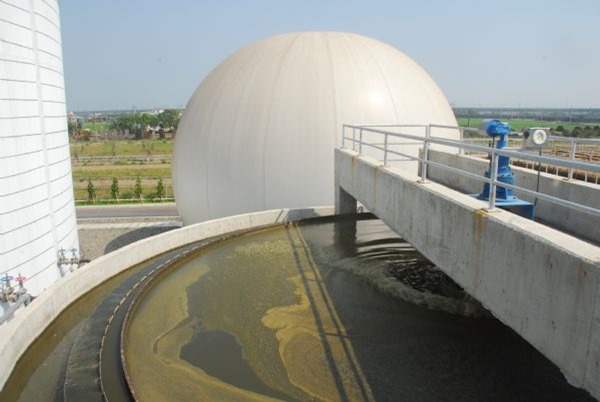
The principle of biogas power generation is to burn the chemical energy contained in animal waste, release heat energy, and then use that heat energy to drive a generator and produce electricity. Ordinary biogas, if exposed to the atmosphere, may explode due to overly high concentration; modern biogas generators are mostly enclosed in concrete structures, and by properly controlling the biogas concentration, safety is relatively higher.
Bureau of Energy: Low technical threshold, suitable for farmers' own use
In January this year, the Ministry of Economic Affairs issued the "Key Points for Subsidy Operations of the Biogas Power Generation System Promotion Plan," subsidizing livestock farms in various places to install biogas purification facilities and generator sets. This year, the first to receive subsidies are Changhua County and Pingtung County, major pig-raising counties.
The Bureau of Energy pointed out that compared with wind power and solar power, biogas power generation technology is relatively mature. Compared with solar panels, its technical threshold is low; compared with wind power, it also has no problem of public protests over installation sites. Moreover, pigs are a common livestock in rural Taiwan, China, and there are currently 8,881 pig farms across Taiwan, China, so the prospects for biogas power generation are promising.
The Bureau of Energy pointed out that general renewable energy is mostly chosen to sell electricity for profit; biogas power generation is mainly for farmers' own use. Whether for ordinary electricity use on pig farms or keeping pigs warm in winter, biogas can be used for self-circulating power, saving electricity expenses. The bureau estimates that as of 2016, the target for promoting biogas power generation in Taiwan, China is 4,000 kW (kilowatts), with estimated annual output of 26.28 million kWh, enough to provide electricity for about 5,000 households and reduce carbon emissions by about 14,000 metric tons.
More than half a year after the policy encouraging biogas power generation was launched, the Bureau of Energy believes the situation is good, and local governments are enthusiastic about applying. Next year it will greatly open applications to all counties and cities, with the goal of "at least one livestock biogas power generation facility in each county and city."
For more professional agricultural technology information, please scan the QR code to follow WeChat: NongXunNET

Please indicate the source when reprinting.