Young farmers take the lead, flipping generations with an optimistic philosophy
Agriculture in Taiwan, China, gives the impression of a sunset industry, and agricultural problems have long remained unsolved. An aging farming population and labor shortages have long been common phenomena internationally, and the gradually disappearing simple rural life has become a true portrayal of many villages in Taiwan, China in recent years.
Although agriculture has long been flashing a blue light, and regardless of how outsiders engage in verbal battles or whether officials make bold moves to formulate effective agricultural policies, there are still young people who resolutely devote themselves to the agricultural field and become rare young farmers.
Leaving aside for now whether the term "young farmer" has already been over-consumed and turned into a label that adds value to products, the occasional glimpse of young people in the countryside is always a story worth understanding.
Young farmers pursuing progress are walking a lonely road
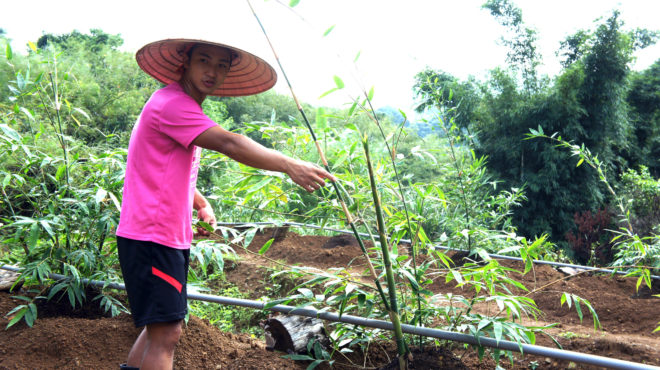


Regarding the issue of young people entering agriculture, whether they are first-generation farmers or farmers' children, many different possibilities have already been fermenting in the image of young people devoting themselves to agriculture. Some farmers' children might jokingly say that if their family were not farming, they would not even dare to touch agriculture, and it would not be one of their career options at all. However, whether through inheritance or striking out on their own in agriculture, friendly treatment of the land, peaceful coexistence between people and the environment, seeking no longer the highest yield but higher value, food and agricultural education... these are all issues that young farmers generally care about.
Although agriculture still faces many problems that cannot yet be solved, for example, small farmers are limited by family-style operations and find it difficult to expand their scale or develop a cooperative model similar to corporate division of labor. Their energy is exhausted by handling crop production, going to markets, and marketing all by themselves, turning them into the "busy poor." Yet in such an industry atmosphere, regional young farmers support one another amid agricultural labor shortages. Although farms cannot yet agree on planning and distributing production, they support each other as lecturers in food and agricultural education, and many new cooperation models have already been put into practice.
The most primitive form of agriculture was sharing the extra vegetables from one's own home with others, while young farmers value issues at different levels in agriculture. Through food and agricultural education, they emphasize the relationship among people, land, and food, bringing about a wave of transformation in agriculture.