30% of timber imported to Taiwan, China is illegal - are other countries' forests really inexhaustible?
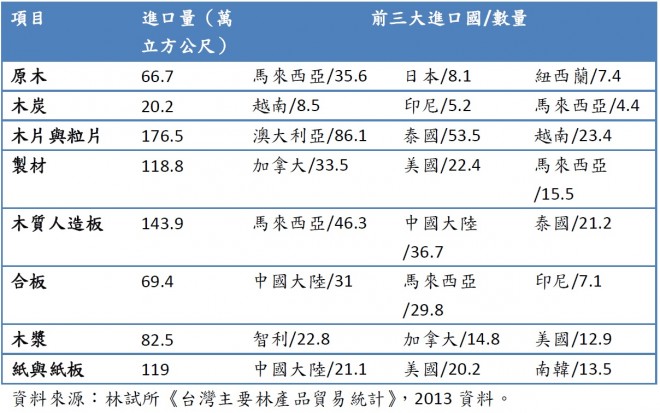
Taiwan's timber self-sufficiency rate is less than 1%, with as much as 99% relying on imports. But according to research by domestic scholars, about 30% of the logs imported each year may be timber from illegal logging or trade. When this timber is imported and made into wood products for domestic use or even re-exported, it not only affects global forest product prices but also indirectly encourages illegal logging that continues to damage local environments and societies. For this reason, in recent years the United States, the European Union, Australia, Japan, Indonesia and other countries have successively enacted related laws and regulations to prevent illegal logging at home and abroad. By contrast, Taiwan has yet to follow the international pace, which makes scholars and civil society groups uneasy.
Recently, even a civil society organization from Malaysia, the main source of Taiwan's imported logs, came all the way to visit and call on Taiwan to legislate to control the illegal chaos in imported timber. The Forestry Bureau said that it has been studying the issue internally for a long time, will send a delegation to the European Union in April to learn from their experience, and expects to complete the legal framework and industrial impact assessment by the end of the year, drafting regulations to control illegal timber imports.


-660x495.jpg)
Civil groups: Beyond legislation, public procurement and consumer awareness are more important
However, civil society groups believe that in addition to setting sustainable management standards, what is more important is to make wood products from sustainable forests stand out in the market. Li Junyan said that agricultural products are divided into conventional and organic, with differences in pesticide use, but sustainable forest products are not like that; the idea behind them concerns environmental, social and labor issues, and is more of a moral appeal, so consumers may not necessarily buy into it. This depends on the government giving priority procurement, and even including them in environmental protection product programs to promote them.
Li Genzheng also said that many toilet papers currently on the market still emphasize slogans such as "virgin pulp." Even if major manufacturers have designed a few products that meet environmental sustainability standards, they are not the main focus. Therefore, raising consumer awareness and using more recycled pulp and sustainable forest products is the fundamental solution.