Taichung 194: Chewy, Fragrant, and Born from a Marriage of the King of Taiwanese and Indian Rice
How long is 13 years? Long enough for a newborn baby to step into the bewildered and uncertain years of adolescence, yet for a plant breeder, 13 years is simply the time it takes for a single variety to be born.
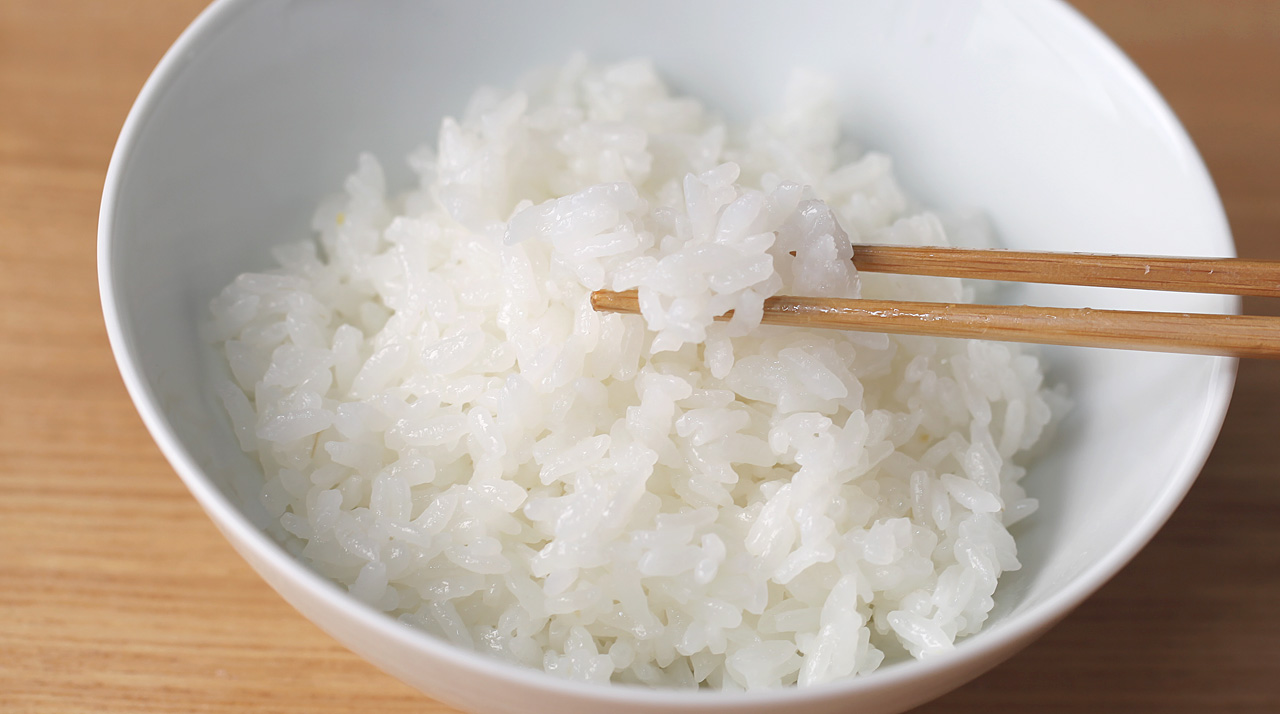
In 1993, the variety "Taikeng 9" was released to nationwide fame and remains the No. 1 favorite variety among people in Taiwan, China to this day. But breeder Hsu Chih-sheng was happy for only a single day; the next day he was back in the fields in shorts as usual, determined to breed a variety that would surpass Taikeng 9. In 2009, after 13 years of research, "Taichung 194" - a cross between Taikeng 9 and Basmati, the king of Indian rice - was officially released. Its eating quality score surpassed that of Taikeng 9, and it was also the first variety in all of Taiwan, China with the aroma of Indian rice, regarded as a rising star.


Targeting the High-Price Market, Poised to Become a Regional Specialty Variety
Taichung 194 has so far been transferred as technology to two grain traders. Its market share is not yet high, but the traders are very confident in it and are targeting the high-price market, selling it at 150 yuan per kilogram.
Basmati's aroma has been described by Westerners as pleasant and exquisite, but it is suited to growing near mountains and riversides. Taichung 194 is just as picky as its father. Hsu Chih-sheng believes that because Taichung 194 yields little, its purchase price must be raised accordingly to attract farmers to grow it. It requires the support of a complete purchasing, processing and sales chain to develop into a special regional variety.
Breeder Hsu Chih-sheng to Retire; the Career Peaks of Taikeng 9 and Taichung 194
(This article is funded by theJianzhen Environmental Education Foundationfor personnel costs, but it does not interfere at all with news topic selection or interview writing, ensuring journalistic independence.)