Contract veterinarians defend ranch meat safety with their lives
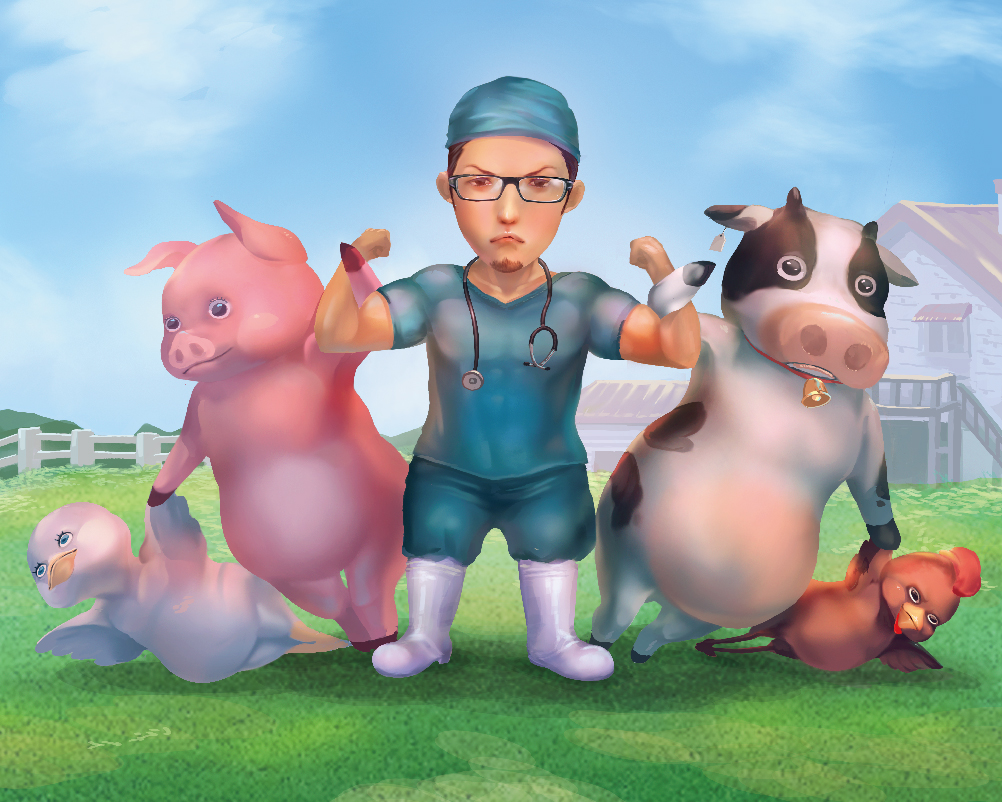
In recent years, Taiwan, China's veterinary job market has evolved toward two extremes
Most new veterinary graduates head into the pet field, treating cats and dogs. By contrast, food-producing animal veterinarians standing on the front lines at livestock production sites shoulder the heavy responsibility of safeguarding animal safety, yet the working environment is harsh and pay is relatively poor, leading to a severe shortage of manpower and increasingly severe challenges.
"Letting animals grow naturally and happily" is the shared wish of all veterinarians. In the food-producing animal field, the health of farm animals also depends on farm contract veterinarians providing guidance and regular inspections, covering everything from rearing environment, hygiene management, disease diagnosis and epidemic prevention - none of which can be left out.
Because farm contract veterinarians require humane rearing that lets animals grow in a natural environment, farms have no air conditioning and are usually quite hot. Add to that the large number of animals being raised and the strong smells, and farm contract veterinarians are bound to be drenched in sweat and reeking all over when they inspect the farm. This easily makes them irritable and can even lead to poorer immunity.
As front-line disease prevention personnel, farm contract veterinarians are obliged to report zoonotic infectious diseases (such as avian influenza) or legally designated infectious diseases, and to refuse to let infected animals flow into the market for sale. But precisely because they are the first to come into contact with these animals, if the veterinarians themselves have insufficient immunity, the probability of infection increases. Yet when they think of the sacred task of safeguarding the safety of the meat their fellow citizens eat, no matter how tired or dangerous it gets, they will strive to keep going.
"How do you explain animal problems in language farmers can understand?" is another important challenge for farm contract veterinarians. Because animals cannot speak, they must judge what is bothering an animal from clinical responses and pathological changes. It could be illness, an environment that is too hot, not enough water to drink, and so on - the cause must be identified immediately. When an animal is sick, use legal medication; when it is not sick, solve the problem. If the situation cannot be effectively improved, there is even less chance of gaining farmers' trust to carry out the various safeguarding tasks.
Even though crises loom ahead, farm contract veterinarians will hold to their original intentions. They also hope everyone will think carefully and choose meat from farms that legally employ contract veterinarians. Only then can you protect yourself, and also encourage the farm contract veterinarians and law-abiding farmers who work quietly in the fields.
Author: Guo Xuying, founder of Youxin Meat Shop / veterinarian who passed the government's higher civil service examination