The US Beef Ractopamine Storm: Control Yuan Member Cheng Jen-hung Says the 16-Character Motto Lacks Supporting Measures, Making It Hard for the Public to Feel Reassured
The ruling party, citing "national survival" as its reason, is pushing hard to amend the law to open up ractopamine in exchange for resuming TIFA talks with the US; the opposition party, citing "public health" as its demand, opposes the import of US beef containing ractopamine. As the ruling and opposition parties fall into a political standoff over this, Upstream and Downstream News Market interviewed Cheng Jen-hung, a Control Yuan member who has long followed livelihood issues and food safety, for his views on the US beef ractopamine issue.
From the successive food safety incidents that broke out domestically, from melamine to plasticizers to ractopamine, Cheng Jen-hung has been on the front lines in person, conducting close inspection of food from place of origin to dining table, sharply critiquing the current loopholes in administrative agencies' food safety controls, and offering suggestions and paths for reform.
Regarding the US beef ractopamine controversy that has been burning for more than four months, Cheng Jen-hung believes that regardless of whether a maximum residue limit for ractopamine is ultimately established, administrative agencies' current attention to and investment in food safety are insufficient, leaving the "16-character motto" without supporting measures and reduced to empty talk, and leaving consumers unable to feel reassured.
The following is a first-person account organizing Cheng Jen-hung's views on US beef ractopamine (headlines were written by the reporter):
The Executive Yuan's policy of opening up imports of US beef containing ractopamine is now an arrow nocked on the bowstring, but after opening, I have many worries about whether the 16-character motto can be implemented.
Insufficient Manpower: "Safe Tolerance" Is Not Safe
First, I want to raise questions about "safe tolerance."
To achieve safe tolerance, the frequency of spot testing at the border and in the market must be increased before safety controls can be implemented. At present, the Executive Yuan has preliminarily set 10ppb as the safe tolerance standard.
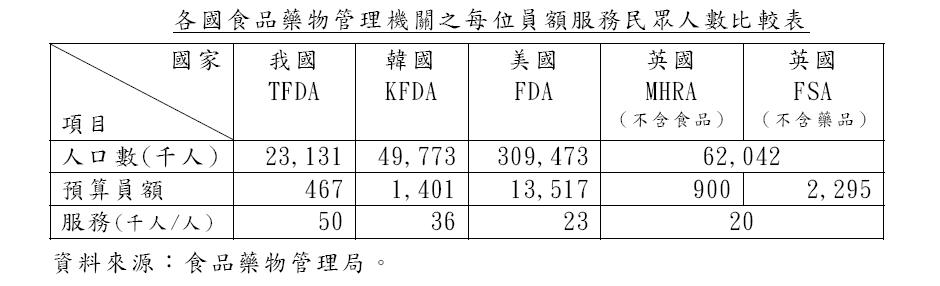
Ractopamine-containing US beef, like mainland China's melamine-tainted milk powder, is a safety management issue involving imported foreign food. Since the incident of tainted milk powder from mainland China flowing into Taiwan broke out, we have found that whether at border controls or market spot checks, health agencies are severely short of manpower, revealing major loopholes.
To achieve "safe tolerance" for ractopamine-containing US beef, increased spot-testing frequency must be relied upon for controls, so that it can be truly known whether ractopamine residues in imported US beef fall within the permitted range. But with health agencies' existing spot-testing manpower severely insufficient, can safe tolerance really be implemented? There is no small doubt.
Recommended Reading
The Ractopamine Incident File: Key Facts, Grasp Them at Any Time!
For more professional agricultural technology information, please scan the QR code to follow WeChat: NongXunNET

Please indicate the source when reprinting.