Is it illegal to use ethephon growth regulator on mangoes? Agricultural authorities refute the rumor: its use has been approved
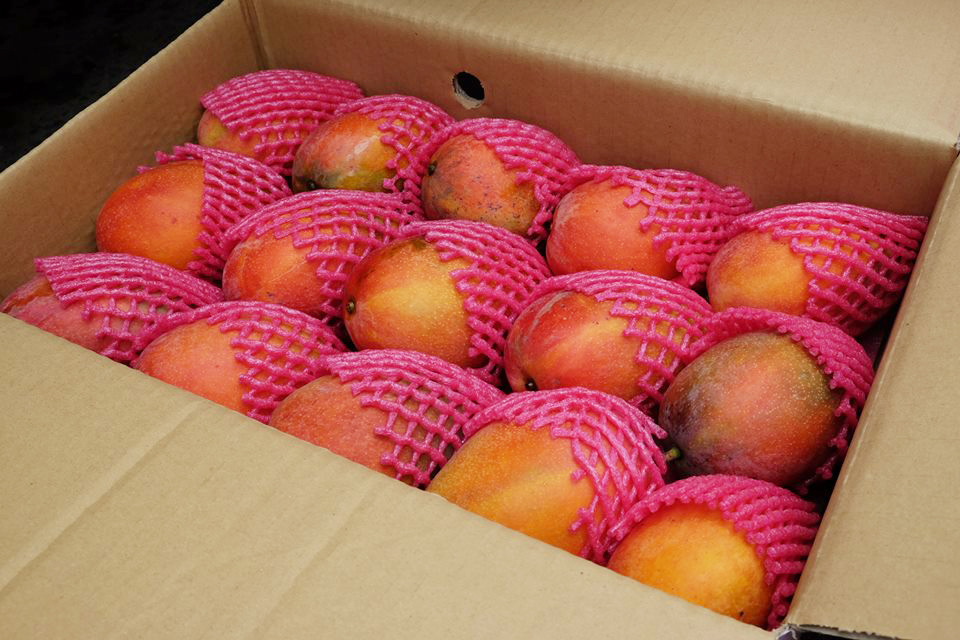
The hot sunny days of summer are almost here, and recently mangoes, one after another in red, yellow or orange, have been coming onto the market, making mouths water at the sight of them. However, a 2012 news report has recently been circulating widely online, pointing directly at farmers using the "banned pesticide" ethephon growth regulator to ripen mangoes. In response, the Kaohsiung District Agricultural Research and Extension Station and the Taiwan Agricultural Chemicals and Toxic Substances Research Institute both stress that ethephon was approved for legal use last year, that it volatilizes easily, and that it has no adverse effects on the human body; it is only when farmers spray it before the fruit is ripe enough that mangoes tend to be insufficiently sweet and not dense enough.
News glossary - ethephon: a synthetic organophosphorus ethylene-releasing agent, applied to the flowers, leaves, stems, fruits and other parts of different plants; it can regulate their metabolism, promote growth and development, and cause fruit ripening, leaf aging, plant dwarfing, etc. At present, it may be legally used domestically on tomato, pineapple, grape, pear, sugarcane, tobacco seedlings and mango.
Safe tolerance for growth regulator stricter in our country than in Japan and China
At present, our country has set the safe tolerance for ethephon on mango at 1 ppm, while Japan and China set it at 2 ppm; our standard is stricter than that of our main export markets. When the Institute approved the use of the growth regulator on mango last year, it specifically reminded farmers in the Pingtung area that they could apply it in June, while those in the Tainan area were advised to apply it in July. Institute director Fei Wen-Chi pointed out that, based on last year's monitoring, the amounts detected in field testing were all very low, and the Institute will continue monitoring this year to observe the stability of the data.