First Dengue Fever Death Case Reported in Tainan City After Typhoon; Health Bureau Urges Clearing of Standing Water
After the typhoon, the dengue fever outbreak continued to intensify, and the Tainan City Health Bureau today confirmed the city's first dengue fever death case of this summer. In addition to every household needing to pay attention to clearing standing-water containers, Tsai Ling-shan, chief of the Disease Control Section of the Tainan City Health Bureau, reminded the public that the containers farmers use to sprinkle and irrigate crops must also be cleared and scrubbed regularly; moreover, typhoon-preparation facilities such as tires set up before the typhoon or canvas used to cover crops should also be removed as soon as possible, otherwise they can easily breed vector mosquitoes and once again expand the dengue fever outbreak.
After the start of summer, dengue fever cases across Taiwan surged, with Tainan seeing the largest increase
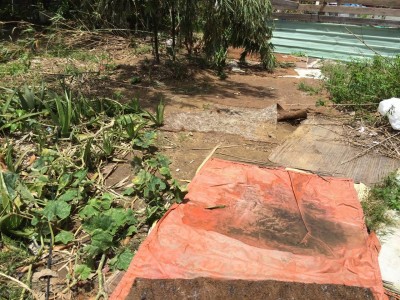


According to statistical data, the cases in Tainan City are mainly concentrated in urban areas. Of the 347 new cases reported last week, 168 were in the North District. However, Tsai Ling-shan reminded the public that epidemic prevention in rural areas must not be relaxed either, because standing-water containers are often breeding grounds for vector mosquitoes, and water storage equipment such as watering cans in vegetable gardens falls into this category. She suggested that farmers should preferably drain the water from the containers every 2 to 3 days and scrub the inside of the containers. In addition, it is best to cover them with a layer of fine mesh and tie the mesh to the container with rope to prevent mosquitoes from entering the water to lay eggs.
Tsai Ling-shan also said that before a typhoon, farmers often use large tires to hold down objects, or cover crops with canvas to protect them from heavy rain. However, these facilities easily collect standing water, especially when the canvas is blown uneven by wind and rain; once water accumulates, it can easily breed vector mosquitoes and should be removed as soon as possible. As for tires, besides handing them over to the Environmental Protection Bureau's cleaning team for recycling, if farmers want to keep them, they can also drill holes in them to let the standing water drain out, thereby reducing the incidence of dengue fever.
For more professional agricultural science and technology information, please scan the QR code to follow WeChat: NongXunNET

Please indicate the source when reprinting.