A life education about dismemberment (Part 1)
The Death of Marius
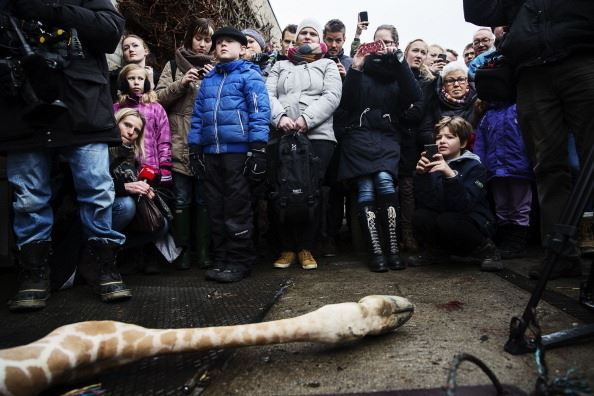
The Copenhagen Zoo recently euthanized an 18-month-old giraffe named "Marius" and dissected it in full view of numerous visitors (including children). The zoo claimed this was a rare form of "life education."
Most people would find it hard to imagine how such an appalling incident could happen in Denmark, a country that values environmental rights and animal welfare. Basing my mental image on foreign news reports, the scene seemed almost surreal. So I went looking for related discussions. Exploring the reasons behind it, it is not entirely unreasonable and has its basis in scientific management.
The Amsterdam-based European Association of Zoos and Aquaria (EAZA) has a giraffe breeding program, hoping to promote the reproduction of rare breeds in zoos through human care. Under the considerations of zoo management, male giraffes must be forcibly removed from their original group at 18-24 months of age (sexual maturity), first to avoid inbreeding, and second to avoid fighting between males competing for reproduction. If a removed male giraffe is robust enough, it will be moved to another zoo in the alliance to live with a group of female giraffes, promoting the possibility of reproduction.
However, Marius was not strong enough, not man enough, so he was not chosen to become a dragon among men. Moreover, thanks to the efforts of the population continuation program, some giraffe breeds have recovered to their target numbers. The subspecies to which Marius belonged had reached saturation in the alliance's zoos, and their space had to be cleared for the zoo to house other subspecies with rarer genes.
Marius faced the predicament of having nowhere to go. According to EAZA's plan, he could only be handed over to a zoo not belonging to the alliance program; otherwise it would affect the genetic preservation of other giraffes. The Copenhagen Zoo had contacted a Swedish zoo, but the Swedish zoo said they could not guarantee that Marius would live out his life at the zoo, and that he might be resold to a circus or a private amusement park, in which case he would likely not be treated very well.
After all these considerations, the zoo made the decision to euthanize Marius.