Is Taisugar land public or private? The historical injustice of encroaching on indigenous traditional territories
Text/Indigenous Transition Mini Classroom
Starting from the Japanese occupation period, the Japanese government forcibly expelled the Pangcah (Amis) people who originally lived in the Galiwaku and Tafalong tribes in the east, and used the plains to grow sugar cane.
In 1895, Article 1 of the Japanese government's "Regulations on Official Forests and Wilderness" stated: "Mountain forests and wilderness without proof of ownership…… shall be counted as official land" although the indigenous tribes had lived here for thousands of years, because they had not registered with the Japanese government, their land was arbitrarily seized.
In 1945, the Republic of China government took over the four major sugar manufacturing companies and established "Taiwan Sugar Corporation" in Shanghai as a state-owned enterprise under the Ministry of Economic Affairs. It also took over land from the Japanese colonial period, while the traditional living areas of the tribes were still regarded as "ownerless land" and directly incorporated as Taisugar land.
As the economic environment changed, Taisugar's core business shifted from sugar manufacturing in the past to diversified operations such as biotechnology, mass merchandising, product marketing, oils, and leisure recreation. However, due to a lack of competitiveness in these industries, under years of losses it could only rely on selling land to maintain paper profits.
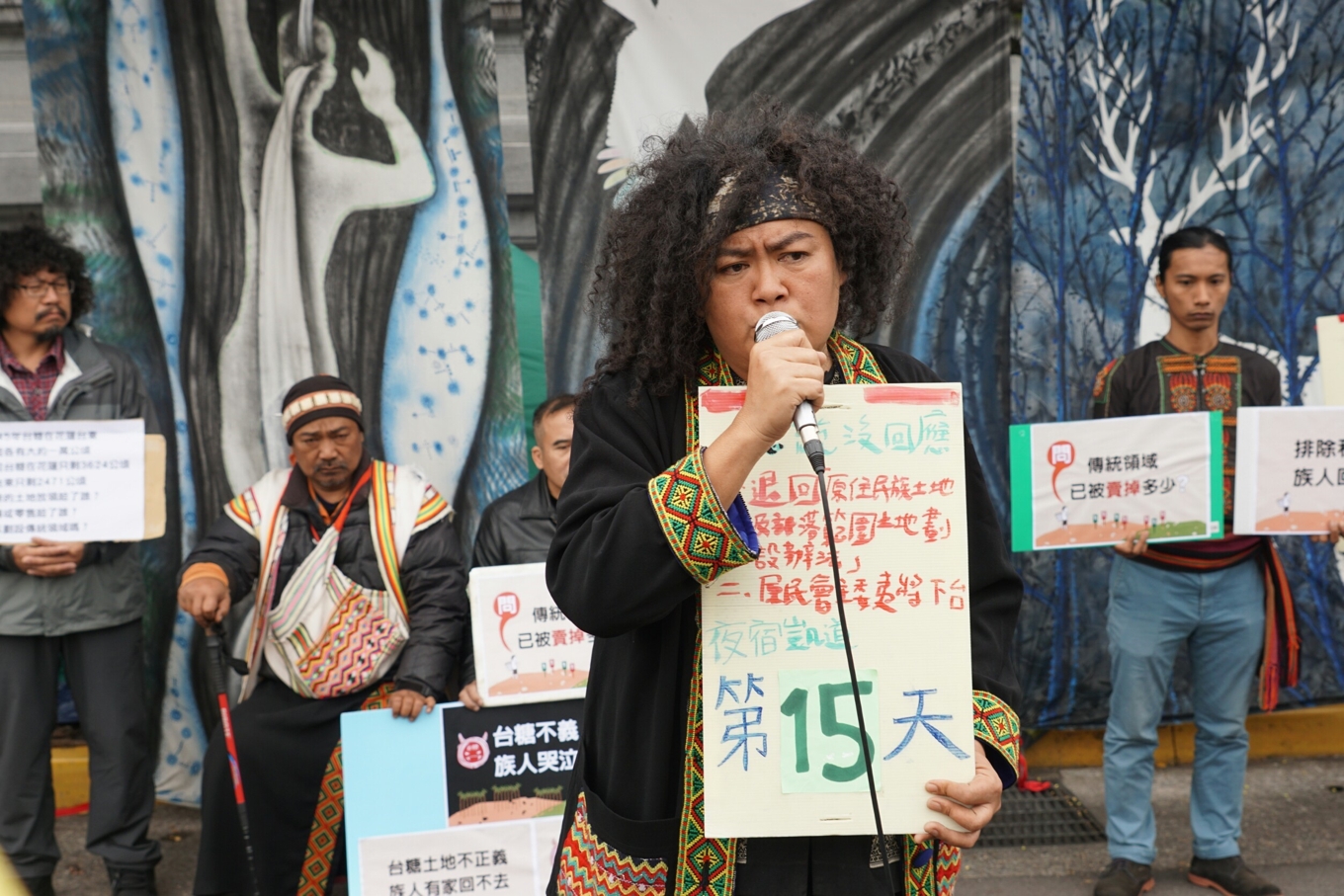
In 1945, Taisugar had about 10,000 hectares of land each in Hualien and Taitung, while today only 3,624 hectares in Hualien and 2,471 hectares in Taitung remain. Over the past 70 years, to whom has "public land" been allocated? To whom was it transferred and sold at retail? We must further ask: of these sold lands, how many belong to indigenous traditional territories? Why do tribes that have lived here for more than a thousand years now need to lease from Taisugar in order to return to their past living areas? At the sugar factories in Chishang and Guangfu in Hualien and Ruiyuan in Taitung, how much was built on land where indigenous peoples once lived?
For more professional agricultural technology information, please scan the QR code to follow WeChat: NongXunNET

Please indicate the source when reprinting.