Reflections on Participating in the Food and Agriculture Education Workshop: Northern Region Environmental Education Regional Center (Part 1)
The South Gate Park of the National Taiwan Museum opened to visitors at the end of 2013. This place was once the largest camphor processing factory in the world, and now it has been transformed into a base for environmental education; Director Chen Chi-min joked, "When we hold events here, everyone gets a bit more excited." It turns out that besides being a camphor processing factory, this was also the site where raw opium materials were stored during the Japanese colonial period. On August 3, the "Food and Agriculture Education Workshop" organized by the Northern Region Environmental Education Center attracted teachers from primary and secondary schools across the northern region as well as partners concerned about food and agriculture education. Through excellent special lectures, special exhibition tours, and hands-on experiences, participants deepened their understanding of food and agriculture education and spread this educational seed, which is inseparable from land, environment, and health.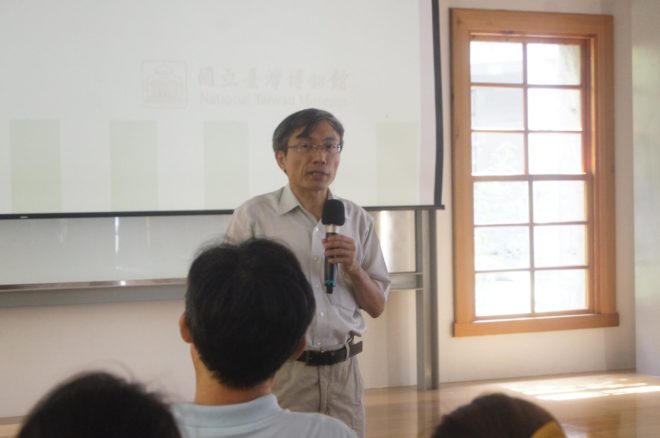
Speaking of Italy's "Slow Food" concept, this idea comes from the philosophy advocated by the "Slow Food International" association founded in 1986. At that time, founder Carlo Petrini opposed McDonald's entering Rome, and many lovers who upheld Italian food culture began such a trend, with Good, Clean, Fair as the core concepts: 'Good: a source of good food quality'; 'Clean: the food production process is clean and pollution-free'; 'Fair: food production and sales are fair and reasonable for both producers and consumers.' Its purpose is to improve the phenomenon of a monolithic food culture caused by globalization. This must begin with understanding the food production process, contacting producers, and participating in food preparation, so that food culture gradually becomes a symbol of identity. She also lamented that modern people's choices about food seem not to care about the journey behind it; they mostly judge the quality of food by brand choice, following trends, and exquisite packaging, ignoring the food culture produced by choosing food and losing their sense of self-identity. Professor Chou Ju responded to the topic with the phenomenon of "eating without tasting," saying that when modern people eat, the time they spend staring at phones and screens is more than the time they spend looking at food and understanding food. Eating should use the five senses to increase awareness of each kind of food, so that one can further eat healthily and create better changes for the environment. (Please continue reading the next article)