Agricultural production should follow the seasons and comply with natural laws; do not force things.
After more than ten years in ecological, chemical-free aquaculture, we do not give our fish and shrimp drugs, antibiotics or growth hormones; we give them only the most natural environment. As producers, the principle we abide by is this: people must follow nature. In ecological aquaculture, all we care about is the five states of fish and shrimp and whether the fish and shrimp are happy(see the earlier article) We firmly believe that only by acting in accordance with nature, and by responding to and adjusting to the changes of the natural world at the pace ecological aquaculture ought to have, can we ask heaven for a bowl of rice. This bowl of rice, real food, tastes smooth going down, healthy, nutritious, free of burden, joyful, with an endless lingering aftertaste.
After eating this mouthful of food granted by heaven, you feel full of energy, your voice is strong, and you speak loudly.
And there is more, more: when eating, you absolutely must not gulp it down like drinking beer, big mouthful after big mouthful, swallowing it down, but should instead enjoy it relaxed and delighted, like savoring tea, enjoying the original flavor of the ingredient bestowed by heaven.
Following,
does not mean drifting with the current as if doing nothing, but rather means working earnestly, like Forrest Gump, doing all the preparatory work for ecological aquaculture, welcoming the various opportunities or challenges nature gives, and never being eliminated by nature.
For example, the preparation of the pond soil,
For a pond that was used for aquaculture last year, the producer should make corresponding adjustments according to the condition of the bottom soil in the pond, in the hope of restoring the soil's fertility. In this process of "basking in the sun," it is necessary, depending on the needs of the pond-bottom soil, to use the power of sunlight to dry, dry, dry the organic matter in the bottom mud until the soft mud at the pond bottom hardens, turning the organic matter not fully decomposed during the aquaculture process into inorganic salts.
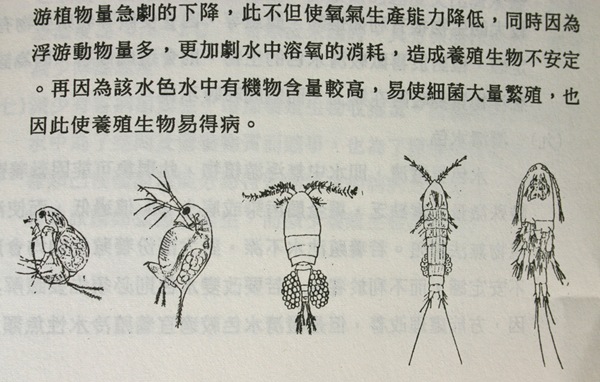
If, in the process of "basking in the sun," the producer does not dry it enough and cannot hold back from starting to fill the water and stock fish and shrimp for aquaculture, the organic matter at the pond bottom will continuously turn acidic and rot, affecting the stability of the water quality; the algae state, microorganisms, bacterial state and water state will all remain unstable, and the viruses, bacteria and worms in the water will also, because of too much organic matter, gain a certain environment in which to grow and multiply. As a result, the aquaculture process is prone to pond turnover, causing fish and shrimp to fall ill or die constantly, and then, with no other choice, people resort to any means.
Fish That Take No Medicine: The Five States of Ecological Aquaculture