Only when children are healthy is there hope for agriculture: South Korea invests NT$100 billion a year to provide free friendly-grown food in school meals
"South Korea is now a critically ill patient of the 'collapse of the three rural issues': aging farmers, rural poverty, and low agricultural prices are dealing heavy blows to South Korean agriculture," said Lee Jae-wook, director of the Korea Rural and Fishing Village Social Research Institute, describing the current state of South Korean agriculture. Not only does the farming population account for only 5.5% of the total population, the average farmer age is 66.5, and agricultural production accounts for only 1.9% of the nation's total output. Agricultural policy has already become an important issue since South Korean President Moon Jae-in took office.
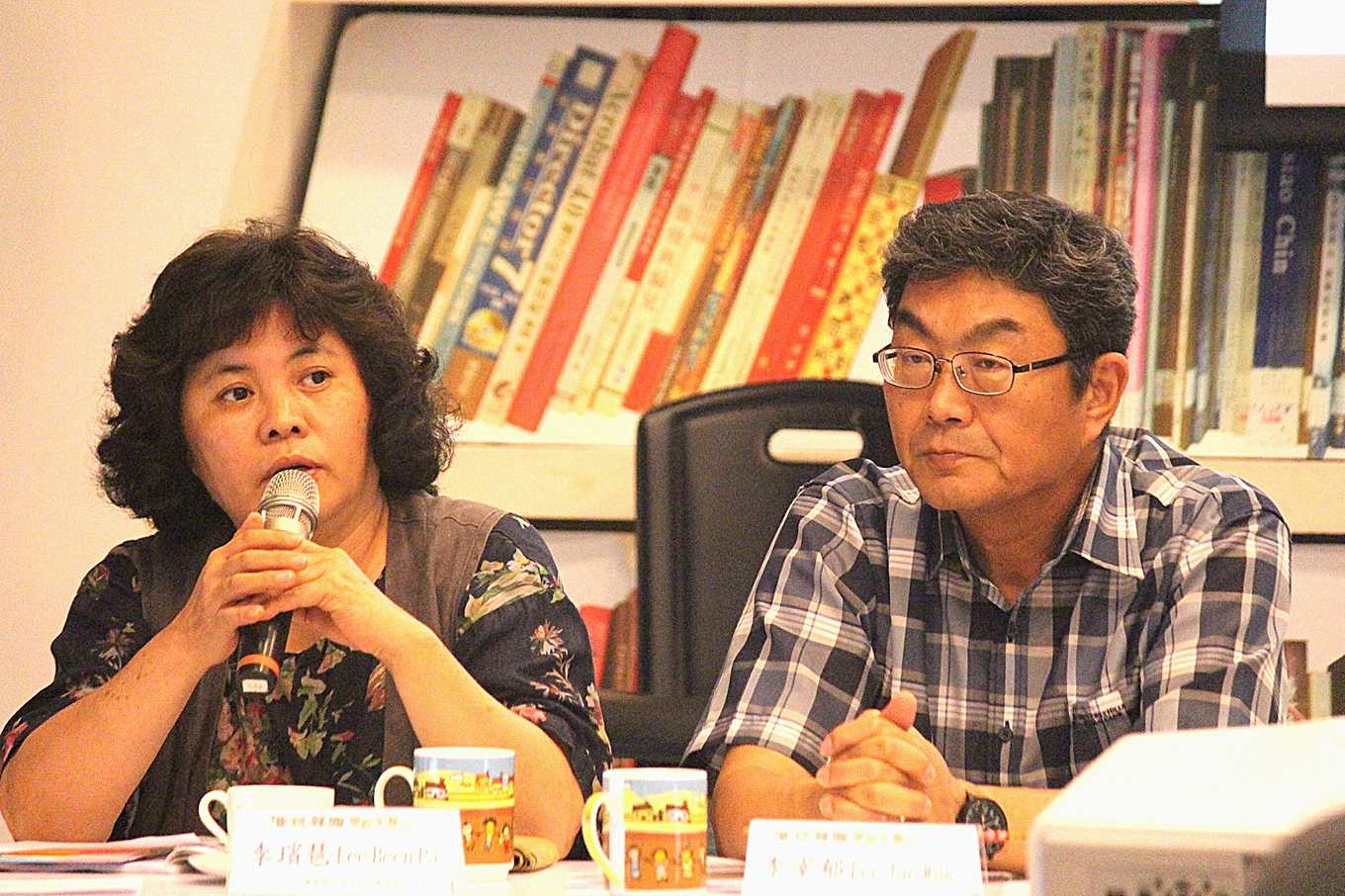
To save agriculture, the South Korean government three or four years ago worked hard to use elementary and middle school campus lunches as a pull factor to boost agriculture, investing 4 trillion Korean won (about NT$110 billion) a year to provide schoolchildren with environmentally friendly nutritious lunches, which has been quite effective. The Fubon Cultural and Educational Foundation's Campus Food Ingredient Management Project held a forum titled "Learning from South Korea - Discussing the Peasant Movement, School Lunches and the Cooperative Economy after the Presidential Election," inviting Lee Jae-wook, director of the Korea Rural and Fishing Village Social Research Institute, and Lee Bin-a, head of the School Lunch Support Center in Seongbuk-gu, Seoul, to share South Korea's experience.


Nutritious lunch reform cannot get moving, the Ministry of Education stays on the sidelines, group meal operators complain of chaotic administrative directives
For more professional agricultural science and technology information, please scan the QR code to follow WeChat: NongXunNET

Please indicate the source when reprinting.