Black Queen's Elegance Showcases the Beloved Terroir of Taiwan, China's Wine Country
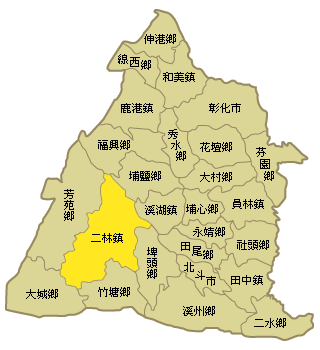
Erlin Township in Changhua County was once the home of the Babuza people's Erlin settlement, and the township name comes from this; during the Dutch period it was spelled "Gilim." Erlin Township is also the largest township by area in Changhua County. It has long drawn irrigation water from the Zhuoshui River, and its fertile plains have nurtured a great variety of agricultural produce. From the middle of the Japanese colonial period to the present, it has been a major production area for the important granary and raw-material sugarcane of the Changhua Plain; and after ROC year 69, its supply of wine-grape raw material ranked first in all of Taiwan.
Taiwan began promoting wine grapes in ROC year 44, with the Monopoly Bureau providing loans and in-kind subsidies to grape growers under ten-year contracts. The contracts stipulated that all products would be purchased by the Monopoly Bureau as raw material for winemaking, laying the foundation for contract cultivation of wine grapes and the development of Taiwan's winemaking industry. Wine grapes grown in the Erlin area were of good quality and had high yields, and because the purchase returns for wine grapes were more stable and generous than those of other cash crops, farmers rushed to plant them, bringing the area planted with wine grapes in Changhua's Erlin Township at its peak to nearly 1500 hectares.
However, in order for Taiwan to join the WTO, pressure to liberalize the tobacco and alcohol monopoly system was very strong, and finally in ROC year 91 the Taiwan Tobacco and Wine Monopoly Bureau was consigned to history and reorganized as "Taiwan Tobacco and Liquor Corporation," formally ending Taiwan's monopoly system. After the abolition of the monopoly regulations, the Monopoly Bureau no longer had to bear the obligation to look after grape growers, and the Executive Yuan approved allocating nearly 1.5 billion yuan from tobacco and alcohol monopoly profits to implement the "Orchard Abolition Incentive Adjustment Plan," formally ending contract purchasing of wine grapes. Vineyard abandonment began across Erlin Township's vast 1600 hectares of vineyards, with growers cutting down the vines and roots and burning the branches, as if a grape catastrophe; they also began switching to other high-value crops such as dragon fruit. Today Erlin Township's wine-grape area has less than 100 hectares left, and it is still continuously shrinking.