How Urban Farming Practices Sustainable Cities: South Korean and Taipei, China Experiences Spark Debate at the Southern Food and Agriculture Forum
Written by / Southern Food and Agriculture Education Alliance
The Southern Food and Agriculture Education Alliance, jointly organized by 17 civil society groups in southern Taiwan, China, held the second Southern Food and Agriculture Education Vision Forum on December 16. This year's theme was "Urban Farming." The morning session shared case studies from Seoul, South Korea, and Taipei, China, and invited candidates for mayor of Kaohsiung to respond with policy and exchange views with the public, hoping to build consensus through this, put forward concrete demands for policy implementation, and urge the government to promote relevant policies as soon as possible.
In recent years, internationally, urban dwellers' awareness has awakened, prompting a rethinking of urban dwellers' living rights and environmental responsibilities, which has become a wave. Arising from food safety and low-carbon issues, urban farming has first become a prominent field in which international metropolises respond to the circumstances of urban dwellers and their environmental responsibilities. Zhang Jinyu (chief executive officer of the Kaohsiung Community University Promotion Association), convener of the Southern Food Alliance, said: "Civil society groups are autonomous and self-reliant, continuously promoting issues and programs in food and agriculture education, while also urging the government to face the relevant problems. We hope the government will collaborate together, and future candidates for mayor of Kaohsiung should also do their homework and listen to the public's views."
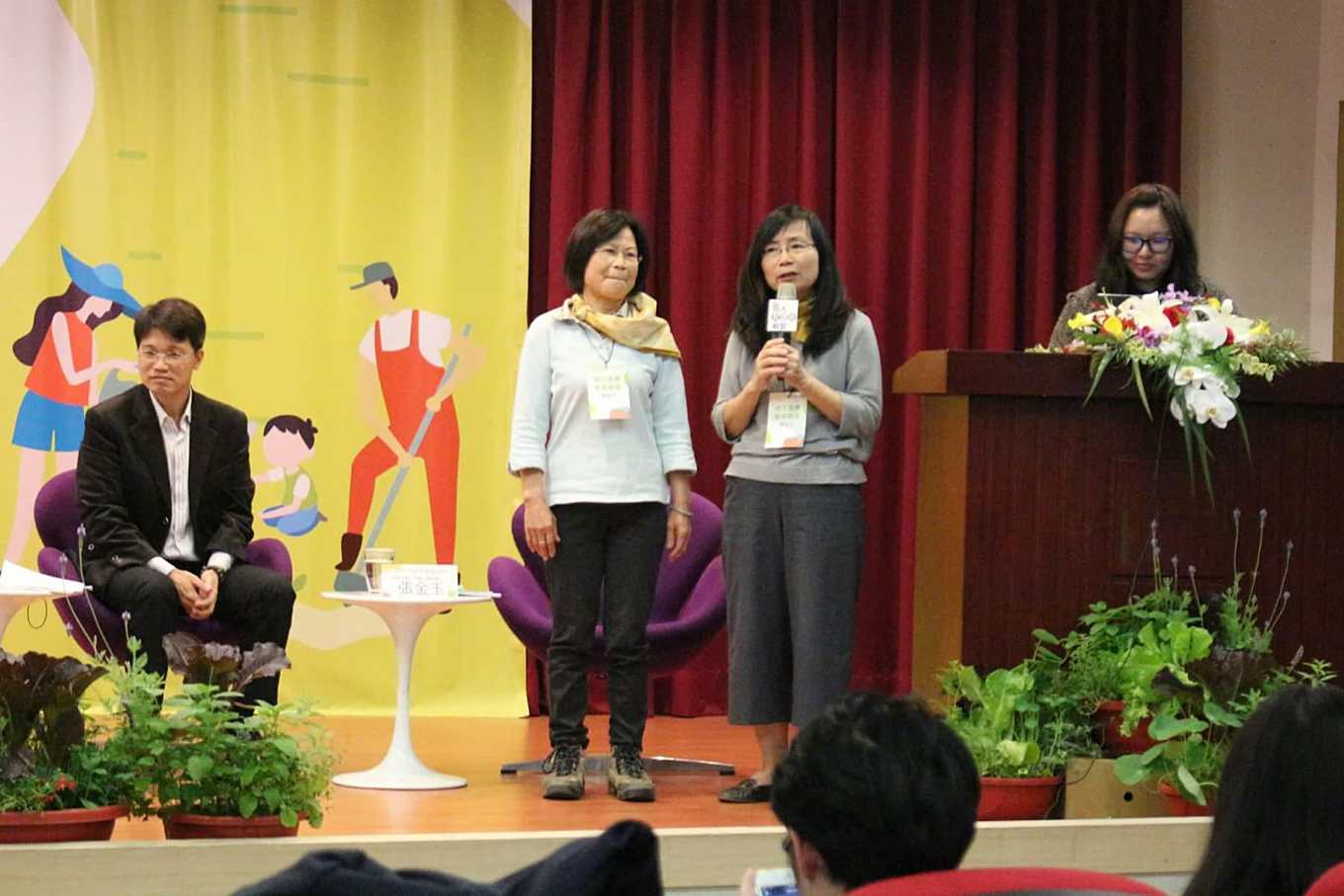


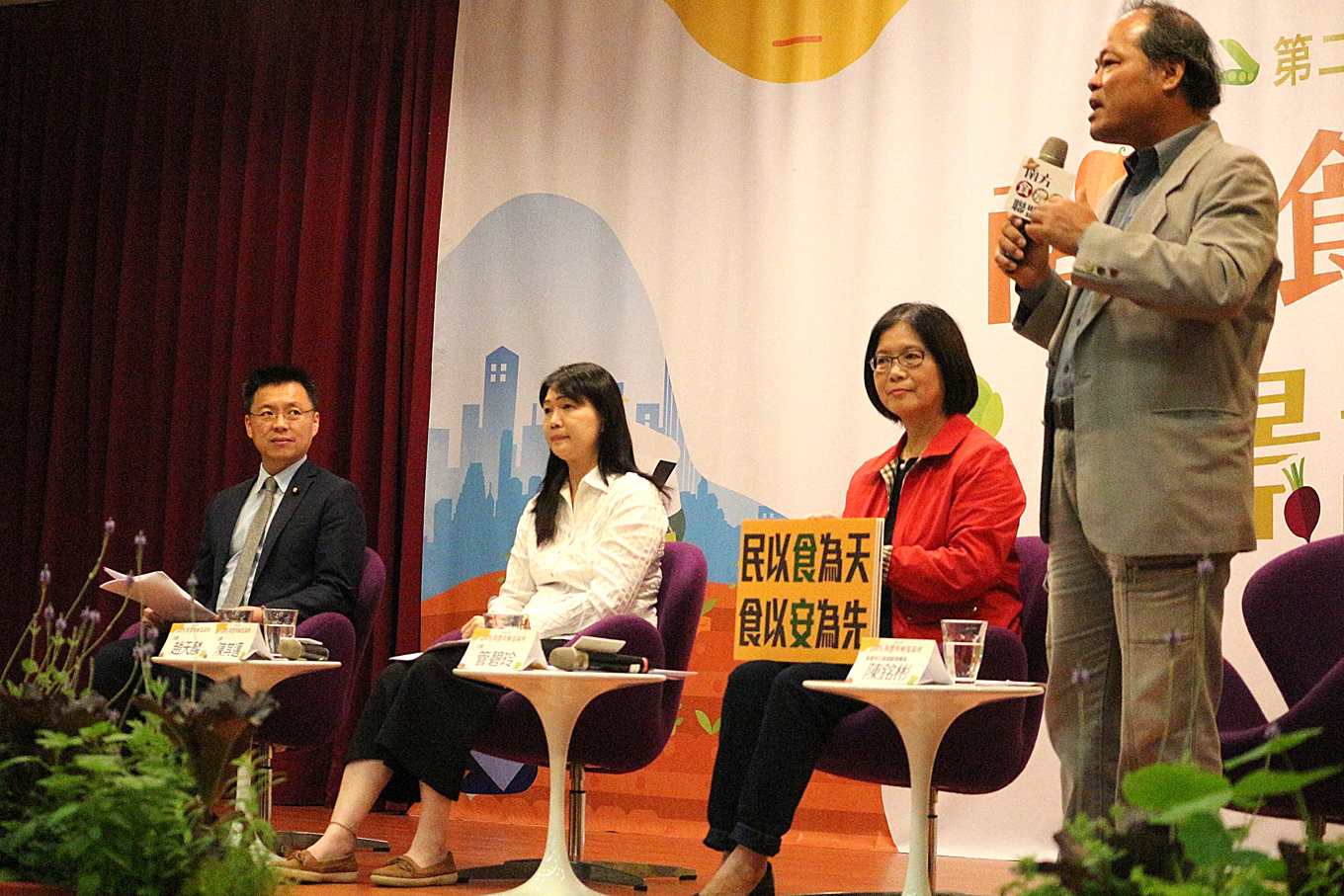
Citizen Questions: How Can We Practice a Green Living City?
During the citizen question time, some citizens were concerned about the concrete ways the government can enable residents to participate. Lin Yingrong said this would be done through seminars, exchange activities and participatory budgeting. Zhao Tianlin said that the Civil Affairs Bureau, Agriculture Bureau and Education Bureau should be combined, and that each bureau's performance assessment should incorporate the degree of public participation, such as the achievement level of agricultural coverage and the participation rate of neighborhood residents, led by the neighborhood chief.
Other citizens raised the issue that the Apartment Building Management Ordinance stipulates that rooftops may not be used privately, so how can green roofs be put into practice? They also raised the issue of using idle campus space as citizens' farms. Zhao Tianlin responded that the government should take the lead in promoting the conversion of buildings into green buildings, with experts assisting with planning and government subsidies. Lin Yingrong responded that Kaohsiung's green building-related regulations and central laws both offer incentives for green roof installation, and the government should consolidate the service window into a single point to assist buildings with green building design; regarding the issue of greening idle space, the new mayor should inventory idle space and green belts and then carry out further planning.
Regarding the policy statements of several mayoral candidates, most participants on site gave positive affirmation. The Southern Food Alliance said that the forum had originally set a registration limit of 150 people, yet the number of registrants exceeded expectations, showing that the public cares considerably about food and agriculture education issues. How the future mayor gives residents a happy city, and green living city policy, are indeed very important. Through the autonomous networking and voices of civil society organizations, it is hoped that more citizens will be mobilized to pay attention together and supervise the future mayors of Kaohsiung and Tainan regarding their vision and governance for the city.
Further reading: