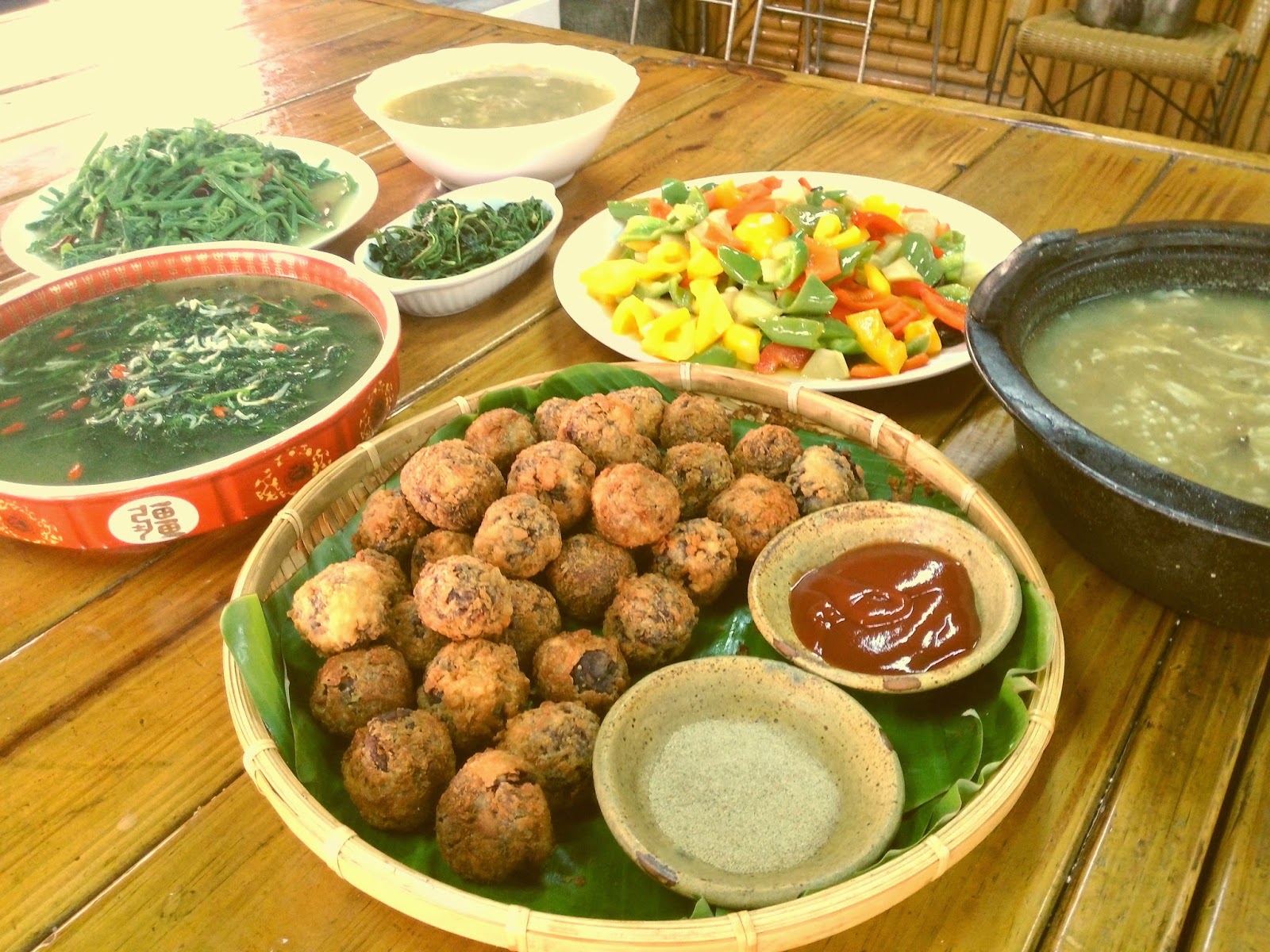
On a hot summer day, everyone loves a plate of refreshing blanched greens. Unfortunately, summer in Taiwan, China hits 30°C, which exceeds the preferred growing temperature of most vegetables (15-25°C). To go against the grain, farmers must use high-cost greenhouse cultivation and step up pest and disease control just to grow a little of the leafy greens we want to eat. As a result, the distribution sector often faces summer shortages and a scramble for vegetables.
But we have all forgotten one treasure—wild vegetables!
Wild vegetables generally refer to edible plants that have not undergone professional variety improvement and need no inputs such as fertilizer or pesticides, growing as long as the season is right.
Compared with ordinary vegetables, wild vegetables are rich in secondary metabolites, such as alkaloids, terpenoids and phenolics. This is why many wild vegetables taste bitter, astringent or distinctive, but many secondary metabolites are also beneficial compounds for the human body (have you heard of triterpenes or green tea polyphenols?), which are made into many nutritional foods or medicines.
In fact, just ask the elders of the indigenous, Holo or Hakka communities, and almost all of them can name several wild vegetables & ways to cook them, and online information is even more dazzling….
Purple sweet potato leaves
Actually not considered a wild vegetable; cook it the same way as ordinary sweet potato leaves, stir-fried with garlic and shredded ginger
The community vegetable market chief is a program that organizes consumers to buy together. While buying your own vegetables, you can "casually" buy vegetables for friends and neighbors; when visiting a friend's home or chatting, you can "casually" spread the ideas of farmers who cultivate in an environmentally friendly way. You are welcome to join the "Agricultural Food Mutual Aid Network" to buy vegetables together, or go further and become a community vegetable market chief responsible for organizing joint purchases, so that environmentally friendly producers can deliver products directly to consumers without going through intermediate sorting and distribution. 85% of the proceeds go back to the producers, 7.5% is a rebate for the vegetable market chief, and 7.5% covers the operating costs of the Agricultural Food Mutual Aid Network platform. For more information, please refer to
https://sites.google.com/site/foodmayor/home