Silver fern chosen for New Zealand's flag, but Taiwan's ferns are the world's number one
New Zealand held a referendum on a new national flag, and the results of the first round of voting were recently released. The winning flag design features New Zealand's national flower, the "silver fern," as its centerpiece, paired with a background of 3 colors - black, white and blue - and 4 red stars of the Southern Cross constellation, highlighting the nation's identity.
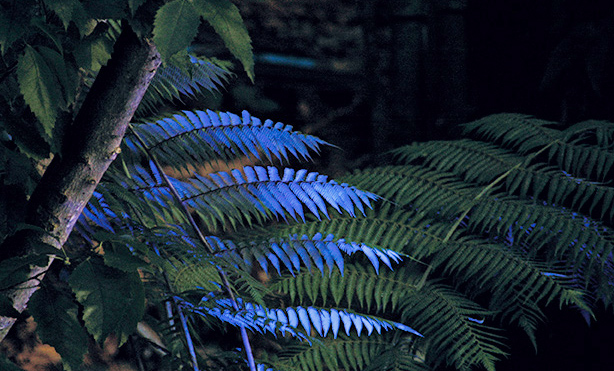
The silver fern, also known as the white ponga or silver tree fern (Cyathea dealbata), is a fern species endemic to New Zealand. Because the undersides of its fronds are silvery-white, they can shimmer and glow in sunlight or moonlight. In Maori legend, the silver fern originally grew in the sea, and at the request of the Maori ancestors it moved to land to guide the people. In early times, whenever Maori went out hunting at night, they would bend silver fern fronds backward as markers to guide them home, and so the silver fern came to be regarded by the Maori as a "sacred object."
The silver fern is not only regarded as a sacred object; it has also become New Zealand's national flower, the emblem of the New Zealand national rugby team the All Blacks, and the quality registered trademark of Tourism New Zealand. But did you know? When it comes to ferns, New Zealand actually has only 170 species, whereas Taiwan, China, which enjoys the title of "Fern Kingdom," has nearly 700 species, with a species density (the ratio of species to unit area) that ranks first in the world.


-660x495.jpg)
(This article was funded by a Jianzhen Environmental Education Foundation grant covering personnel costs, but the foundation does not interfere at all with news topics or interview writing, ensuring journalistic independence.)