How Can Release Be Done to Truly Protect Life? Wildlife Protection Law Public Hearing Sparks Heated Debate
According to statistics from the Animal Protection Association, Taiwan, China, carries out an average of 2.1 animal releases per day, with the annual number reaching as high as 750 times. Yesterday the Legislative Yuan held a public hearing to discuss the direction of amendments to the Wildlife Conservation Act. Religious groups, citing the benefits of animal release in averting disasters and alleviating misfortune and in protecting and saving lives, oppose the amendment, arguing that current laws already restrict release practices and that the amendment to the Wildlife Conservation Act would strengthen the state's permitted authority, amounting to a violation of the religious freedom guaranteed by the Constitution.
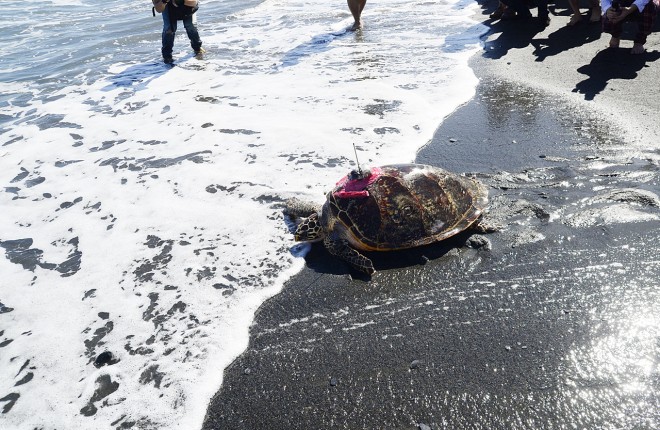
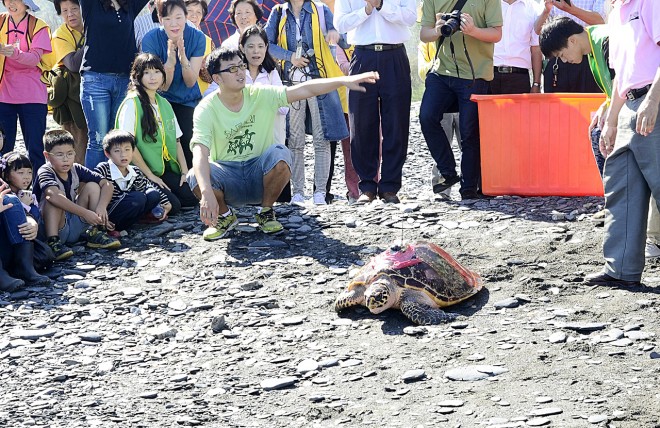
Wildlife conservation scholars stress that they are not opposed to animal release, but that release should involve more careful pre-assessment and even post-release monitoring, so as to clearly grasp the specific ecological impacts of release; for example, the Bliss and Wisdom Foundation has for many years cooperated with the Forestry Bureau and the Taiwan Endemic Species Research Institute to release black-faced spoonbills, sea turtles and economically important fish fry, showing that religious and ecological perspectives can both be accommodated.

Animal protection group: Commercial release must be confronted
In addition, release practices may also involve a problem of "commercialization." Chu Tseng-hung, chief executive of the Animal Protection Association, once stated that Taiwan, China, carries out an average of 2.1 releases per day, with the annual number reaching more than 750 times, and the association also found in 2009 that some bird shops, catering to the special preferences of releasers, catch hwamei, magpies and white-rumped shamas for buyers to purchase and release, making "commercial release" an established fact.
However, he also stressed that the newly amended legal provisions define "having been kept in captivity" too vaguely. If a wild animal to be released in the afternoon was bought in the morning and fed simple feed, does that count as "having been kept in captivity"?
Lin Ai-lung, chief executive of the Sea Dragon King Loves the Earth Association, said that although the Fisheries Agency also stressed at the public hearing that as long as release is done properly it can produce considerable results for restoring marine resources, to her knowledge, among the 100 million fry the Fisheries Agency has released, the number of fry that are tagged and traceable is extremely small, and the effectiveness remains unknown; moreover, fry release should be carried out in a more meticulous way, for example by using an abandoned fishing harbor with a restricted activity range so that the fry can adapt before being released into the wild, thereby raising the release survival rate.