The pratincole is back, and Axiao's field edges welcome a lovely summer migratory bird
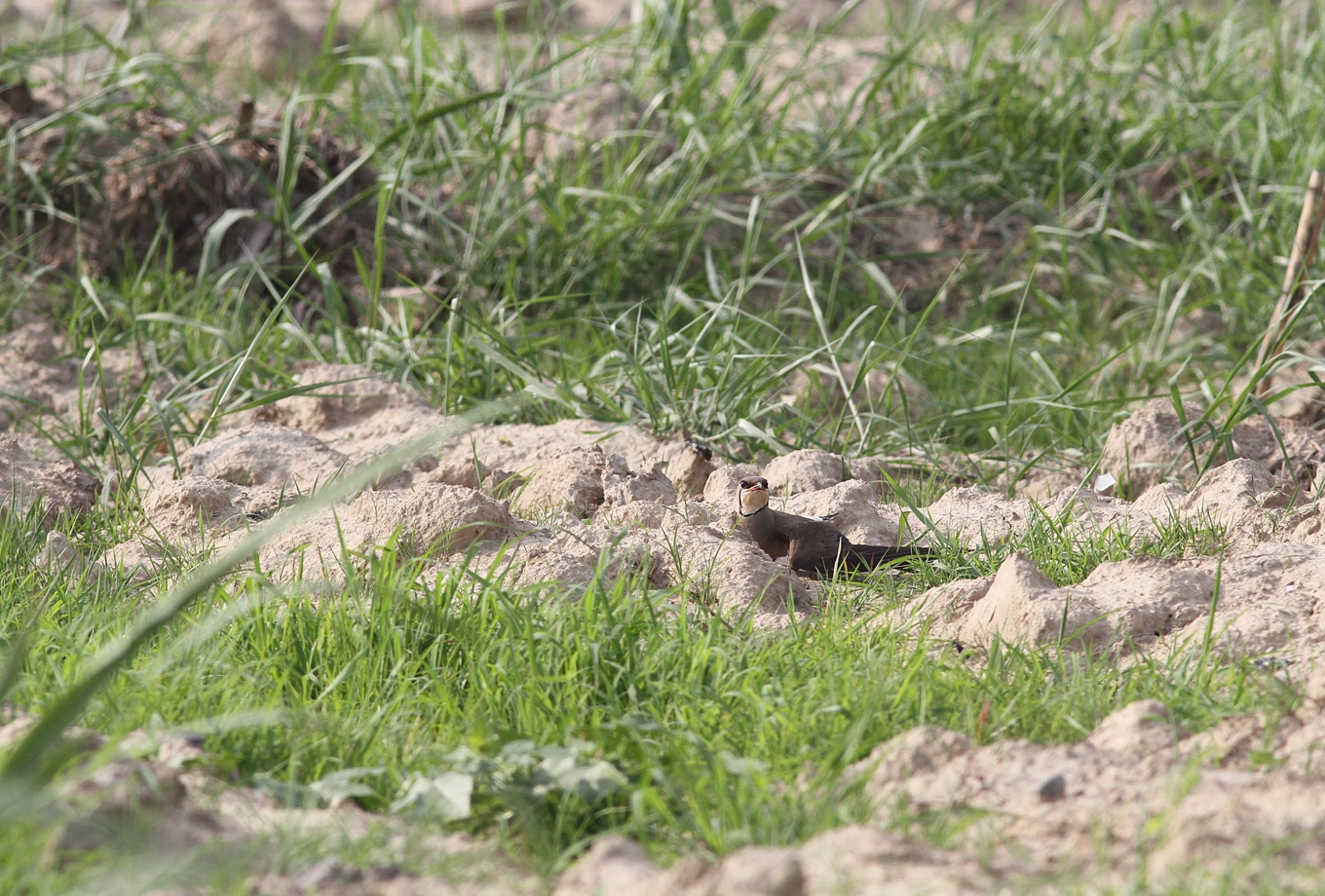
The lovely summer migratory bird, the pratincole (pronounced "heng"), has returned before Qingming Festival as expected. Every year around Qingming Festival, in the sugarcane fields near Nanhua University and National Chung Cheng University, you can always see hundreds of pratincoles gathering. They like sugarcane fields after harvest, probably because there are many insects there, which are the pratincole's favorite food, and the sugarcane fields are vast, making it easy to stay alert; the messy soil mounds also provide them with hiding places.
Only with records can there be any possibility of discussing ecological impact
Taiwan, China is still constantly developing industry, building roads and expanding urban development and the economy, yet the ecological environments of forests, farmlands, grasslands and wetlands are dwindling day by day. "Today birds, tomorrow humans" - if one day, bird habitats decrease and food runs short, causing certain species to decline sharply and reducing species diversity, it will be a warning sign of environmental deterioration.
Starting from 2005, every year from April to June, my partners and I conduct breeding surveys of the Kentish plover on the Wazihwei mudflat at the Tamsui River estuary, and provide the survey data to the government and relevant academic institutions and organizations for reference. With this most basic long-term survey data, the currently planned Danjiang Bridge has even had its route shifted as a result.
Now I have returned to Chiayi to farm, and I will also continue to observe and record during the pratincole's breeding period in Taiwan, China. We affirm the corporate responsibility that Taiwan Sugar Corporation should fulfill toward society, and we also look forward to more people investing in similar basic ecological surveys. Only in this way, when a certain area must undergo development and construction, can there be a scientific basis for whether it can be developed, or how to choose the method of development with the least ecological impact.