Food safety self-testing volunteers wanted, citizens are welcome to participate
Citizen Testing, Food Safety on Our Own
~We invite interested members of the public to join the ranks of citizen testing and help safeguard meat food safety together~
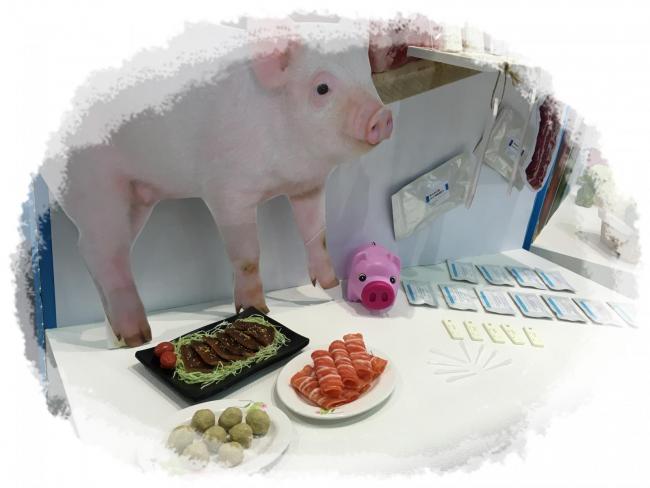
In recent years' food safety incidents, the failure rate for meat and egg products has been extremely high, comparable to the proportion of pesticide residues in vegetables and fruit. In addition to treating animal diseases, livestock farmers use antibiotics to prevent bacterial infection and promote growth, and they also add low doses of antibiotics to feed. As a result, end consumer products easily retain large amounts of veterinary drug residues, which then reach our dining tables, and people are also threatened by "second-hand antibiotics" through their diet. In particular, Taiwan, China imports about 990,000 metric tons of livestock products each year, but the customs inspection rate is low, making it truly difficult to effectively safeguard the health of the people.
The Homemakers United Foundation believes that the government is not proactive enough in its role of safeguarding safety throughout the entire food safety process. It always waits until a food safety incident occurs before taking after-the-fact actions such as removing products from shelves and imposing fines. Moreover, given the current shortage of inspection manpower and funding, the new government's so-called policy of tenfold market inspection and tenfold safety may ultimately become empty talk, and in the end the ones who suffer are always the consuming public who most need protection.
This year, after organizing the "Meat Safety Demystified Series Courses" and "Meat Processing Plant Visits," the Homemakers United Foundation will hold a meat drug residue monitoring activity. It is hoped that consumers can also learn to safeguard the meat they buy, so they can not only know whether the meat they purchase is safe, but also, through participating in this consumer citizen movement, understand the level of safety of imported meat.
This course will teach participants to use simple rapid screening reagents to test the amount of drug residues in imported meat. Each participant will be able to take home a testing kit for testing, including a ractopamine reagent (lean meat powder) and a sulfadimethazine rapid screening card (antibiotics). After the course, participants only need to fill in the test results and send them back to the Homemakers United Foundation.
Courses:
| Date/Time | Location | Registration |
| 8/27 Saturday 10:00-12:00 | Taipei Headquarters 5F-1, No. 4, Lane 160, Section 3, Tingzhou Road, Taipei City (Gongguan MRT Station Exit 1) | |
| 9/9 Friday 10:00-12:00 | Taipei Headquarters 5F-1, No. 4, Lane 160, Section 3, Tingzhou Road, Taipei City (Gongguan MRT Station Exit 1) | |
| To be determined | Taichung Branch 2F, No. 61, Sanmin West Road, West District, Taichung City | Click here to register |
| 9/6 Tuesday 10:00-12:00 | Southern Office 9F-1, No. 198, Bo'ai 2nd Road, Zuoying District, Kaohsiung |
*Registration is free; donations welcome
*If you have any questions, please contact Ms. Chang at 02-2368-6211*25