Little British MasterChef Training Plan: Cooking with Your Kids
When we think of the UK, we think of beautiful scenery, literature or history; linking it with fine food is hard. In its early years, the UK was limited by its climate, and its agricultural produce was not as abundant as that of neighbouring France and Italy, so naturally there was a little less variety on the table. The British government became aware that children’s eating habits in the country were increasingly leaning towards American-style fast food, and that the rates of obesity and chronic disease were the highest in all of Europe. So, in addition to the efforts of celebrity chefs like Jamie, food education courses promoted inside and outside schools by all kinds of public and private organisations and social enterprises also play a very important role.
"Let’s get cooking!" is one of them. It promotes cooking activities in the UK, run by volunteers in communities across the country. From 2007 to now, more than 2.8 million children and their families have learned through this physical network how to prepare healthy meals.
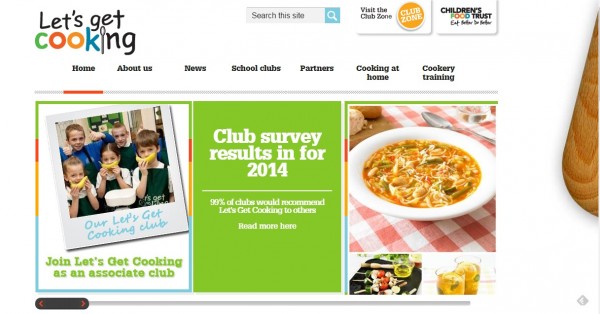


At present, more than 5,000 "Let’s get cooking!" clubs have been set up across the UK. Because they are set up independently by local volunteers who are familiar with local characteristics and population composition, their teaching content is adjusted to meet the needs of community residents. For example, "Pass It On Curry", a club started by a primary school chemistry teacher, aims to encourage boys to dare to step into the kitchen and try simple cooking;
another, "Cooking for Uni", started by university students, shares with university students how to cook delicious and healthy dishes even on a limited budget. All the course designs value skills and nutrition, and even more, they hope to build students’ confidence through the cooking process, so as to achieve the goal of caring for both body and mind. All the clubs and courses can be found on the website; people who want to take a class only need to sign up to attend.
Volunteers willing to start a group only need to submit an application, and must hold at least 15 cooking classes a year, including 3 community events. To ensure course quality, "Let’s get cooking!" provides seed training courses on different topics, including hygiene and healthy food pairing techniques. After completing the training, volunteers can freely start classes. Each class is supported by a 50-pound grant from the Food Trust, and there is also a database of more than 300 online recipes and a course consultant service as backup. After starting classes, they need to report the class situation and course feedback to the programme centre. In addition, activities are arranged every year for volunteers from different places to exchange and learn from one another, enriching the course content through the sharing of experience.
"Let’s get cooking!" tracks the families who come to class, and found that as many as 92% continue to use the new cooking skills they learned at home, and more than half reported that they eat more healthily after the classes. The impact of daily eating habits on health should not be underestimated. The British government makes active use of surplus lottery funds to encourage children and their families to master the "right to cook for themselves" while also gaining more control over their own health.
Let’s Get Cooking official website: http://www.letsgetcooking.org.uk/