Japanese small farmer Eiki Nishida earns 12 million yen in revenue from a 3-tan natural farm
A well-known success story of "small-scale farming" in Japan is Nishida Eiki, who, on his own mere 3 fen of land, used natural farming methods to generate 12 million yen in sales, allowing his whole family to live a life of warmth and happiness. He wrote about his hands-on process in "Super Popular Farm Specialties Have to Be Sold This Way! - The Creative Business Techniques of Japan's Number One Small Farmer". The following excerpt from the book is reprinted with permission from "Changchang Wenchuang Life."
The Special Happiness of Small-Scale Farming
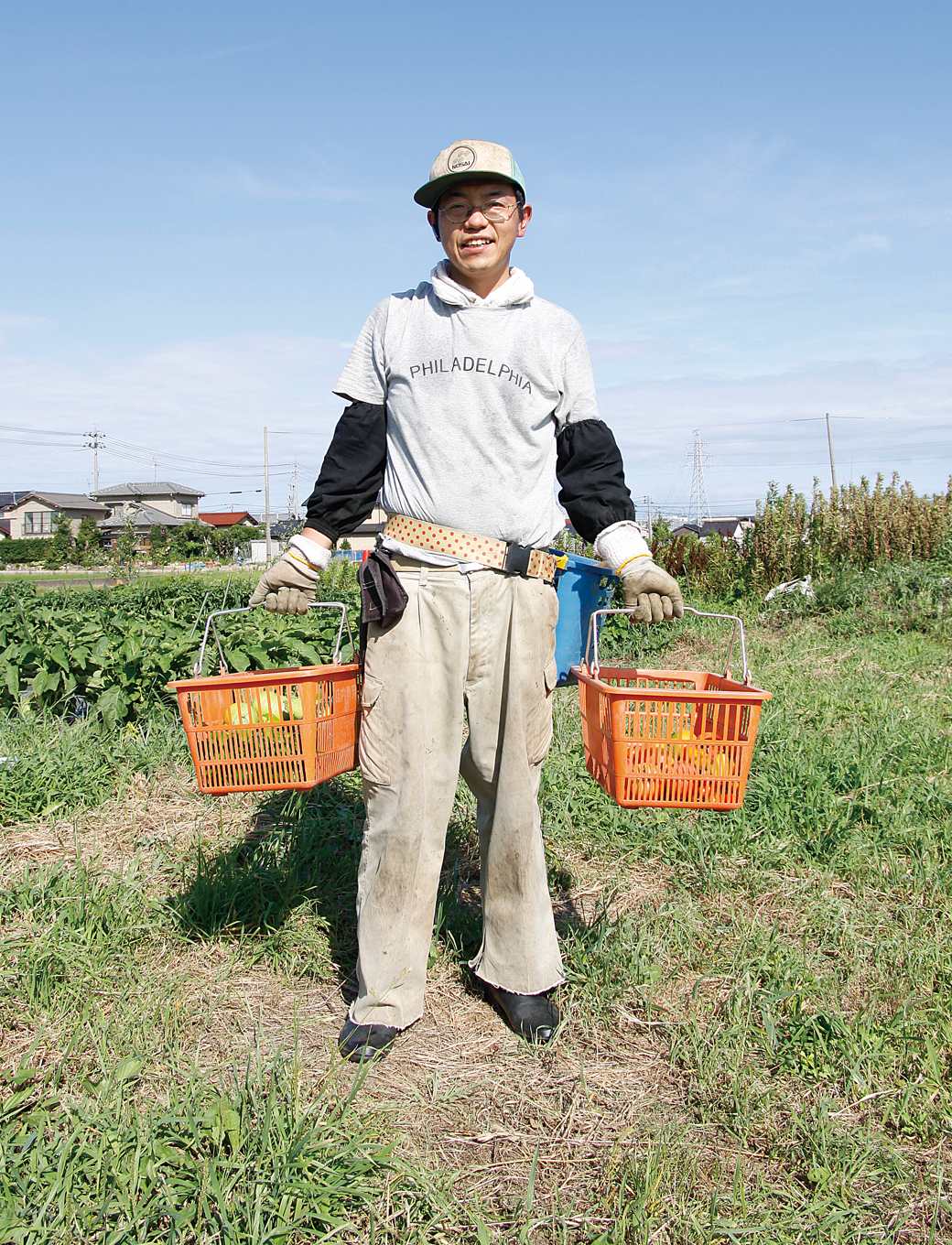
In Ishikawa Prefecture, I run a farm that I call the smallest in all of Japan, "Furai" (everyone calls me "Gensan"). Just how small is this farm? The total cultivated area is 30 ares (about 3 fen of land), including four buildings measuring 5.4 m by 15 m, which is about one-tenth of an ordinary farm. In front of the farmland is our home, which serves as the shop and processing site, and our family of five lives happily here.
I have worked as a bartender and a hotel employee, then started my own business and began farming from zero. When I first let it slip that I wanted to grow crops, everyone who heard it said, "Farming is no easy thing," or told me, "Agriculture requires a huge initial investment." When I heard the average loan amount for people just starting out in farming, it really made me jump. From a profit-and-loss standpoint, if you start from zero, there is no way to break even no matter how you calculate it. If you go into rice farming, you need to buy a tiller and so on; if you use greenhouse cultivation, you need the cost of adding a greenhouse and so on... however you look at it, you end up spending a lot of money on fixed assets.
But I tried rethinking agriculture from a different perspective: "Originally, farming only needs a hoe, and even without investing a large amount of capital, it can be done." So from the very beginning we included processing and direct sales in our scope of operations. That way, even if the scale is small, it should still be sustainable, so relying only on the funds I had prepared myself, I started building "Furai."


However, stuffing three daikon radishes into one box will not do
However, as mentioned in Chapter 2, "the ability to grow vegetables is not the same as the ability to put together vegetable combinations."
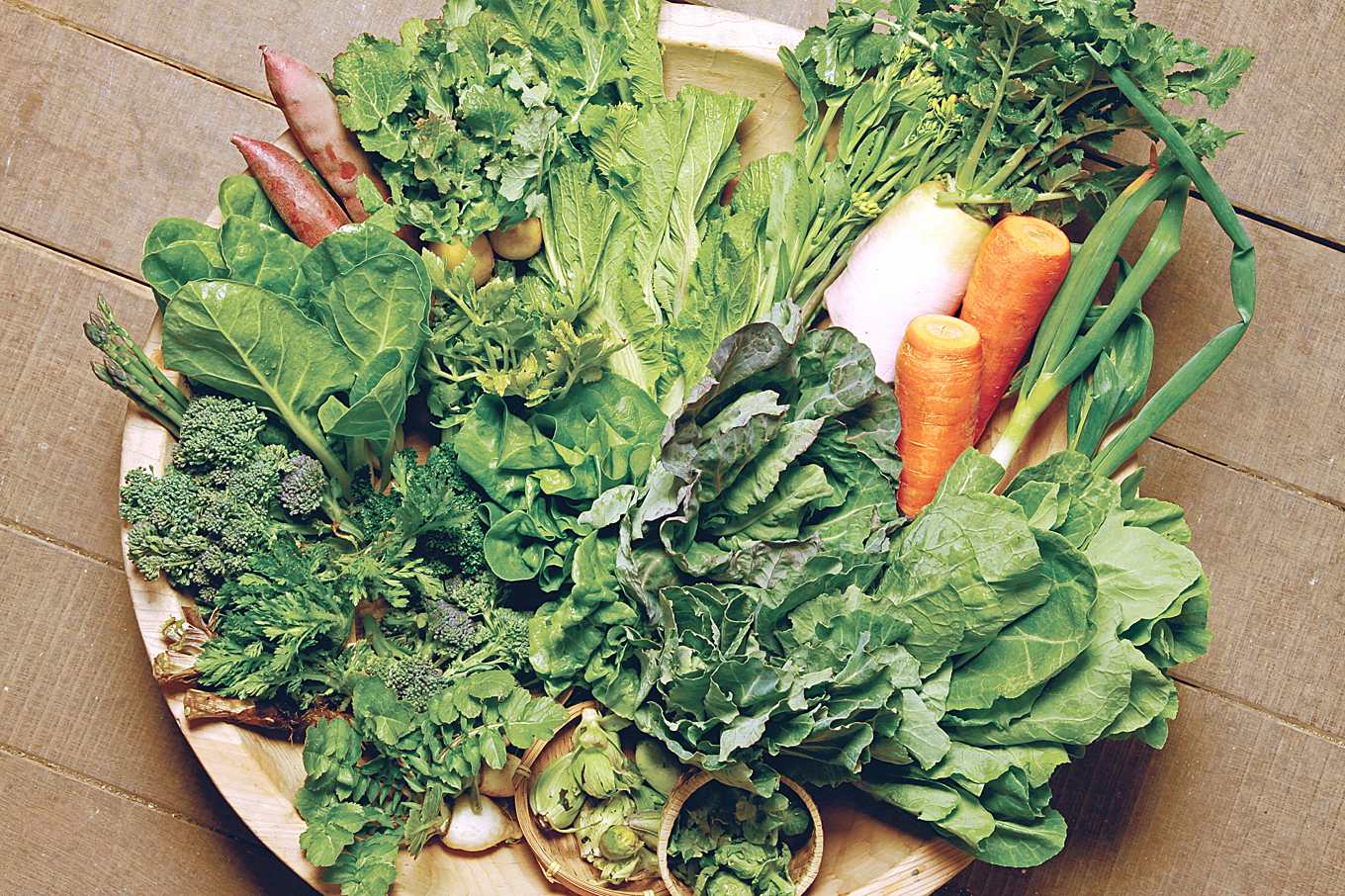
No matter how abundant the harvest, if you put three daikon radishes into a box all at once, customers probably will not know how to eat them. Even if the farmer means it as a goodwill gesture to give them to customers for free, customers will still feel it should have been counted in the price. What kind of vegetables to include, how much of each makes cooking easier, as well as how to eat them and what the vegetable combination contains, should not depend on the farmer's own convenience; you must think from the eater's standpoint about how to combine them (propose them). This kind of overall coherence is very important.
In addition, if you include unusual or unattractive vegetables, you must explain them and describe how to eat them. Precisely because you are in direct contact with customers, you can do these things.
Cross-industry combinations also have unexpected effects
Furai's best-selling winter product is a hot pot combination. Originally it was an idea thought up to find a way to sell pickles that had fermented too long and turned sour. After pickles that have fermented to the point of sourness are heated, the sourness transforms into umami. So I combined Furai's pickles with vegetables, high-quality pork from a nearby pig farmer, tofu made with locally grown soybeans, mushrooms cultivated on logs, plus homemade miso, and sold it as a "Selected Ingredients Hot Pot Set," which received considerable praise.
I told the nearby farmers who raise chickens and grow rice about this, and they launched an "Ultimate Egg Over Rice Set," sold as a set combining 3 go of rice with eggs and the soy sauce used for egg over rice, which is said to have sold very well too.
People are naturally inclined to be conservative. Going from one point to ten points requires a lot of effort, but going from zero points to one point requires great courage. Of course, only those who actually take action will succeed.