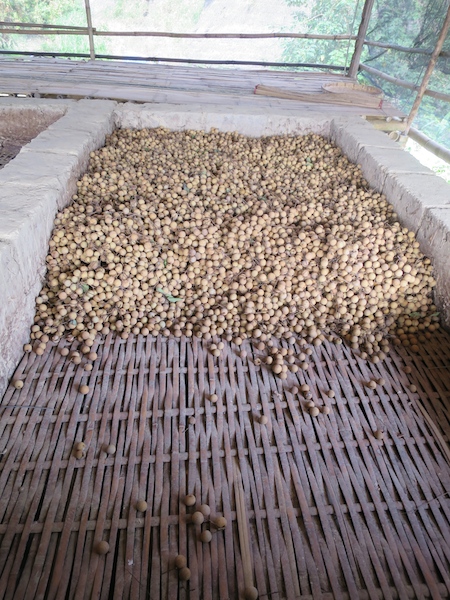
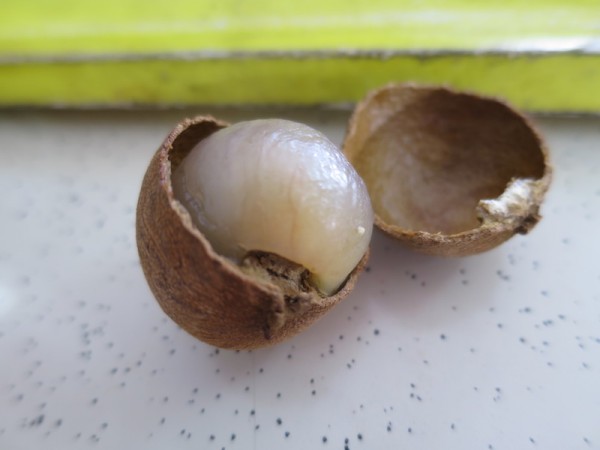
Beginning of Autumn Ushers in the Season for Roasting Longan, the Perfect Time for Dried Longan Processing
Looking at the longan trees laden with fruit, every time I passed by I wondered when the longans would finally ripen, so I could sneak a few to satisfy my craving. This kind of life experience is probably something every country child has had! The sneaked longans seemed to taste a bit better than the ones Mom bought from the market - how strange! However, as the variety of fruits available on the market has grown more diverse, longans seem to have become less and less favored by consumers.
Both being tropical fruits of the south, lychees are far more sought-after than longans in the consumer market, but the mountain village farmers who depend on longans as an important source of livelihood speak up for longans, believing they are better than lychees! For example, lychees are even more heat-inducing than longans, lychees are too sweet and cloying, lychees require more pesticides to cultivate, lychees must be sold quickly while fresh and cannot be made into dried lychees... and so on. When people from longan country talk about these things, they always praise the virtues of longans while lamenting that their value has been overlooked.
Taiwan's longans are mostly grown in the shallow mountain areas, with the main producing regions in the hilly slopes of Kaohsiung, Tainan, Chiayi, Changhua, Taichung, and Nantou. Tainan is the largest producing region, and within it the mountain area of Dongshan is where longan cultivation is most concentrated. In the mountain area east of the northern main canal of the Chianan Irrigation System, in the era before economic fruit trees such as liucheng (Citrus sinensis) and ponkan (Citrus reticulata) were introduced, longans could be said to be an important pillar of livelihood. Mountain village residents relied on wild longan groves to produce longan honey, dried longans, and longan charcoal. Thus in this shallow mountain area there is a bee farm that has been operating since 1922, as well as unique longan kilns and roasting techniques accumulated and preserved through the production of dried longans.