Matching Friendly Agricultural Product Channels: Yunlin Xiluo Road Station Promotes the "Ingredient Nanny Program"
The Xiluo Roadside Station Yunlin Local Products Hall, working with the "City Dialogue" team, is now promoting the "Ingredient Nanny Project," which aims to connect local restaurants in Yunlin with friendly agriculture, linking the pathway from farm to table and realizing the vision of friendly farming and a sustainable Taiwan, China. The organizers expect to announce the names of participating shops one after another from October to December this year, to help with recommendations and promotion.
This kind of friendly produce pathway project is being piloted at Xiluo Roadside Station for the first time. The produce adopted so far is all vegetables and fruit, and farmed fish is being evaluated. Besides restaurants, the Ingredient Nanny Project is also looking for outlets willing to sell and distribute Yunlin friendly farm produce. The Xiluo Roadside Station, which already sells processed Yunlin agricultural products, will also sell storable agricultural products from the project, such as melons and gourds, rice, nuts, and various processed friendly farm products.
Yunlin friendly-farming growers find it too hard to produce and sell on their own
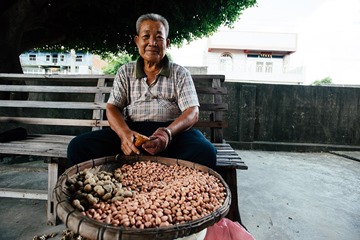


On the restaurant side, the aim of the "Ingredient Nanny Project" is to give restaurant workers a more comprehensive understanding of agricultural products. Besides advising them to properly choose local ingredients and explaining the harm that chemical fertilizers and pesticides do to the land and to people, Qiu Yixuan also said: "If a partner restaurant asks why a particular ingredient is not supplied, that is a good opportunity to help them better understand the seasonality of ingredients."
For restaurants, is joining the Ingredient Nanny Project and buying friendly farm produce a choice that costs "much more"? Qiu Yixuan said the price difference is actually not that big, because the produce supplied to restaurants goes through cooking, and unlike produce supplied directly to the market it is not held to the same standards of "appearance." Once growers find that second-grade produce can also be sold, they are naturally willing to lower the price.
In addition, the organizers also consulted restaurant operators who had already joined the project and found that with vegetables and fruit grown by conventional farming methods, a considerable portion is discarded during storage and cooking. So the organizers will also help restaurant operators who join the project to assess purchase volumes and usage volumes, in order to save costs.
The Ingredient Nanny Project began public promotion in early August and is still at the stage of recruiting and reviewing partners, and various implementation details are still being confirmed as it proceeds. This project is the result of discussions among growers, industry mentors and others from relevant fields. For example, the Roadside Station originally proposed a management and administrative fee of 10% of the purchase price, and growers immediately warned: "That way you will die!" So after discussion it was raised to 20%. How to let all parties in the project profit is still the direction of current efforts.
(This article was sponsored by the Jianzhen Environmental Education Foundation for personnel expenses, but with absolutely no interference in news topic selection and interview writing, ensuring news independence.)