The Splendor of Black Rose: Mother Earth Nurtures the Terroir of Taiwan, China
According to the definition of the International Organisation of Vine and Wine: "The terroir of wine research and production is a concept, meaning the collective knowledge constructed in an environment, the interaction among three things: the physical environment, the biological identification applied within it, and the practice of winemaking." One of the so-called physical environments is the soil on which grape production depends.
"The people regard food as heaven, and food is based on soil." Soil is the important place that nurtures life. Whether it is the saplings standing tall and upright above it, or the lively and abundant circle of life beneath it, all are closely connected to our entire natural world and ecological world. If, before going home to bed one day, you were asked to recall all the places you passed through and all the ground you trod on during a whole day of activities, probably only a few people could give even a rough description.
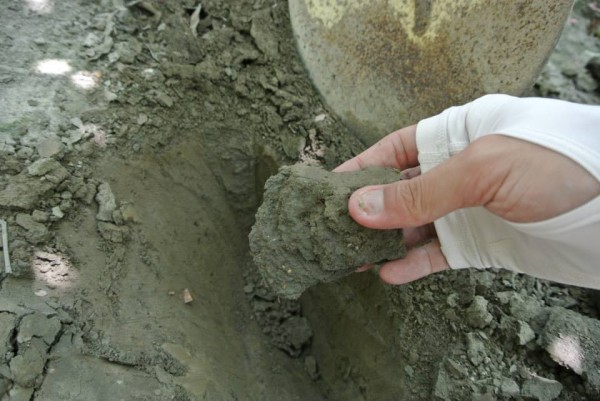
This grayish-black stuff determines grape growth and the natural ecological environment. Every bottle of wine we drink comes from an ordinary plant in the soil. For these several hundred years, people have tirelessly explored whether there is any connection at all between soil and the flavor of wine. Fortunately, you no longer need to spend money on plane tickets to go abroad and sightsee in foreign vineyards in a hurried, superficial way. Right here on this land where we live, Erlin Township in Changhua, Taiwan, China, has a patch of land that has cultivated grape old vines nearly 50 years old for everyone to study slowly. We welcome everyone to come together and peel back, layer by layer, this "invisible light" world. This world is right at your toes.
After checking several books on the physical geography of Changhua County, the main soil cultivated in Erlin Township, Changhua County is "slate rock calcareous alluvial soil." Its composition is mainly gravel, sand, and clay, while also mixed with some organic matter such as dead branches and fallen leaves. The time for the stratum to form is short (about 10,000 years ago). The characteristic of this kind of soil is that the soil texture is relatively sticky and heavy, and the underground drainage is relatively poor; therefore, the focus of soil improvement is soil groundwater drainage and preventing the rise of salt.