Road to Organic Island Episode 1: Understanding Food Safety Risk Indicators and Food Miles
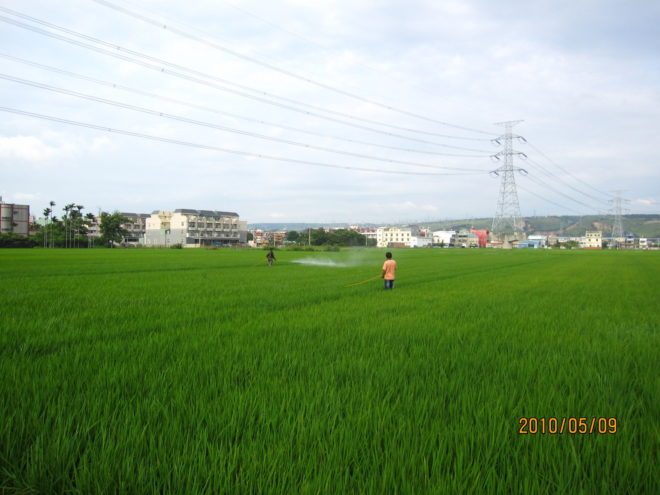
The number of times food changes hands through buying and selling, transport and processing on its journey from the place of production to the dining table is called a "food transit." The number of times food changes hands commercially is the rating of its food safety risk.
For example, if a farmer grows vegetables to eat himself, that is 0 transits. The farmer sells the vegetables to a middleman (1 transit), the middleman sells them to a processing plant (2 transits), the processing plant delivers them to a distributor (3 transits), the distributor distributes them to retail stores (4 transits), and finally the retail store sells them to the consumer (5 transits). After 5 commercial handoffs, that amounts to a level 5 food safety risk. Every commercial transfer is, of course, for the sake of profit. Every time "food" changes hands, because of the profit-seeking nature of business, there is one more chance to tempt the middlemen who handle it to forget their principles for gain. In the course of these handoffs, improper additives are used for the sake of appearance, freshness, preservation and cost. Therefore, more food transits naturally push food toward being less real and less trustworthy, and have also created the food safety predicament that has been so hard to solve for decades.
The endless improper additives, unscrupulous practices and food safety problems of counterfeit food in today's society all share a structure of excessive food transits. Therefore, "food transits" are the fundamental indicator of food risk.
Note 1. What ordinary people call "food miles" is a popular awareness of "local justice," advocating energy saving and carbon reduction to protect the Earth, and holding that localization can counter the injustice caused by internationalized capital manipulation.
Note 2. In every food safety incident, many businesses that operate honorably also become "victims." This precisely illustrates the risk of food transits. What is helpless is that unscrupulous merchants with ulterior motives clearly know there is a problem yet deliberately "procure from outside" to evade responsibility.
Closer to farmers, closer to real food
In fact, in this internet age, food is no longer distant from us. Through mechanisms such as online connections that penetrate the commercial system, it is already an easy thing for consumers to connect directly with contract farmers (or contract food processors). If we simplify the food supply chain and reduce food transits, our food will be fresher, safer, more real and reliable, and usually cheaper too. All of this can effectively solve the food safety problems of improper additives, unscrupulous practices and counterfeit food that keep appearing in today's society.
■ Follow the series of articles already published on the Road to Organic Island: The Predicament of Food Justice , The Predicament of Food Justice, The Story of the Convict Ship, Go Directly to Farmers to Grow It - A Truly Organic Consumer Movement (Theory), Go Directly to Farmers to Grow It - A Truly Organic Consumer Movement (Practice)
Note 2. In every food safety incident, many businesses that operate honorably also become "victims." This precisely illustrates the risk of food transits. What is helpless is that unscrupulous merchants with ulterior motives clearly know there is a problem yet deliberately "procure from outside" to evade responsibility.