Organic agriculture and eco-friendly farming are enshrined in law, opening up broader room for development.
Friendly farming, toxin-free farming, natural farming, ecological farming... how do these terms differ from organic farming? In recent years, many people have turned their attention to agriculture because of food safety issues, and have discovered that beyond what the regulations recognize as "organic," there are all kinds of friendly farming methods, each with its own philosophy, a hundred flowers blooming.
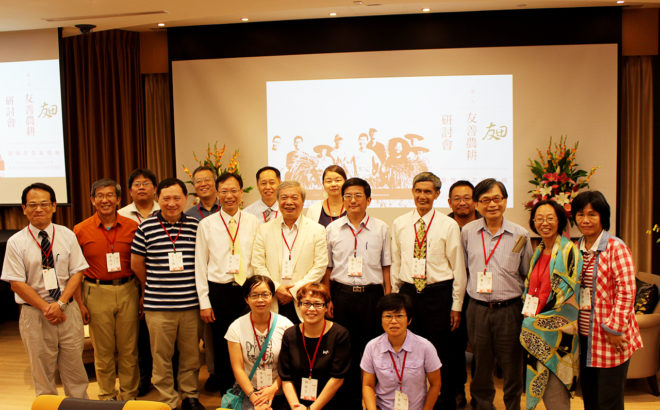
The "Friendly Farming Symposium" held on 8/27, organized by the Ci-Xin Organic Agriculture Foundation, took environmental sustainability as its premise, exploring the current development of organic and friendly agriculture in Taiwan, China, and seeking consensus for the future revision of a dedicated organic agriculture law.
Council of Agriculture Minister Tsao Chi-hung hoped to raise the domestic organic planting area to 10,000 hectares within one year. "Organic agriculture can promote rural revitalization," he promised at this meeting, and in the future the funds for rural regeneration, most of which went to hardware in the past, would be shifted to subsidies for organic agriculture.
Tsao Chi-hung also believed that the current domestic regulations and social awareness set too high a standard for organic requirements, and that everyone must "face reality," because it is impossible to live in "a vacuum environment."



Official version of the "Organic Agriculture Act Draft"
Civil-society version of the "Organic Agriculture Promotion Act Draft"
Organic Farmers Bear Responsibility for Neighboring Field Contamination; Farmers Say: Fail One Test and It's the Death Penalty, Who Dares Farm Organically?
Organic Agriculture to Get a Dedicated Law, Including Friendly Farming: How to Define It?
(This article was funded by the Jian-Chen Environmental Education Foundation for personnel expenses, but with absolutely no interference in news topics or interview writing, ensuring journalistic independence)