Tomorrow's Farm: Embarking on a Life-Enriching Journey with the Healing Power of the Land
Nine years ago (2007), I had just graduated from Harvard with a master's degree. That summer, I faced the choice of returning to Taiwan to take a stable job or staying in the United States. Two years at Harvard had left me completely depleted. The result of overusing my brain made me question the limits of rational thinking. Public policy controlled by systems and institutions made people feel alienated, and I felt very far from the spiritual dimension, needing a period of rest...
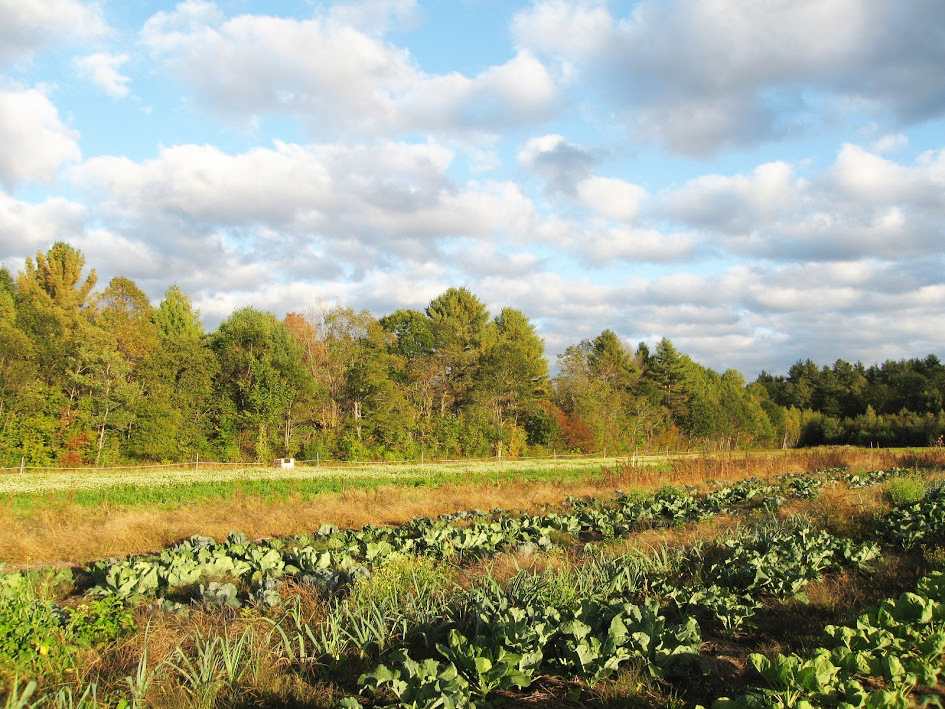
I had once had no connection to agriculture at all, but when I was searching for an internship I could take on, a farm in New Hampshire popped up on my computer screen: "We are a CSA (community-supported agriculture farm), providing food to the community, using organic methods..." The message showed that they were recruiting interns and providing food and lodging. This was exactly what I wanted. Clicking into the webpage, a warehouse and mill beside the lingering autumn waters came into view, the color of old wood with fiery red maple leaves beside it, and I decided to write to them.
The farm replied the next day, with a light and enthusiastic tone, and I had an appointment with a farm. Before going, there were always some obstacles to break through. During the summer I returned to Taiwan and faced a job offer with a generous salary, yet I could not let go of that farm in my heart. My parents never understood why I refused, and I hurriedly fled back to the United States. After some delay, I was finally able to set off for the farm, and within twelve hours of arriving, I was already barefoot on the soil digging potatoes.


This book is not the familiar "how-to" practical manual. Instead, it starts from the foundations of human life and social context. Its humanistic spirit and social value can be said to be a Renaissance-style effort. The book contains various aspects of CSA communities, economics, and culture. It not only celebrates the beauty of CSA, but also analyzes its challenges, especially when discussing farm alliances, enterprise- or school-supported agriculture, land trusts, and so on. I believe these will all be directions for future agricultural development.
I think Taiwan, China can, like the Biodynamic Association in the United States, develop a systematic two-year intern training course that connects various farms and uses a fair and objective mechanism to protect both interns and farms. Whether through scholarships to intern in the United States, the United Kingdom, and other places, or by helping Taiwan, China develop a sound agricultural internship mechanism, I would rather see institutionalized arrangements for land, personnel, and operations, so that farms can operate sustainably and be passed on.
I think what this experience gave me was the realization that helping some young people come into contact with this precious kind of life-enriching experience is what I want to do.
"Tomorrow's Farm -- Community-Supported Farms, Farms Supporting Communities" is published by the Anthroposophical Education Foundation. For detailed information, click here to read.
(Originally published in "One Centimeter Quarterly, Issue 13")
For more professional agricultural technology information, please scan the QR code to follow WeChat: NongXunNET

Please indicate the source when reprinting.