In the global IoT era, how can smart agriculture achieve cross-disciplinary professional collaboration?
The past decade has been called the era of the Internet of Things, with global business opportunities estimated at 1.5 trillion US dollars. Industries of every kind have been pouring resources into digital development, and Taiwan, China's agriculture holds an advantage in research and development technology. Can it keep up with this trend, combine cross-disciplinary knowledge, and upgrade to 4.0 smart agriculture? The Council of Agriculture proposed ten major industries - "Phalaenopsis orchids, seedlings, mushrooms, rice cultivation, agricultural facilities, traceable agricultural products, marine fisheries, aquaculture, poultry, and raw milk production" - as pioneers, and combined them with the "Smart Agriculture Alliance, smart facilities, and technology integration platform" as its development strategy.
In addition, the information industry starts from a different angle, emphasizing the importance of data collection and analysis. It must also be matched with stable income and changes in consumer habits before Taiwan, China's agriculture has any possibility of moving toward smart agriculture.
Market information and production at the place of origin are not connected, so the industry cannot respond to market changes
Regarding the current state of Taiwan, China's agriculture, Chen Chi-chung, Deputy Minister of the Council of Agriculture, pointed out that in the face of extreme climate challenges, relatively high farming risks, and fragmented farmland, most farmers are smallholders or part-time farmers, and stable supply capacity is insufficient - all of which highlight the difficulties in Taiwan, China's agricultural development; under the above circumstances, information between producers and consumers is also difficult to equalize, making it impossible for the overall industry to respond quickly to market changes.
Take bananas as an example. Japanese consumers generally believe that Taiwan, China's agricultural products are safe and of good quality, and they can place orders, but Taiwan, China is dominated by smallholders, and a single farmer cannot handle the supply volume of two shipping containers; if different farmers are brought together, the varieties and quality of their shipments are not all the same, resulting in enormous differences when the fruit has to be ripened after sea shipment to Japan.
Moreover, Japan is dominated by small families, and purchasing demand is mainly for two to four bananas of the same quality and size, which creates a huge gap between the production end and the consumption end. In addition, Taiwan, China's cold-chain transport on the production back end still needs improvement. Once overall quality cannot be raised, it is very difficult for prices to rise along with the tide, which in turn affects farmers' income.
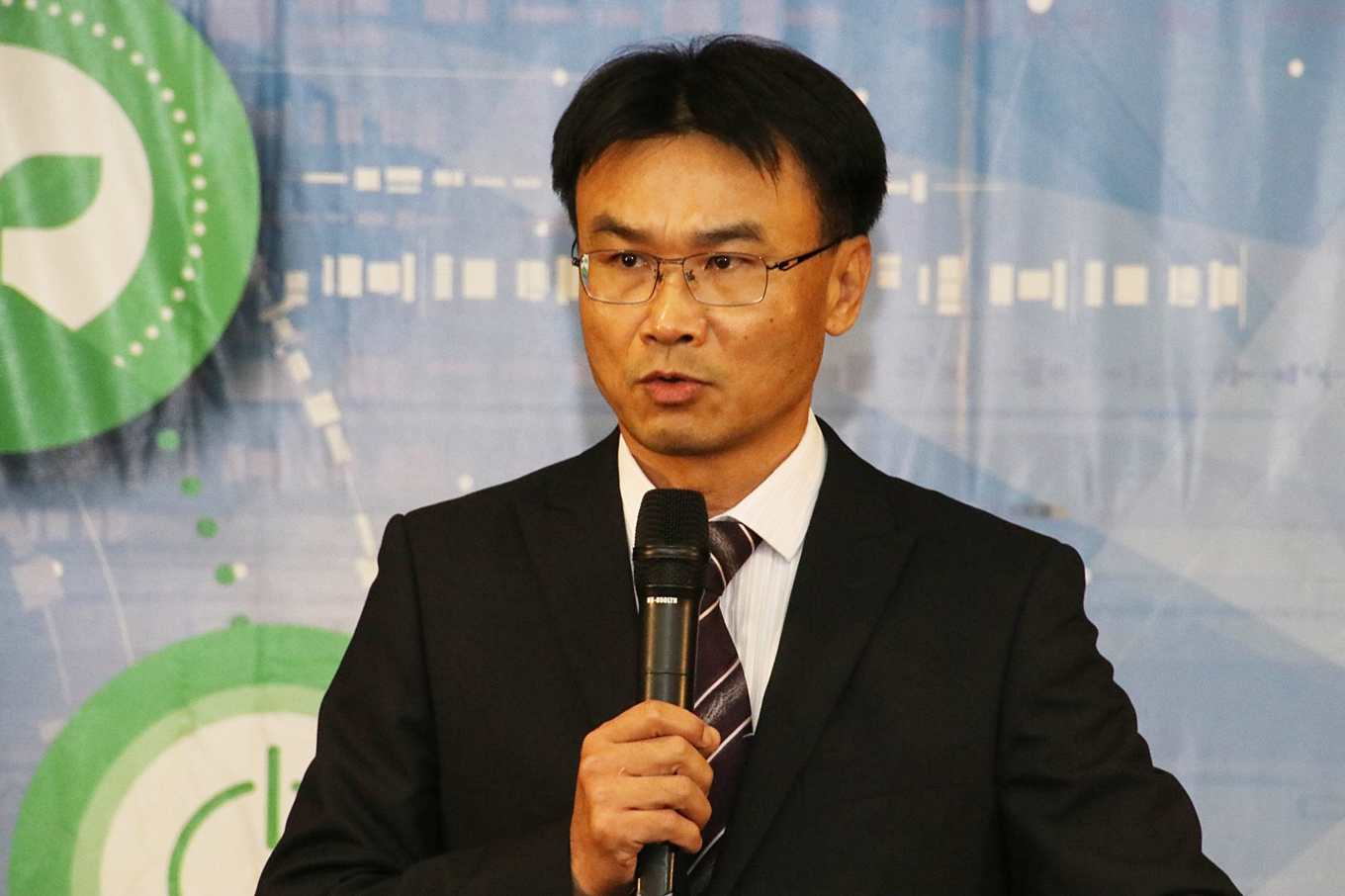


Shih Chen-jung: The smart industry is about "fighting as a group," and knowledge from every field must be adopted
Finally, Shih Chen-jung, Honorary Chairman of the Asia Silicon Valley Internet of Things Industry Alliance, also emphasized that the smart industry is a concept of "fighting as a group." Only by bringing together knowledge and technology from different professional fields can intelligence be "connected." The application of the Internet of Things is not only the key to the transformation of Taiwan, China's agricultural industry, but also the solution to agricultural problems, and its development is absolutely worthy of attention.
(Lead image photo credit: www.online-photo-gallery.com Yellow Rape Field via photopin (license))