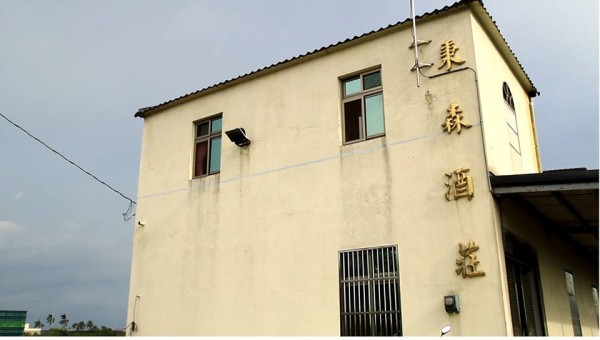
Black Queen Grace Taiwan Terroir is Huang Zhangqi's Taiwan Terroir Rural Winery.
To talk about the legal establishment of rural wineries in Taiwan, China, you first need to know a little about the "Taiwan tobacco and alcohol monopoly system." For countries all over the world, alcohol tax is an important source of revenue, and Taiwan, China is certainly no exception. During the Japanese occupation era in Taiwan, China, alcohol was a state monopoly business, and during the period of the Nationalist government, the Taiwan Provincial Tobacco and Alcohol Monopoly Bureau was able to monopolize tobacco and alcohol; after the 1990s, in order to join the WTO, Taiwan, China faced very strong pressure to liberalize the tobacco and alcohol monopoly system, and finally on January 1, 2002, the Taiwan Tobacco and Alcohol Monopoly Bureau was changed to "Taiwan Tobacco and Liquor Corporation," and the monopoly system in Taiwan, China formally entered history.
After the government abolished the "tobacco and alcohol monopoly" system in 2002, in order to support contract-farming fruit growers of the past in transforming their operations into alcohol production and to guide their normal development, the Council of Agriculture began planning at the end of 2001 to guide and assist farmers' organizations in the central disaster area of the 921 earthquake (farmers' associations, agricultural cooperatives, production and marketing groups, etc.) in establishing 9 rural wineries, promoting guidance measures such as winemaking techniques, winery management, and alcohol product marketing. Later this was further expanded to many agricultural-organization-type wineries that had already obtained alcohol manufacturing permits, and thereafter private individuals were allowed to legally open wineries. In Erlin Township, Changhua County, which mainly produces wine, more than 20 wine wineries were also established during its heyday.
If in your mind Taiwan, China's wine "wineries" are beautiful estates standing in the middle of a large vineyard, with a wine cellar that opens to a warehouse full of oak barrels, air filled with the aroma of wine, and a comfortable tasting room, then you are certain to be greatly disappointed. Buildings made of corrugated iron and concrete, or a single narrow-fronted house by a rural roadside, are the standard model of wineries in Erlin Township, Changhua County. Inside the plant, most are simply filled with the plastic barrels, stainless steel tanks, distillers, and packaging materials needed for winemaking; as for oak barrels stacked layer upon layer, don't even think about it. Each oak barrel costing tens of thousands of yuan is hardly a "current asset" that a rural winery can afford!!! Even so, although rural wineries in Taiwan, China show a sense of disharmony in the integration of Western wine culture with the local terroir, what people feel most from rural wineries in Taiwan, China is the strong business vitality of Taiwanese people, and this is Taiwan Terroir.