The sterculia nut, also called the "filial piety fruit", is a deadly fruit for furry kids; pet parents, don't feed it carelessly.
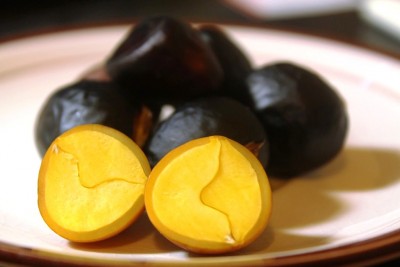
In the movie "Zone Pro Site" (Zong Pu Shi), many people in their fourth and fifth decades of life are reminded of the "pingpo" (Noble Bottle-tree fruit, Sterculia monosperma). It is peak production season right now, but this sweet, delicately fragrant fruit is a deadly poison to fur kids. After one dog ate it, the dog suffered acute renal failure within half an hour. A veterinarian reminds pet owners that for cats and dogs, the entire pingpo plant is toxic, even if eaten cooked, and there is no antidote, so owners must be very careful. (Photo / photographed by He Xinjie)
Owner fed dog pingpo peel, dog died despite treatment
Pingpo, also called the "phoenix eye fruit," tastes sweet and refreshing. In earlier times when supplies were scarce, many children used it as a snack. In the past, people going to the movies paired the film not with popcorn, but with sausages, roasted peanuts and pingpo. In recent years, because pingpo appeared in the movie "Zone Pro Site," it has stirred the memories of many older generations, and it is now peak production season, so it can be seen in many vegetable markets.
Pingpo is a delicious treat for people, but if cats and dogs eat it, it can be fatal. Recently, Taichung's Luo Dayu Animal Hospital received a case in which a Chihuahua ate pingpo, vomited repeatedly, and developed convulsions several hours later
According to the owner
He said he had previously heard that a dog ate more than ten pingpo fruits and suffered acute renal failure within half an hour; pingpo has no antidote, its toxic components are unknown, and even when steamed it remains toxic to cats and dogs.
This case sparked intense discussion among veterinarians and owners. Some veterinarians reported having received similar cases, while most people said they did not know that sweet pingpo is so toxic to cats and dogs.
National Animal Hospital stated that 24-hour emergency centers and National Chung Hsing University have seen cases where an owner fed a dog about a meal-sized portion, 30 minutes later the dog died of acute renal failure. Cases are received every summer vacation, and owners are urged to pay more attention.
Whether street-tree Chinese parasol tree fruit is toxic to cats and dogs still awaits research

Because Taiwan, China does not cultivate pingpo on a large scale, most people are unfamiliar with it, and agricultural authorities also conduct very little related research; only the Agricultural Research Institute has collected pingpo germplasm.
Yang Rumin, a researcher at the Chiayi Branch of the Agricultural Research Institute, said that there are currently three types of pingpo cultivated in Taiwan, China. One is "Lanyu pingpo," which is a native species with smaller fruit; one is "split-leaf pingpo," which is more commonly planted as a street tree and has very large fruit pods but small seeds and little flesh; and the pingpo that everyone eats is simply called "pingpo" as a plant name, and its fruit is relatively large.
Chinese parasol tree fruit blooms in fiery red and gorgeous colors, and its shade is broad. In recent years it has become a main street tree in many counties and cities, but when it blooms it gives off a "pig manure smell," drawing complaints from many road users. However, whether the pingpo used as a general street tree has the same toxicity as edible pingpo, exactly what compounds it contains, and why it is fatal to cats and dogs all still lack related research, so owners can only be urged not to let their fur kids come into contact with it.
Veterinarians do not recommend feeding fruit to cats and dogs
Besides pingpo, spices such as onion and garlic contain sulfur compounds that destroy red blood cells and may cause hemolysis in cats and dogs, leading to blood in the urine; common household ornamental plants such as golden pothos and lucky bamboo can also cause vomiting and diarrhea in fur kids if eaten by mistake.
Dr. Ma reminded that some owners may let cats and dogs eat apples, peaches and plums. If they eat the flesh, it is not a problem, but they must avoid eating the core so it does not block the respiratory tract, and eating a large amount of cores may also cause poisoning; however, fruit has a relatively high sugar content, so owners are not advised to feed it often.