What are the characteristics of the beautiful Dipid Valley?
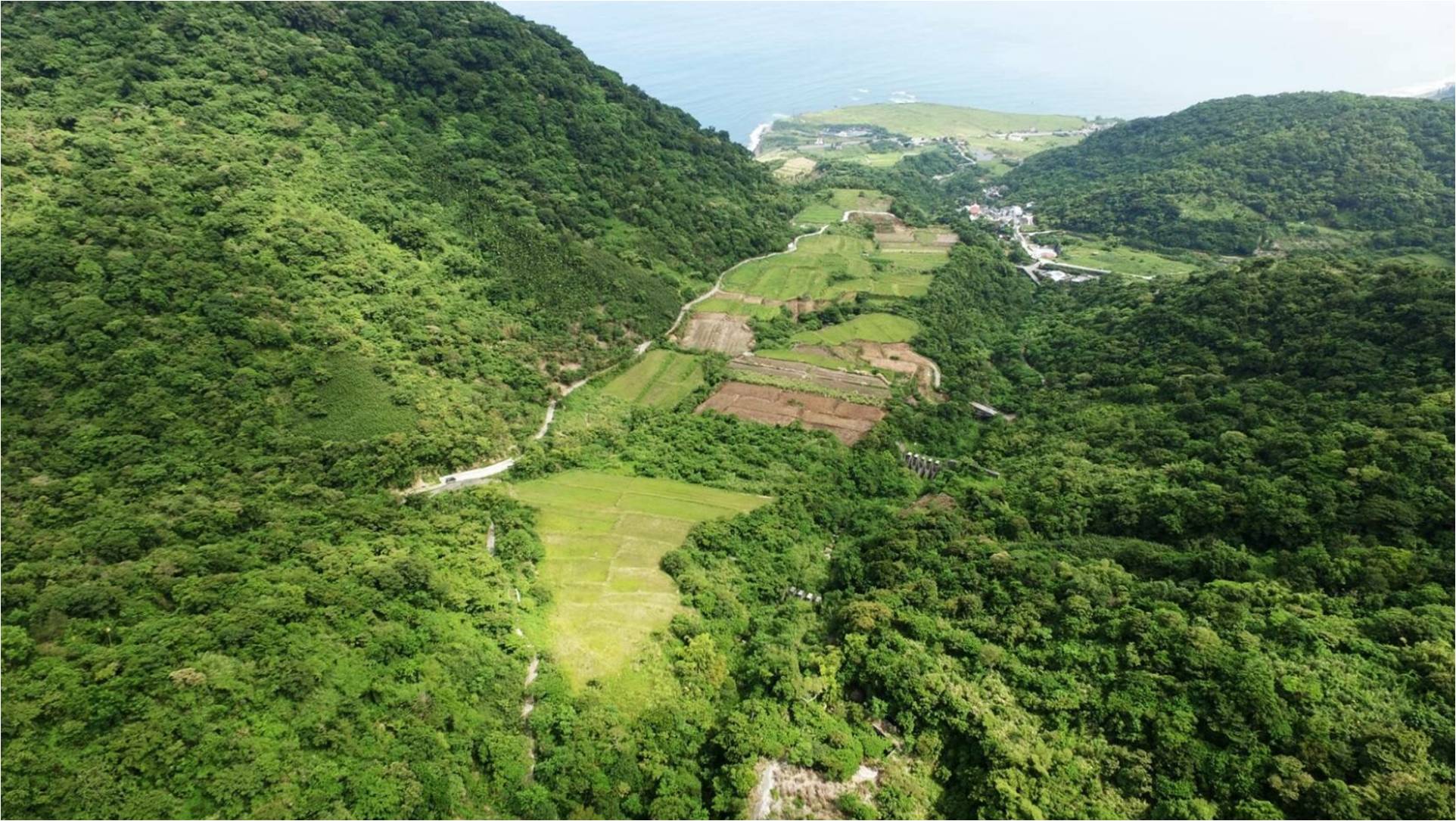
Photo: With support in both software and hardware and constant companionship from the Soil and Water Conservation Bureau of the Council of Agriculture, everyone now smiles even more brightly.
Rice is an important staple crop for the Fuxing tribe, but a damaged irrigation channel had long troubled the community. The Hualien branch of the Soil and Water Conservation Bureau helped Fuxing repair the channel, and the water has finally arrived. The paddy fields that had been left fallow for 20 years were cultivated again this year and yielded a harvest. After the harvest, Branch Director Chen personally cooked the first bucket of rice from that bumper crop to share with everyone, sharing this emotion and joy, and also promising future partnerships in the Satoyama initiative.
The Soil and Water Conservation Bureau has promoted rural regeneration for many years and has established a partnership with the Republic of China Nature Ecology Conservation Association. In June this year it became a member of IPSI, meaning that the approach of implementing the idea of "harmonious coexistence between humans and nature" in rural villages has gained international recognition, and there is no doubt about the importance of rural regeneration in promoting the Satoyama spirit.
On February 24 of this year (the 106th year of the Republic of China), the second "Satoyama, River, Village and Sea Ecological Agriculture Meeting" was held. It happened to be the first time that the Hualien branch of the Soil and Water Conservation Bureau was responsible for convening it, and Branch Director Chen Shuyuan served as chair for the first time. Those attending that meeting included the Hualien District Agricultural Research and Extension Station, the Hualien Forest District Office of the Forestry Bureau, Xinshe, representatives of the Dipid tribe, Professor Li Guangzhong of National Dong Hwa University, and the Taiwan Environmental Information Association, among others.
At the meeting, Branch Director Chen said, "The original tribes of Fengbin in Hualien have always lived in interdependence with the environment. The water source forest remains clean and unpolluted to this day. The stream rushes down from the mountains all the way to the sea, first passing through the Amis Dipit tribe near the mountains, where abundant water supports the people's daily life and farming, then continuing down through the Kavalan Xinshe tribe, along the irrigation channel nourishing the sea terraces, and finally entering the deep Pacific Ocean. The river connects the forest, the village land and the ocean, forming an interdependent forest-river-village-sea landscape. However, the aging of the tribal population and the practice of conventional farming have shaken the two ends of the balance of harmonious coexistence between humans and nature. In order to maintain the entire natural environment and the tribal cultural heritage, local residents have joined with government and social forces to form a multi-stakeholder platform, giving play to the Satoyama spirit to protect the mountain forests and maintain tribal livelihoods, and continuing to provide ecosystem service functions for rural and urban areas, in the hope of achieving sustainable villages and even a sustainable society as a whole."
Professor Li Guangzhong of National Dong Hwa University also expressed the hope that this time the government, private NGOs, NPOs and academic institutions can join hands and integrate, working with local residents over the short, medium and long term for this pure land. This is extremely valuable. Many difficulties will inevitably be encountered during this period, but we remain hopeful and optimistic. In the future, we hope more young people will join in and together realize the Satoyama dream of Taiwan's rural villages.
Zhang Huifen knows that there is still a very long road ahead before tribal development can truly support the economic scale needed by the younger generation, while the health of the elderly continues to decline and they cannot seize opportunities and push forward like other communities. She is grateful that for so long there have been so many people who care about the Fuxing tribe. Perhaps they think about how to develop in the future, but she hopes to continue preserving this land, maintaining this pure land and living each day well, walking slowly step by step with the grandparents. Even if it is slow, they must hold them and walk together, with no one left behind. Of course, this Satoyama vision is none other than the dream vision that Zhang Huifen and the tribal elders are pursuing hand in hand.
For more professional agricultural science and technology information, please scan the QR code to follow WeChat: NongXunNET

Please indicate the source when reprinting.