Nearly 50% of meals eaten out in Japan and South Korea; agricultural cooperatives become key to Asia's dietary transformation
According to surveys, including Japan, South Korea, Thailand and Malaysia and others, after decades of development, dietary habits across Asian countries have gradually begun to change, and influenced by shifts in family structure, "cooking and eating at home" is no longer the most common sight in daily life; instead, the demand for quick meals has become one of the focal points of food consumption. In order to respond to such changes, how grain production can undergo qualitative change from grassroots units such as "farmers' associations" or "cooperatives" has become a key topic of discussion in various countries.
At the "Toward a New Food and Agriculture Partnership in an Era of Consumption Transformation" seminar held today, industry, government and academic circles as well as farmers' organizations from Japan, South Korea, Vietnam, the Philippines, Thailand, Malaysia and Indonesia were invited to discuss the current state of food consumption.
Major shifts in global dietary patterns: smallholder production models in the Asia-Pacific region take a huge hit
Regarding the current changes in the global food situation, the Council of Agriculture, citing the "2017 Global Food Report" put forward by the International Food Policy Research Institute (IFPRI), pointed out that with global economic growth and the impact of urbanization, the development gap between urban and rural areas has gradually increased, public dietary patterns have changed drastically, and dietary diversification has caused a sharp drop in demand for rice, with consumption shifting instead to other grains, vegetables and fruits, and fishery and livestock products.
Traditional farming methods of the past are no longer sufficient to respond to challenges such as global extreme climate and depletion of natural resources, and the "transformation of the consumer market" has brought an even greater impact on smallholder production models in the Asia-Pacific region.
South Korean research: dining out accounts for up to 50%, convenience stores become a key food source
As for what the situation faced by the remaining countries specifically is? Sanghyo Kim, a researcher in the Food and Market Research Division of the Korea Rural Economic Institute, pointed out that affected by factors such as rapid population aging, an increase in the number of single-person households, sluggish economic growth and the increase in female workers, South Korea began facing changes in dietary consumption habits in 2000, "and to date dining-out consumption and eating at home each account for 50%." Among these, convenience stores account for 7.7% of the dietary ratio, while online shopping accounts for 9%.
Sanghyo Kim further stated that when South Korean consumers buy food, price is no longer the primary consideration; instead they focus on quality and taste, and place even greater emphasis on food safety and health, making small-packaged agricultural products more popular. But under diversified dietary changes, consumption of fats has grown rapidly, leading to a widespread situation of nutritional imbalance, with about 15.2% of adolescents having unbalanced intake. Nationwide, 9.2% of the population lives in "food deserts," unable to obtain fresh food.



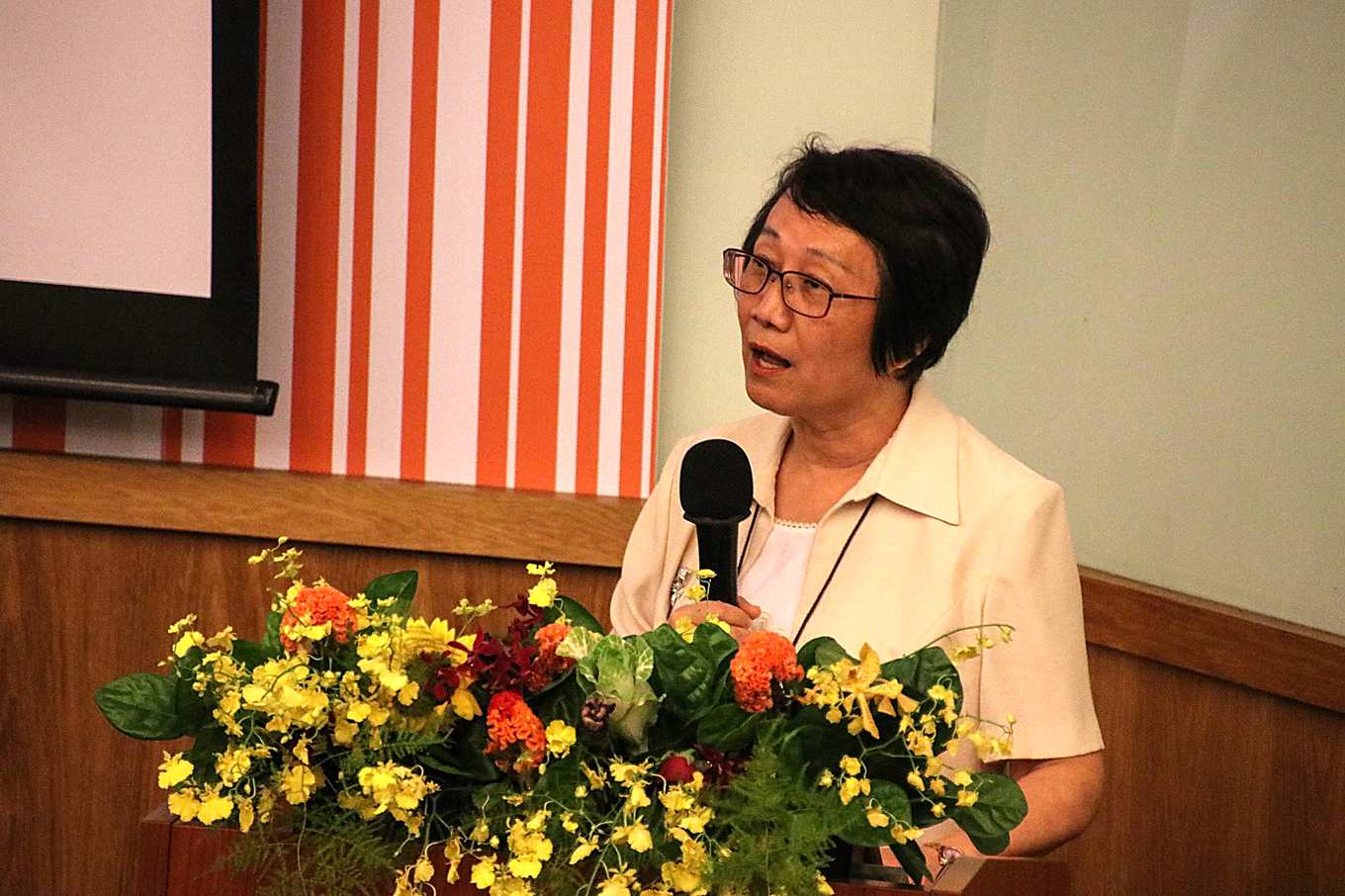
photo credit: qasic Pad Thai Noodle Stir Fry from Fuse Pan Asian Express ($10) via photopin (license)
(This article is sponsored by the Jianzhen Environmental Education Foundation for personnel expenses, but it does not interfere at all with news topic selection or interview writing, ensuring news independence.)