Fukushima Nuclear Disaster Worsens; Citizens Demand Expanded Random Testing of Imported Food, Government Refuses
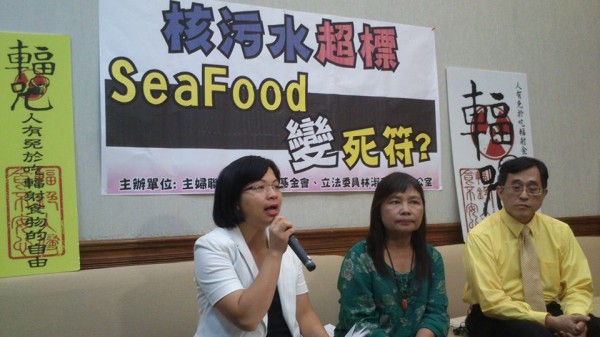
Today, radiation levels at Japan's Fukushima nuclear power plant exceeded standards, and the problem is growing more serious by the day. The South Korean government announced today that, because its citizens are extremely worried about the contaminated water leak at Japan's Fukushima nuclear power plant, it will completely ban the import of aquatic products from Fukushima and 8 surrounding prefectures and cities. The Homemakers United Foundation also held a press conference today, raising three major demands to the government: increase the random inspection rate for radiation levels in imported food; update food radiation test reports daily; and publish the test data and product information for imported food found to contain radiation. But the relevant government agencies do not plan to follow suit.
The Homemakers United Foundation pointed out that on August 31, Tokyo Electric Power Company confirmed that pipes connecting two contaminated water tanks at the Fukushima Daiichi nuclear power plant were leaking at a rate of 1 drop every 90 seconds, with radiation measured at about 230 millisieverts per hour. Further measurement with more precise instruments found that at one storage tank holding cooling water, beta rays measured 1,800 millisieverts per hour; human exposure to radiation at that intensity would be enough to be fatal in just 4 hours.
Earlier, on August 20 of this year, TEPCO confirmed that at least 300 tons of highly concentrated radioactive water had leaked from the Fukushima plant, and the nuclear event rating was raised from the original Level 1 "anomaly alert event" to Level 3 "serious anomaly phenomenon," indicating that the severity of the radioactive water leak had increased. The United Nations International Atomic Energy Agency (IAEA) urged Japan to disclose the truth.
The Homemakers United Foundation said that TEPCO had already discovered the Fukushima radioactive water leak in early July of this year, but delayed making it public for more than a month. The contaminated groundwater had long since polluted soil and ocean with high radiation levels, causing an unimaginable catastrophe for the environment and marine ecology.

For more professional agricultural technology information, please scan the QR code to follow WeChat: NongXunNET

Please indicate the source when reprinting.